Chef Knife Blade Discoloration: Causes and How to Fix It
Quick Answer Chef knife blade discoloration usually comes from moisture, acidic foods, mineral deposits, or a chemical reaction with the…
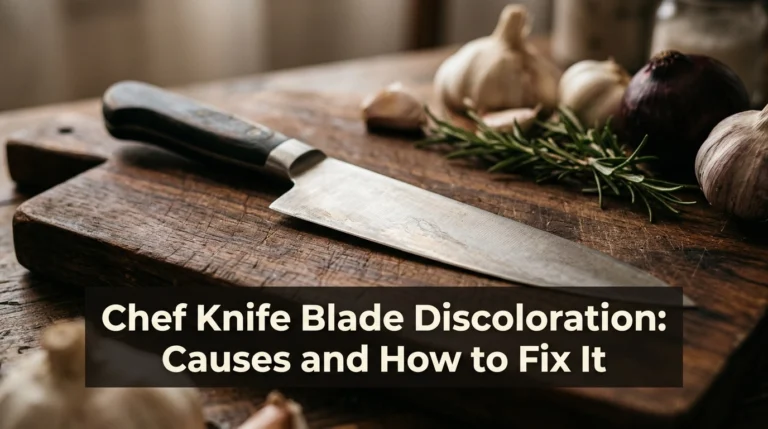
Quick Answer Chef knife blade discoloration usually comes from moisture, acidic foods, mineral deposits, or a chemical reaction with the…
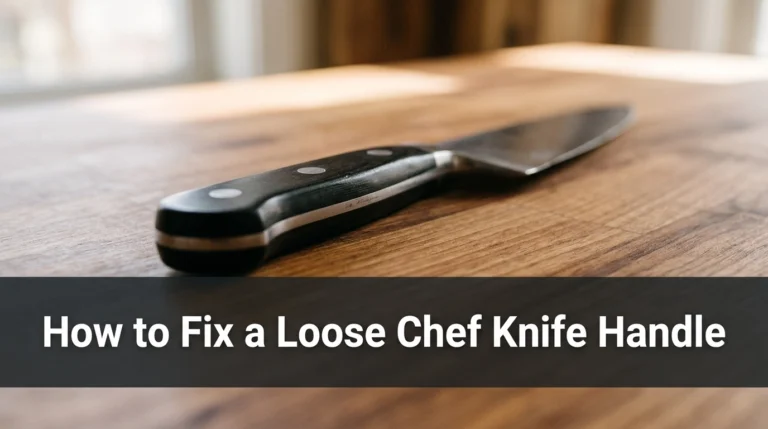
Quick Answer To fix a loose chef knife handle, first stop using the knife and identify whether the handle scales,…
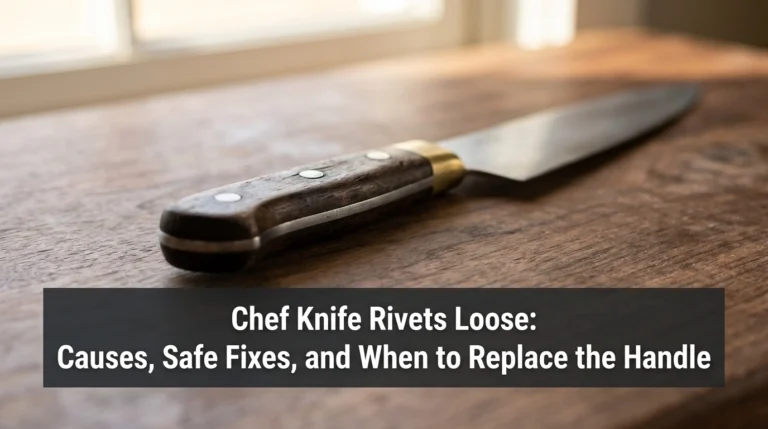
Quick Answer Loose chef knife rivets can result from handle wear, damaged handle scales, corrosion, or a failing attachment between…
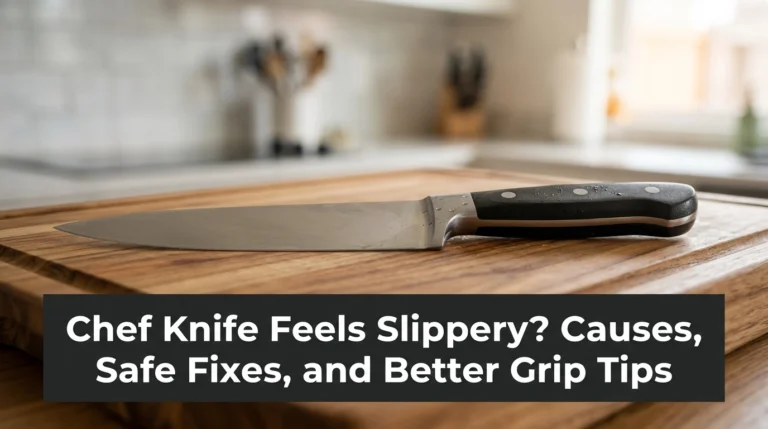
Quick Answer If your chef knife feels slippery, stop cutting immediately and place it safely on the cutting board. Greasy…
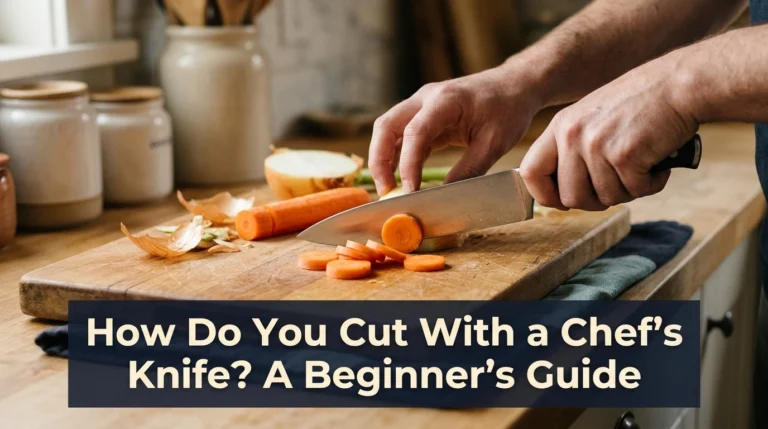
Quick Answer To cut with a chef’s knife, hold the knife securely with a pinch grip, curl the fingers of…
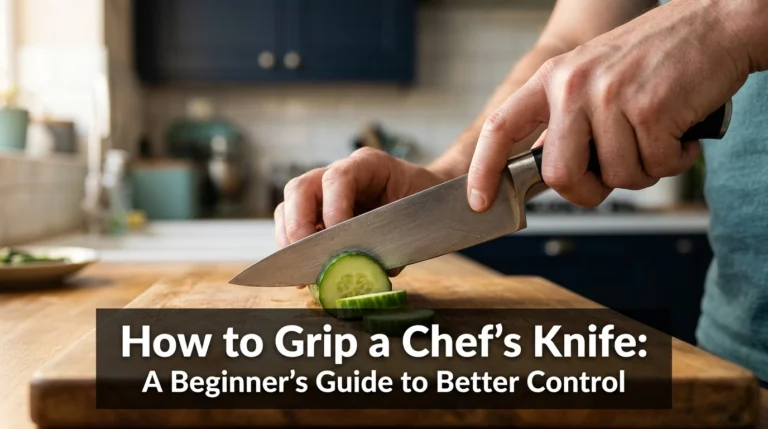
Quick Answer To grip a chef’s knife, place your thumb on one flat side of the blade near the handle…
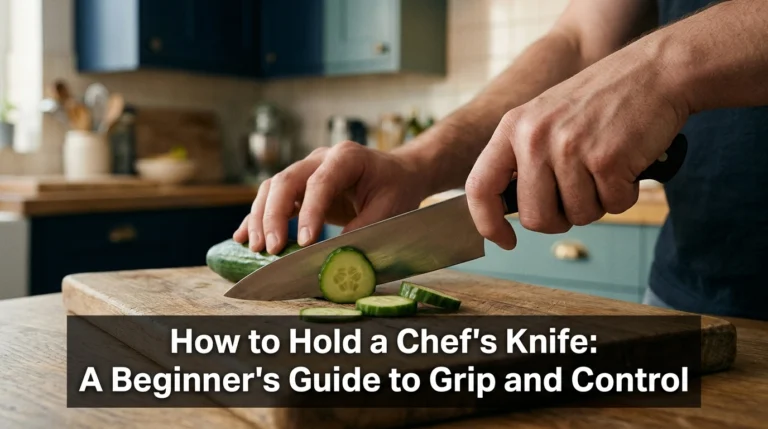
Quick Answer To hold a chef’s knife, use a pinch grip: place your thumb on one side of the blade…
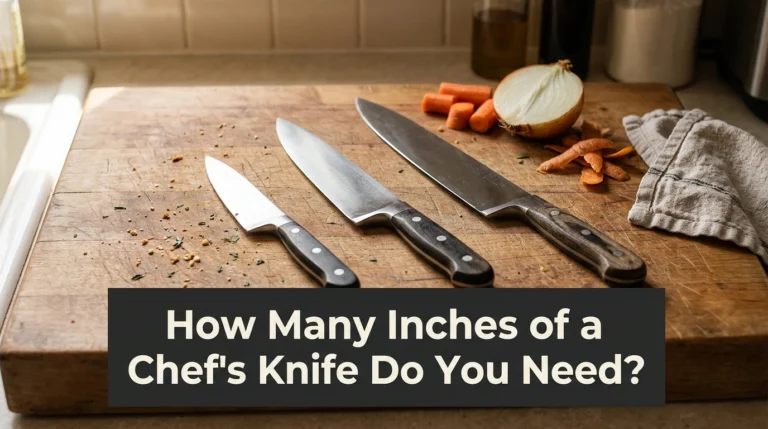
Quick Answer Most standard chef’s knives have a blade measuring 8 inches long, which offers a practical balance of control,…
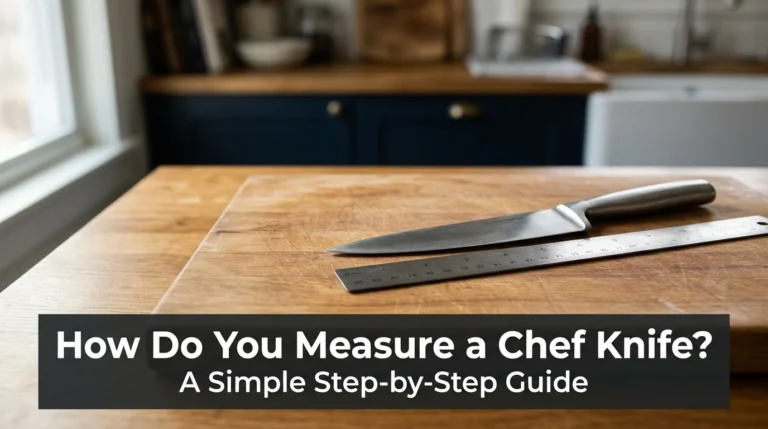
Quick Answer To measure a chef knife, place it on a flat surface and use a ruler or tape measure…
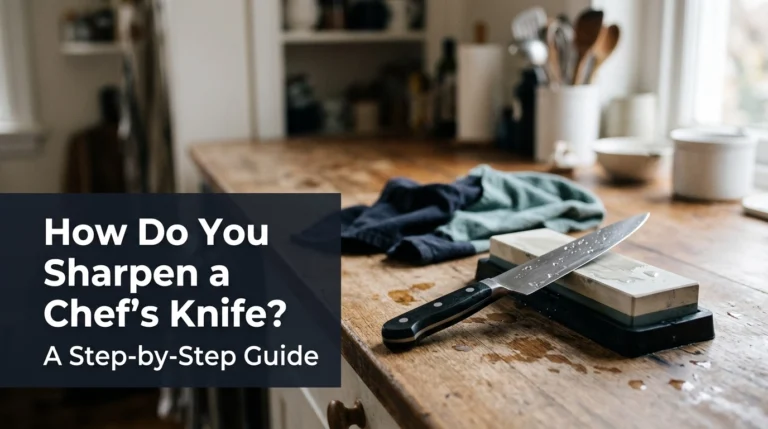
Quick Answer To sharpen a chef’s knife, secure a suitable whetstone on a stable surface, hold the blade at a…
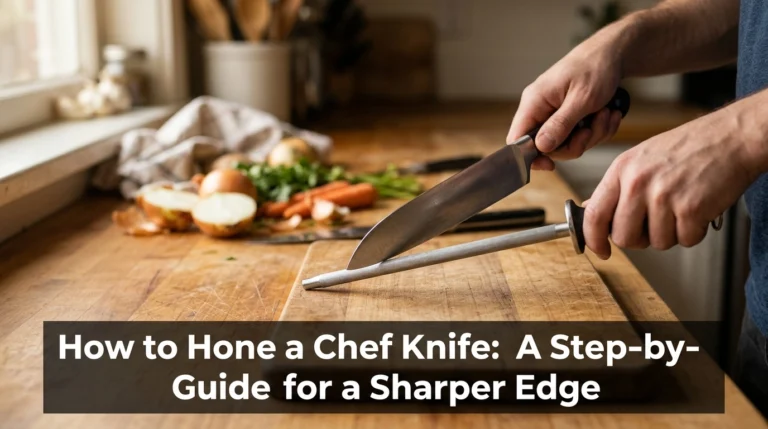
Quick Answer To hone a chef knife, hold a suitable honing rod firmly with its tip resting on a stable,…
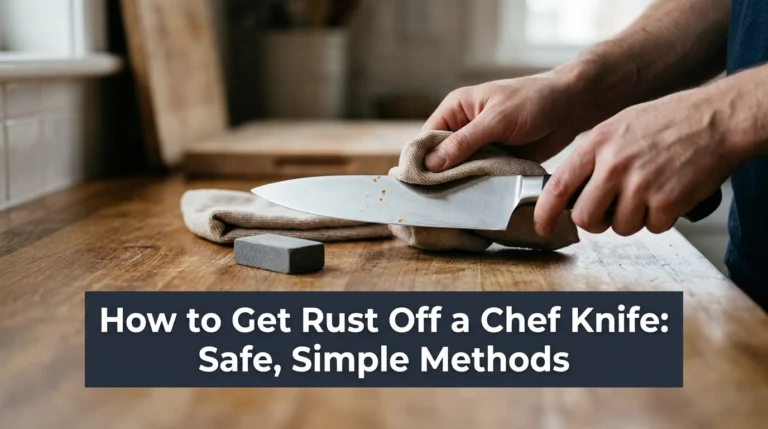
Quick Answer To get rust off a chef knife, wash away food residue, dry the blade, and gently rub light…
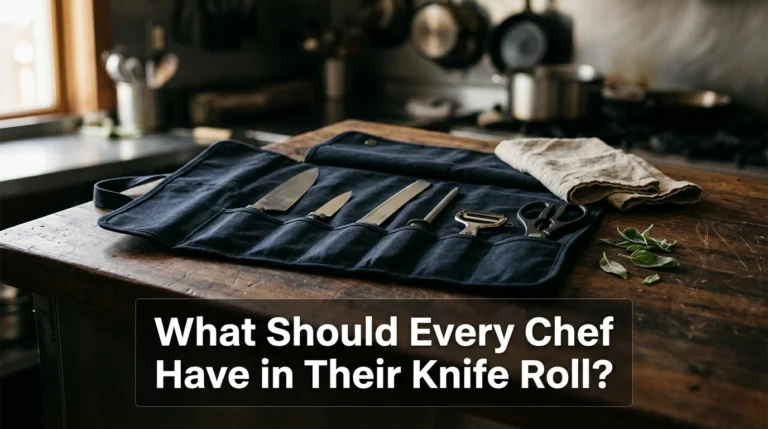
Quick Answer Every chef should build a practical knife roll around a chef’s knife, a paring knife, and a serrated…
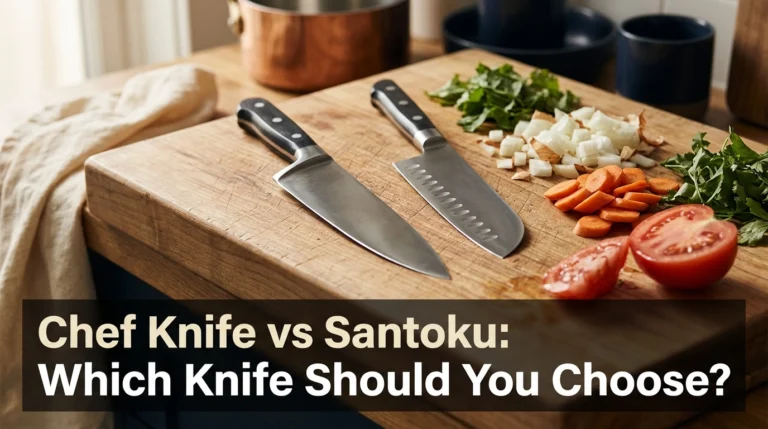
Quick Answer A chef knife is the better all-purpose choice if you prefer rocking cuts, need a pointed tip, and…
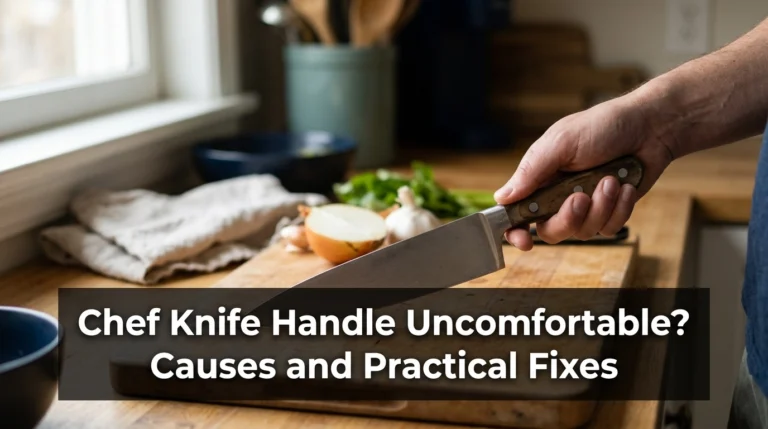
Quick Answer A chef knife handle can feel uncomfortable because it is too thick, too thin, too short, poorly shaped…
