Chef Knife vs Gyuto: Key Differences and Which One Should You Choose?
Quick Answer A gyuto is the Japanese version of a chef’s knife, designed for the same everyday jobs: slicing vegetables,…
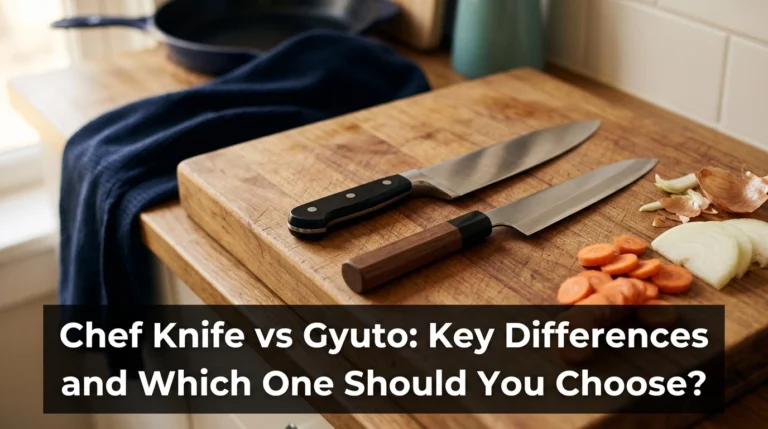
Quick Answer A gyuto is the Japanese version of a chef’s knife, designed for the same everyday jobs: slicing vegetables,…
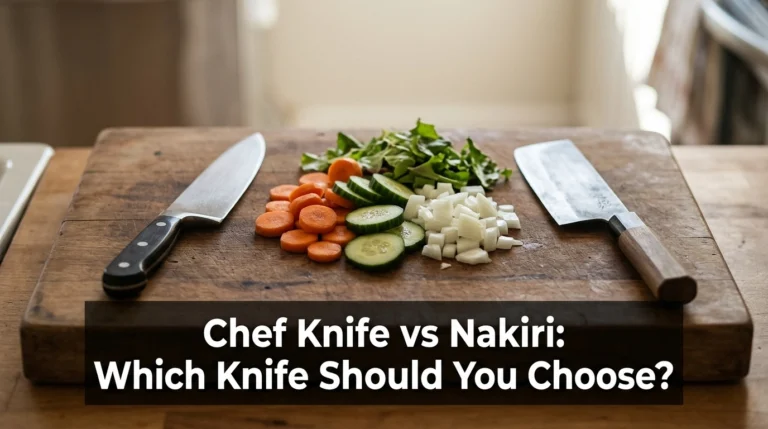
Quick Answer A chef knife is the better all-purpose choice for chopping vegetables, slicing meat, mincing herbs, and handling everyday…
Quick Answer Maintain a stainless steel chef knife by hand-washing it after use, drying it right away, storing it so…
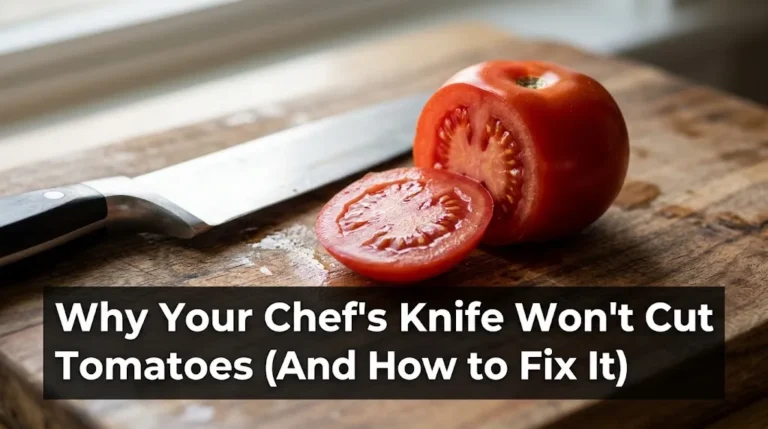
Quick Answer When a chef’s knife struggles to cut tomatoes, it is almost always due to a dull edge that…
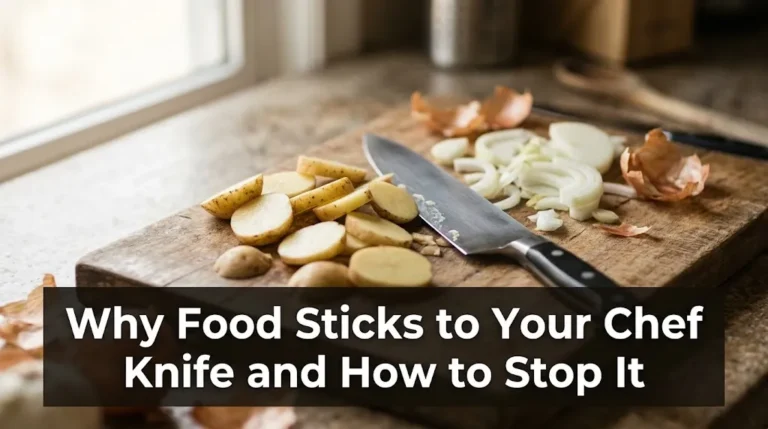
Quick Answer Food sticks to a chef knife mainly because moisture, starch, or fat creates a thin clinging film between…
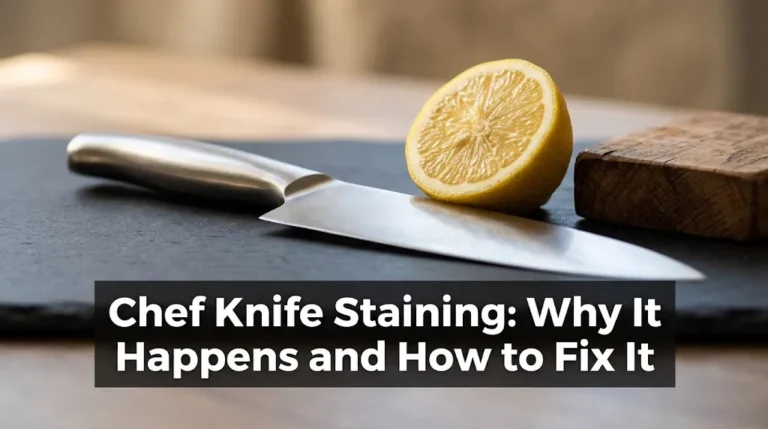
Quick Answer Chef knife staining is usually discoloration left by water, minerals, acids, salt, heat, or food pigments, not proof…
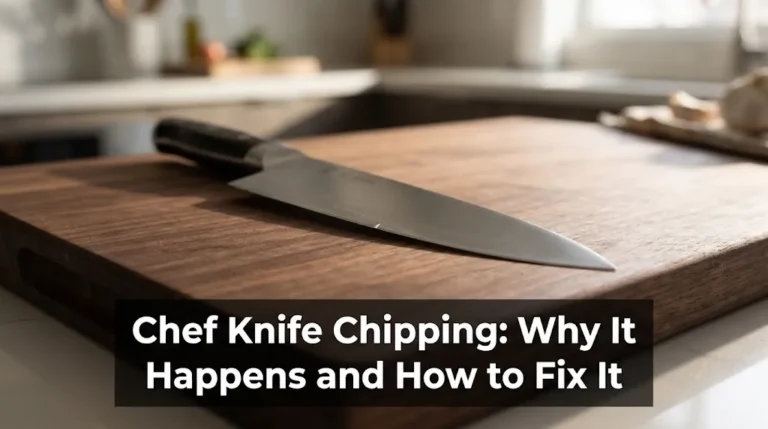
Quick Answer A chef knife usually chips because a thin, hard edge meets something harder than it can absorb, or…
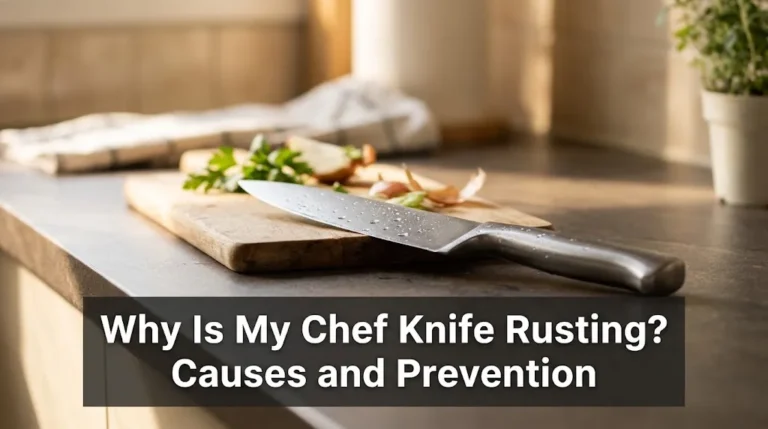
Quick Answer A chef knife rusts when iron in the blade stays in contact with water and oxygen long enough…
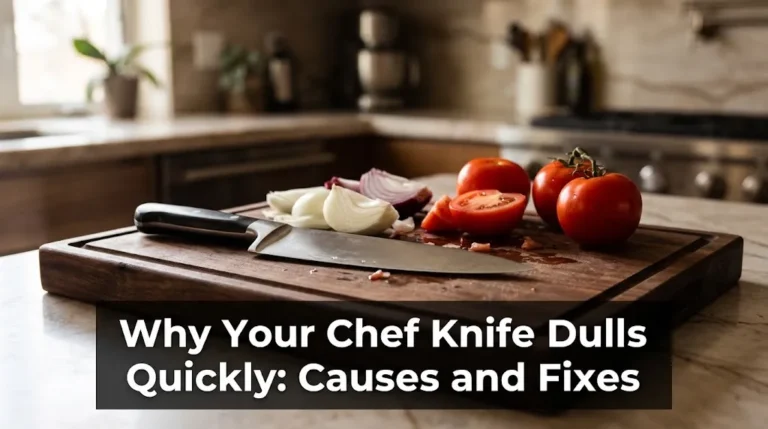
Quick Answer A chef knife usually dulls quickly because of a damaging cutting surface, sideways pressure on the edge, an…
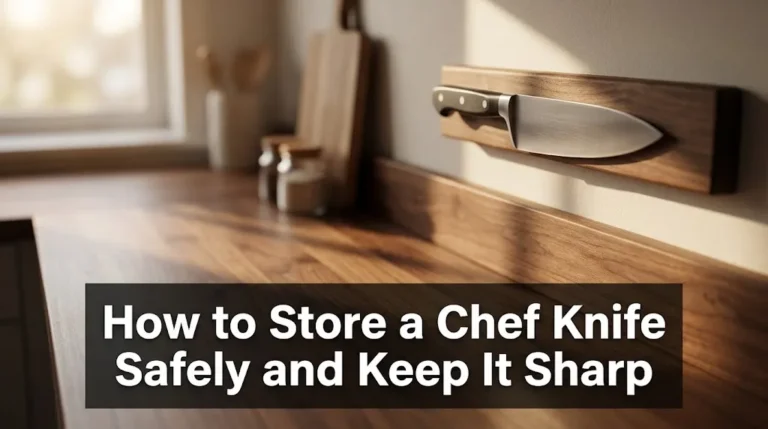
Quick Answer Store a chef knife clean and completely dry, with the edge protected and the blade separated from other…
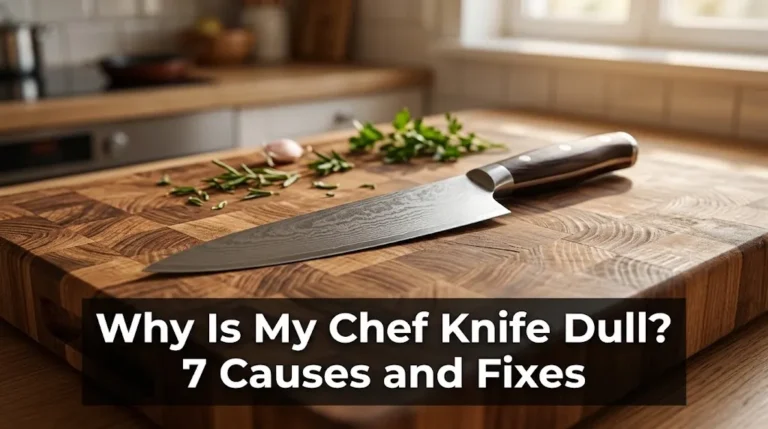
Quick Answer Your chef knife is usually dull because its cutting edge has worn down, rolled over, or become damaged…
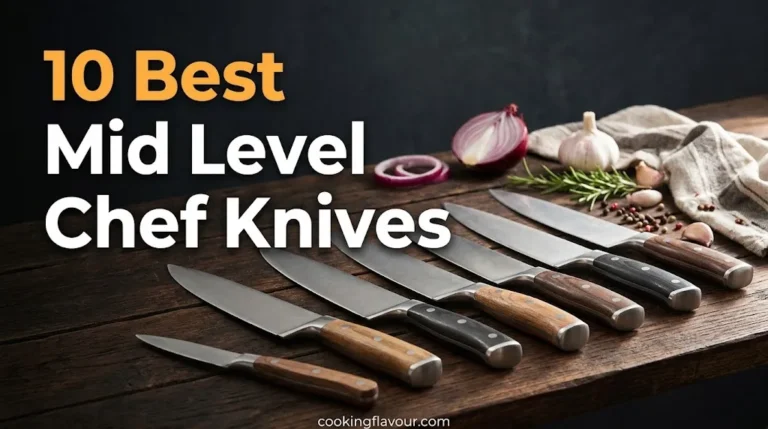
The best mid level chef knife right now is the Wüsthof Classic 8-Inch — it aced every lab test and…
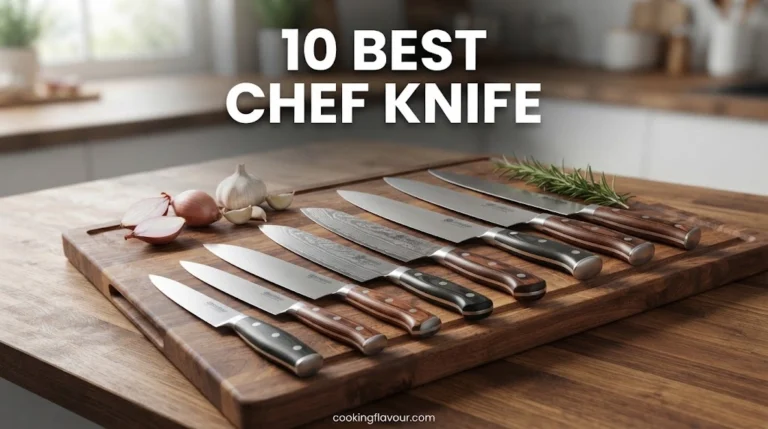
The best chef knife right now is Wüsthof Classic 8-Inch Chef’s Knife — it sliced tomatoes cleanly after 6 weeks…
Quick Answer To clean a chef knife safely and effectively, hand wash it immediately after use with warm water, mild…
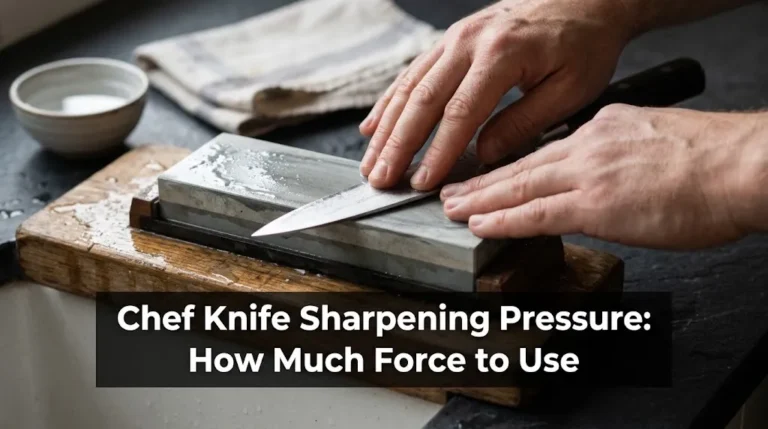
Quick Answer Apply moderate, firm downward pressure—roughly three to five pounds of force—on the forward stroke when sharpening a chef…
