Chef Knife Edge Not Sharp After Sharpening? Here’s How to Fix It
Quick Answer If your chef knife edge is not sharp after sharpening, the most common causes are an inconsistent sharpening…

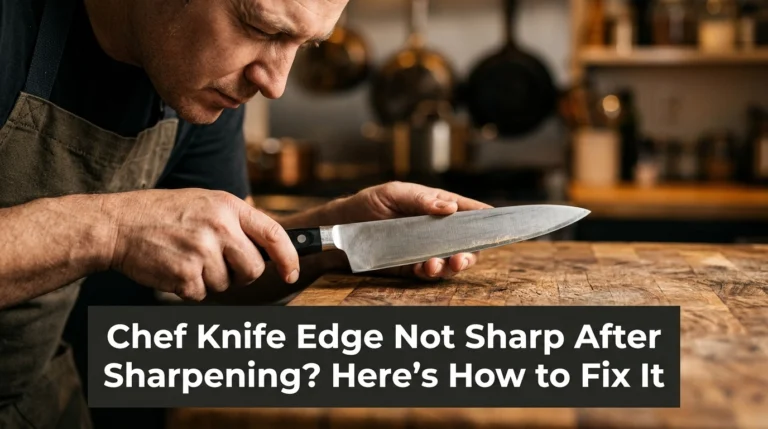
Quick Answer If your chef knife edge is not sharp after sharpening, the most common causes are an inconsistent sharpening…
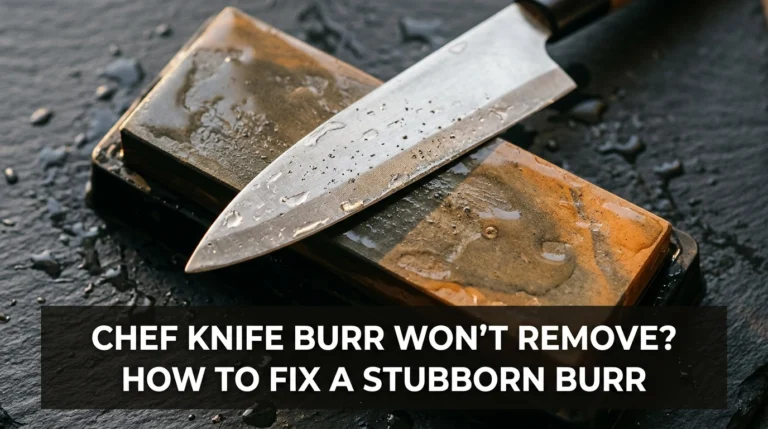
Quick Answer If a chef knife burr won’t remove, stop using heavy pressure and check whether the burr is folding…
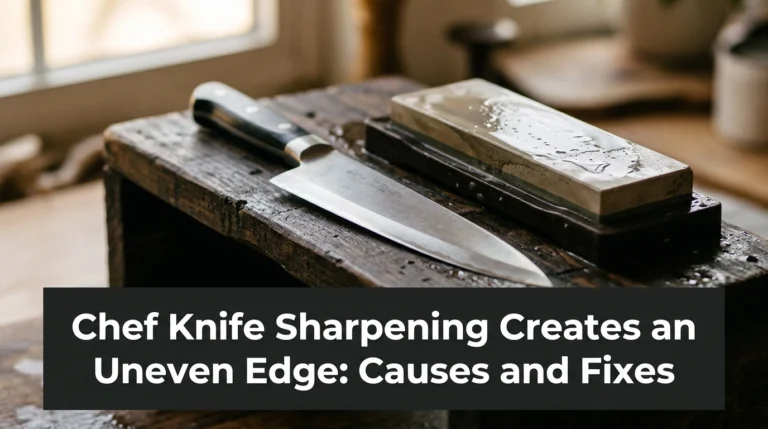
Quick Answer When chef knife sharpening creates an uneven edge, the usual causes are inconsistent sharpening angles, uneven pressure, a…
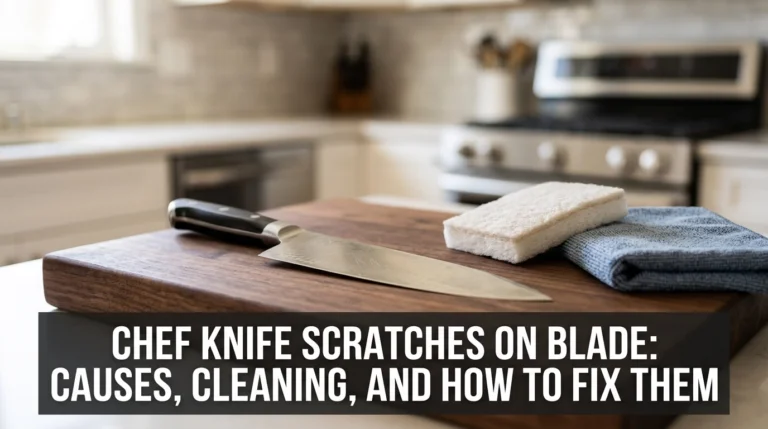
Quick Answer Scratches on a chef knife blade usually come from abrasive cleaning pads, contact with other utensils, hard cutting…
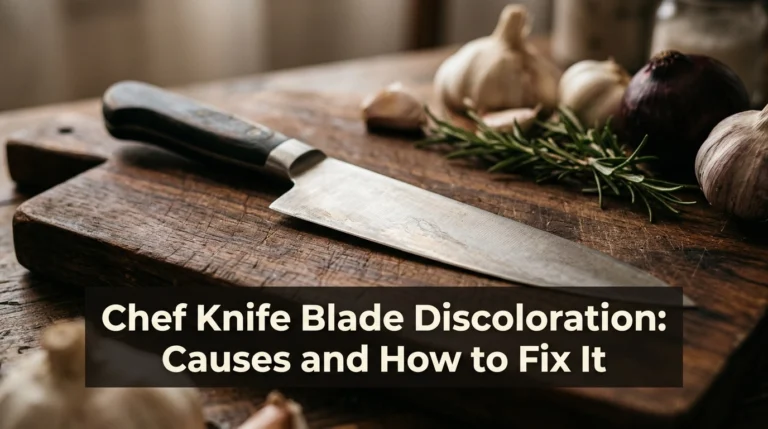
Quick Answer Chef knife blade discoloration usually comes from moisture, acidic foods, mineral deposits, or a chemical reaction with the…
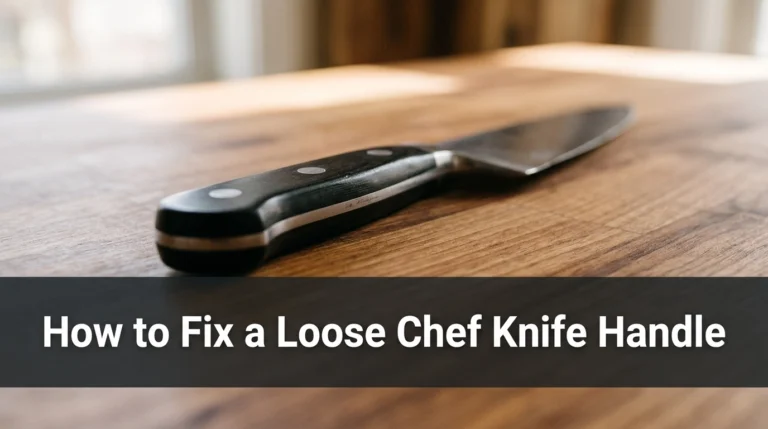
Quick Answer To fix a loose chef knife handle, first stop using the knife and identify whether the handle scales,…
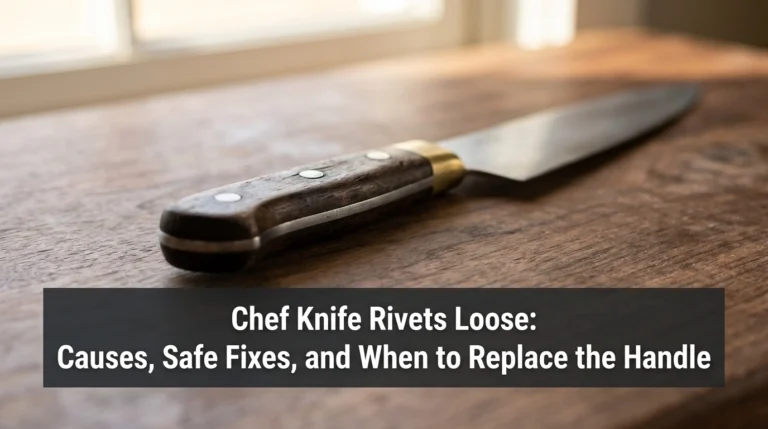
Quick Answer Loose chef knife rivets can result from handle wear, damaged handle scales, corrosion, or a failing attachment between…
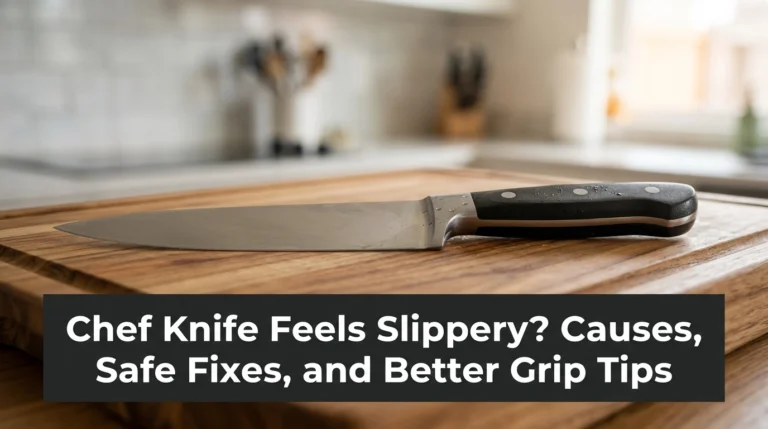
Quick Answer If your chef knife feels slippery, stop cutting immediately and place it safely on the cutting board. Greasy…
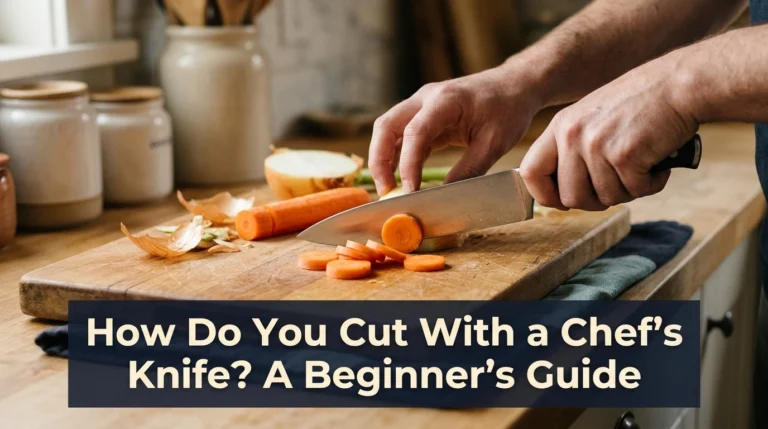
Quick Answer To cut with a chef’s knife, hold the knife securely with a pinch grip, curl the fingers of…
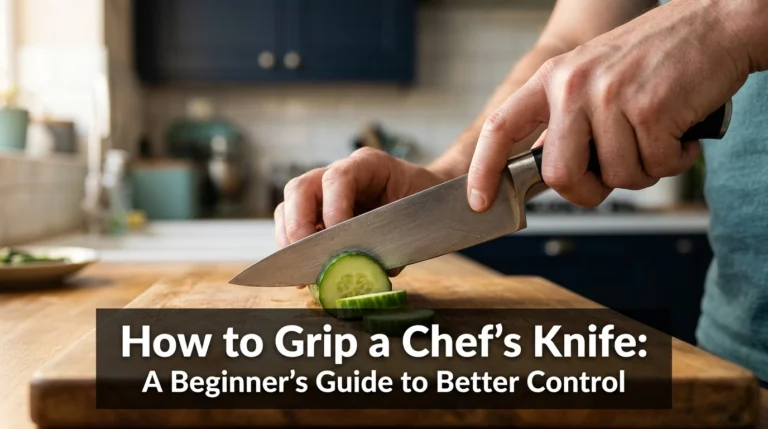
Quick Answer To grip a chef’s knife, place your thumb on one flat side of the blade near the handle…
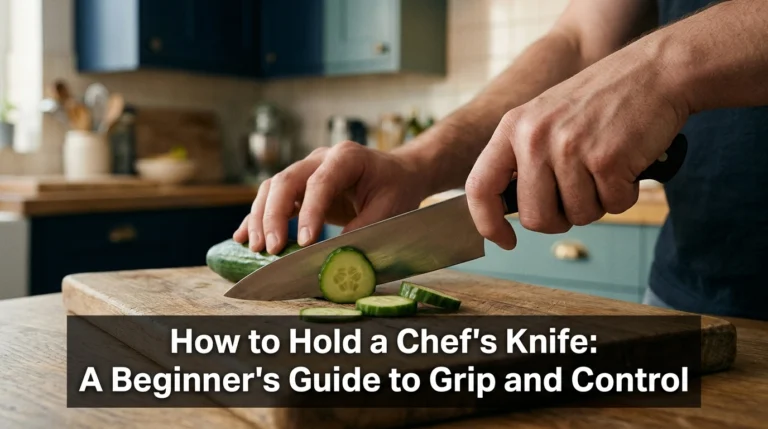
Quick Answer To hold a chef’s knife, use a pinch grip: place your thumb on one side of the blade…
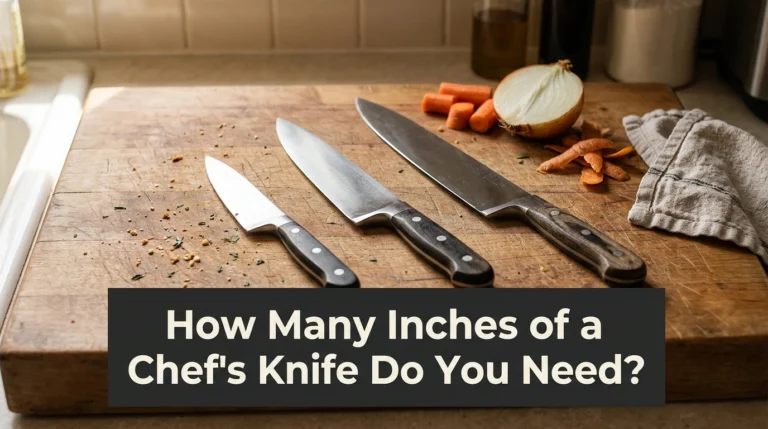
Quick Answer Most standard chef’s knives have a blade measuring 8 inches long, which offers a practical balance of control,…
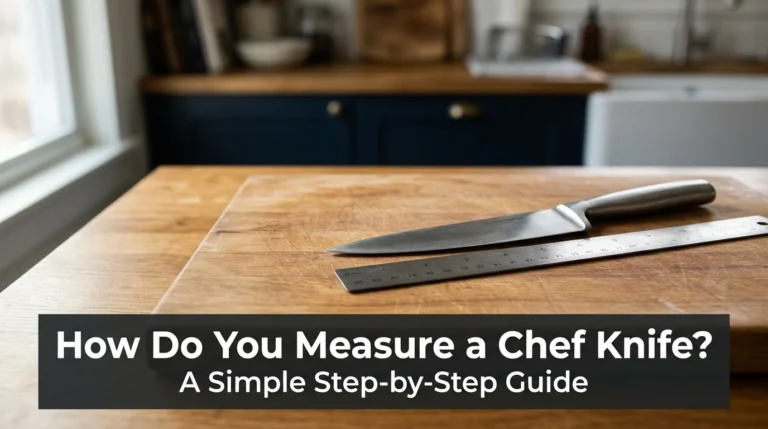
Quick Answer To measure a chef knife, place it on a flat surface and use a ruler or tape measure…
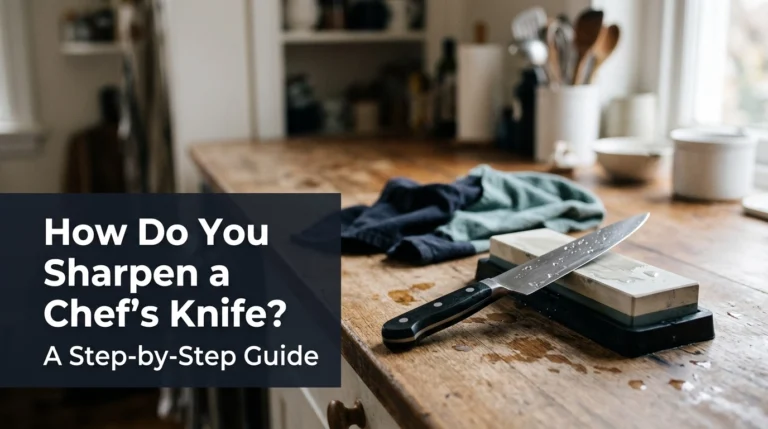
Quick Answer To sharpen a chef’s knife, secure a suitable whetstone on a stable surface, hold the blade at a…
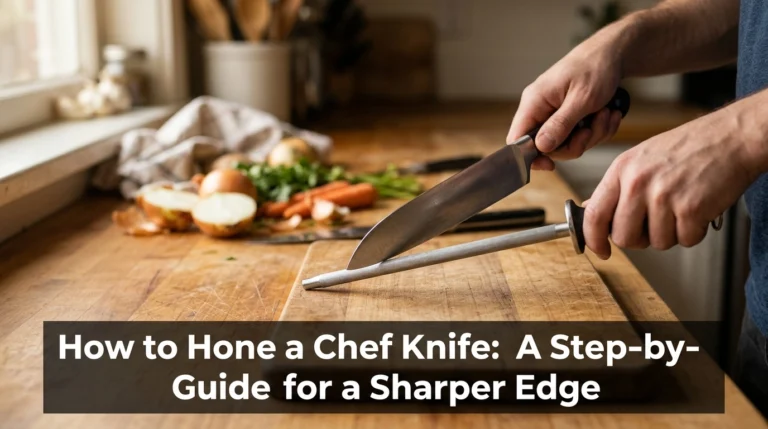
Quick Answer To hone a chef knife, hold a suitable honing rod firmly with its tip resting on a stable,…
