How Many Inches of a Chef Knife Do You Need?
Quick Answer Most standard chef’s knives have a blade measuring 8 inches long, which offers a practical balance of control,…
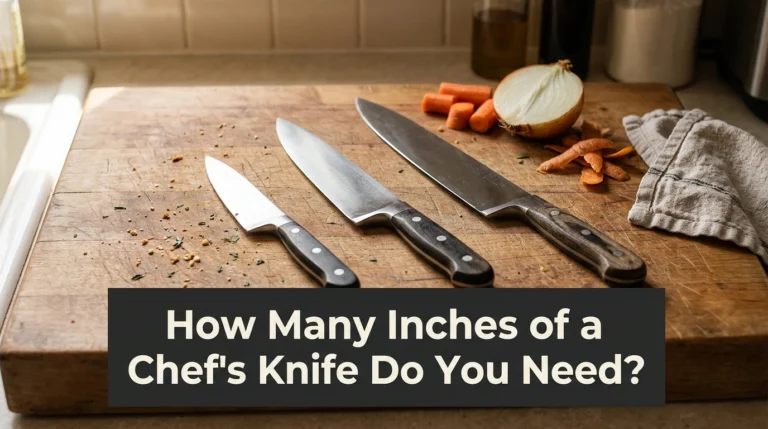
Quick Answer Most standard chef’s knives have a blade measuring 8 inches long, which offers a practical balance of control,…
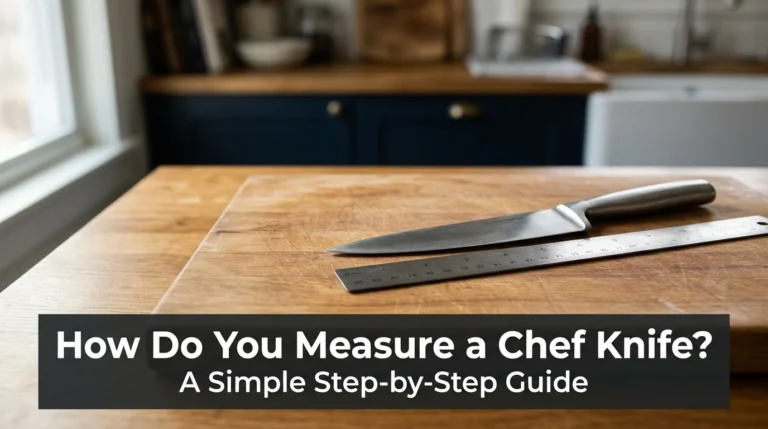
Quick Answer To measure a chef knife, place it on a flat surface and use a ruler or tape measure…
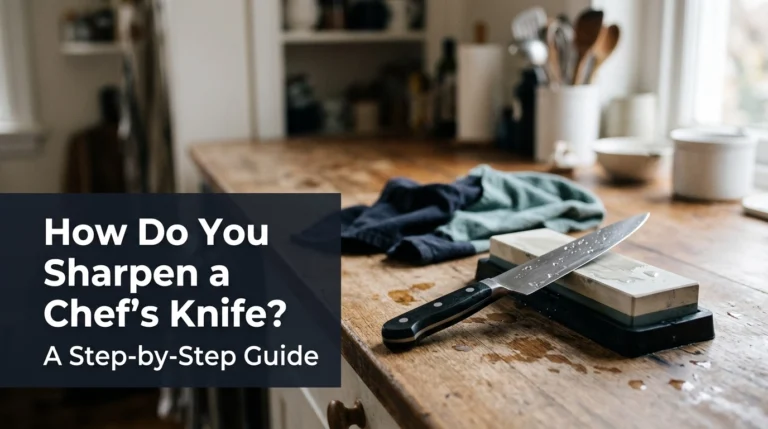
Quick Answer To sharpen a chef’s knife, secure a suitable whetstone on a stable surface, hold the blade at a…
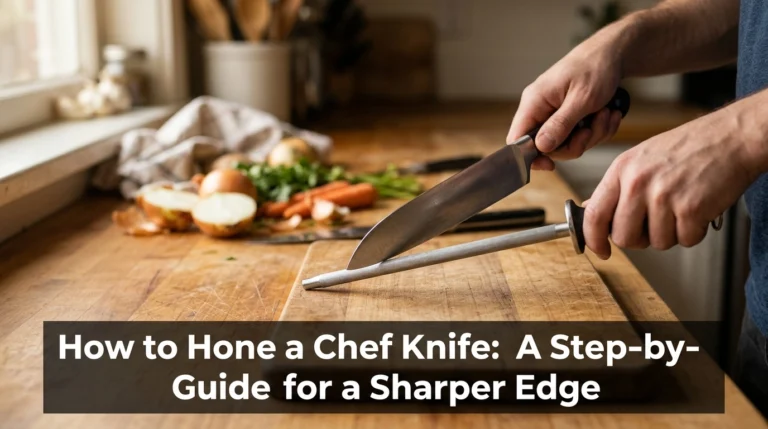
Quick Answer To hone a chef knife, hold a suitable honing rod firmly with its tip resting on a stable,…
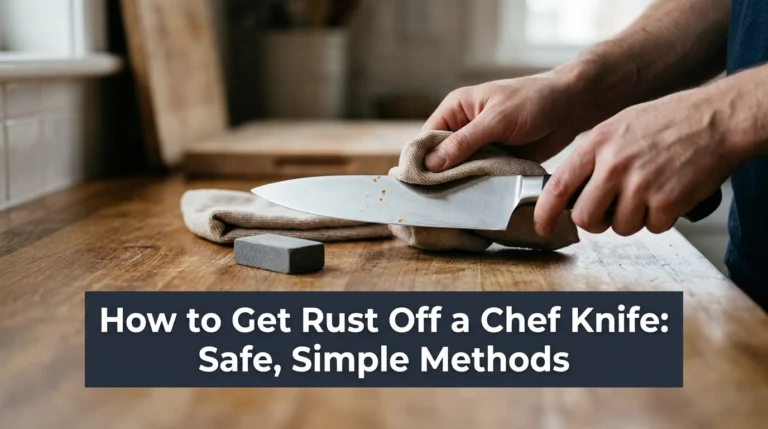
Quick Answer To get rust off a chef knife, wash away food residue, dry the blade, and gently rub light…
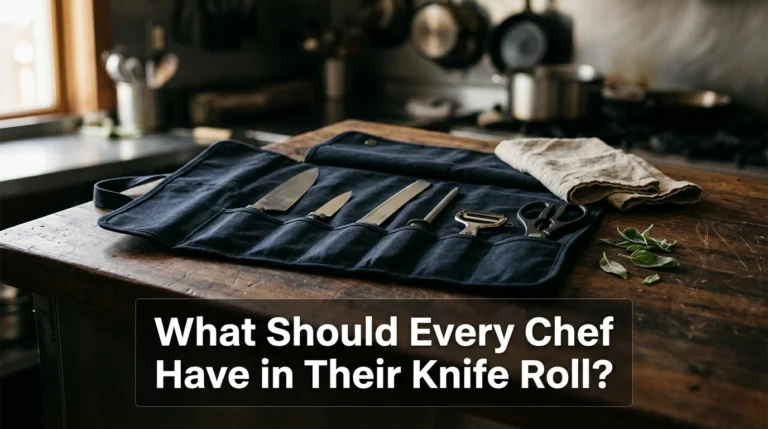
Quick Answer Every chef should build a practical knife roll around a chef’s knife, a paring knife, and a serrated…
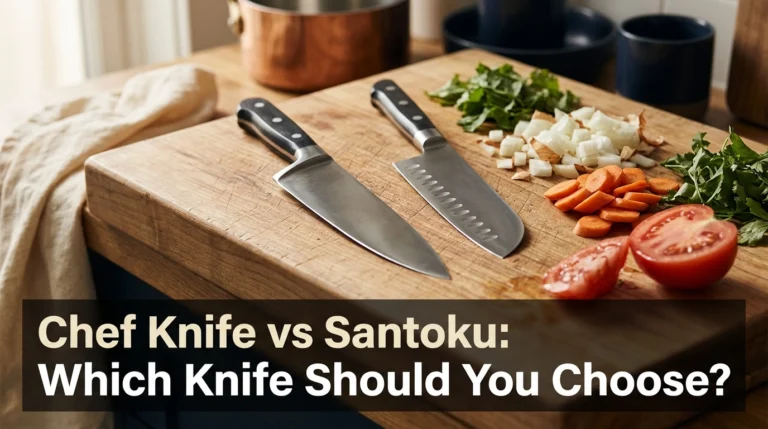
Quick Answer A chef knife is the better all-purpose choice if you prefer rocking cuts, need a pointed tip, and…
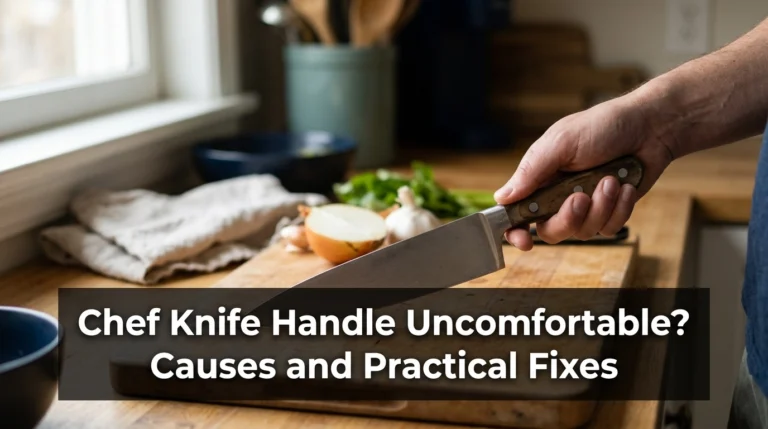
Quick Answer A chef knife handle can feel uncomfortable because it is too thick, too thin, too short, poorly shaped…
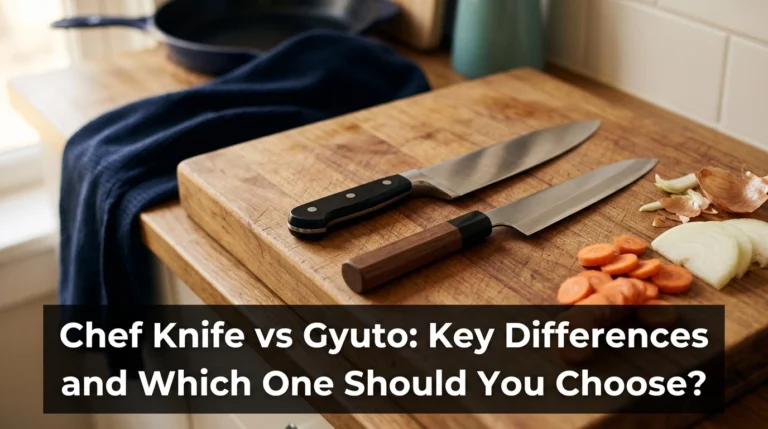
Quick Answer A gyuto is the Japanese version of a chef’s knife, designed for the same everyday jobs: slicing vegetables,…
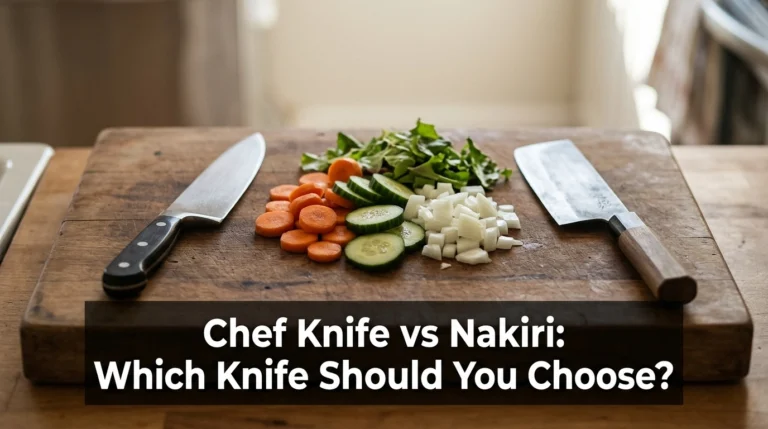
Quick Answer A chef knife is the better all-purpose choice for chopping vegetables, slicing meat, mincing herbs, and handling everyday…
Quick Answer Maintain a stainless steel chef knife by hand-washing it after use, drying it right away, storing it so…
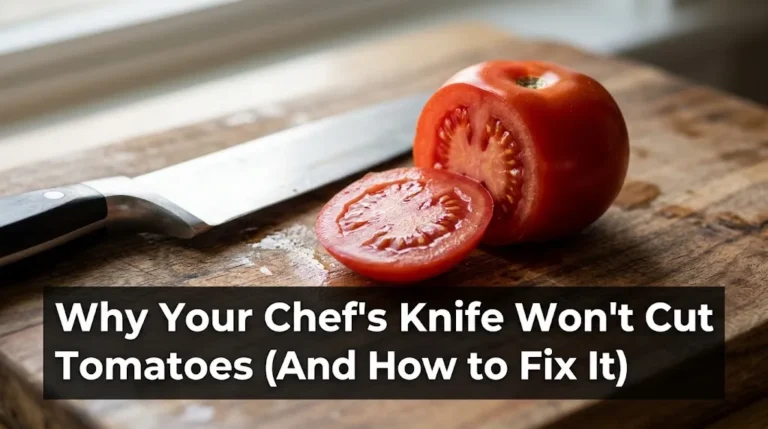
Quick Answer When a chef’s knife struggles to cut tomatoes, it is almost always due to a dull edge that…
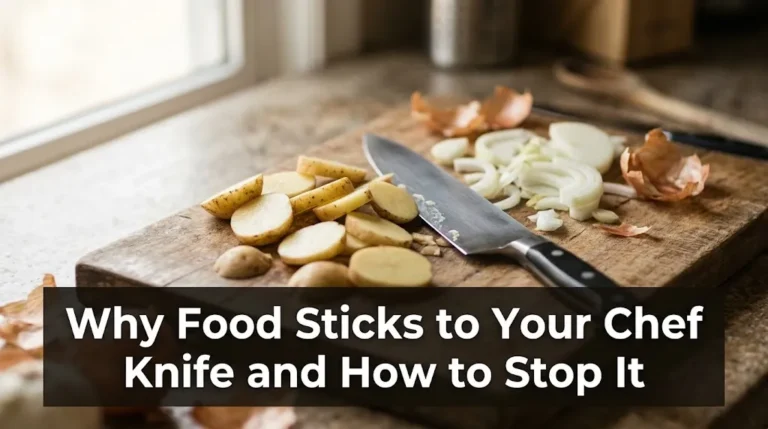
Quick Answer Food sticks to a chef knife mainly because moisture, starch, or fat creates a thin clinging film between…
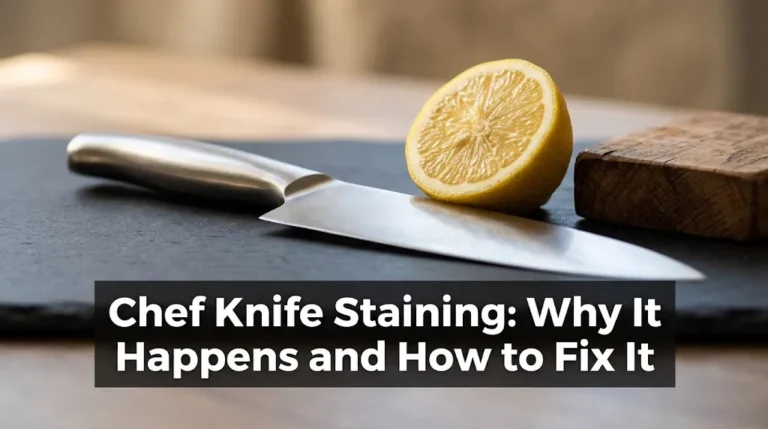
Quick Answer Chef knife staining is usually discoloration left by water, minerals, acids, salt, heat, or food pigments, not proof…
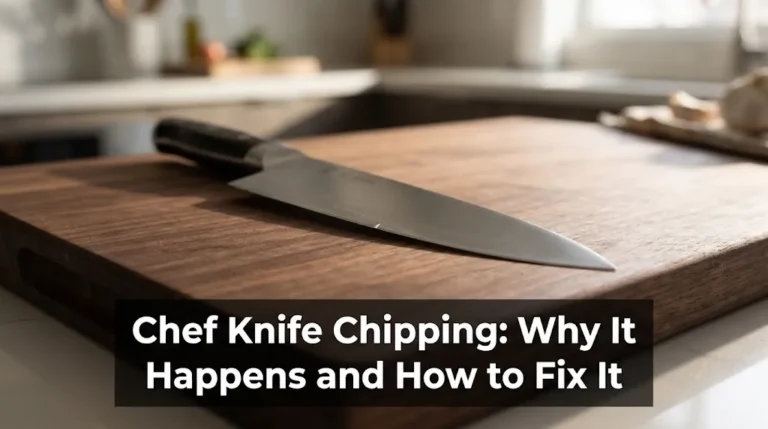
Quick Answer A chef knife usually chips because a thin, hard edge meets something harder than it can absorb, or…
