Chef Knife Micro Bevel Explained: Pros, Cons & Edge Geometry
Quick Answer A chef knife micro bevel is a secondary, highly obtuse microscopic edge applied to the very apex of…
Quick Answer A chef knife micro bevel is a secondary, highly obtuse microscopic edge applied to the very apex of…
Quick Answer A chef knife distal taper is the gradual thinning of the knife blade’s thickness from the handle (the…
Quick Answer Thickness behind the edge (BTE)—typically measured right at the shoulder of the sharpening bevel or 1mm to 5mm…
Quick Answer A chef knife blade profile refers to the overall shape, curvature (belly), and tip geometry of the knife….
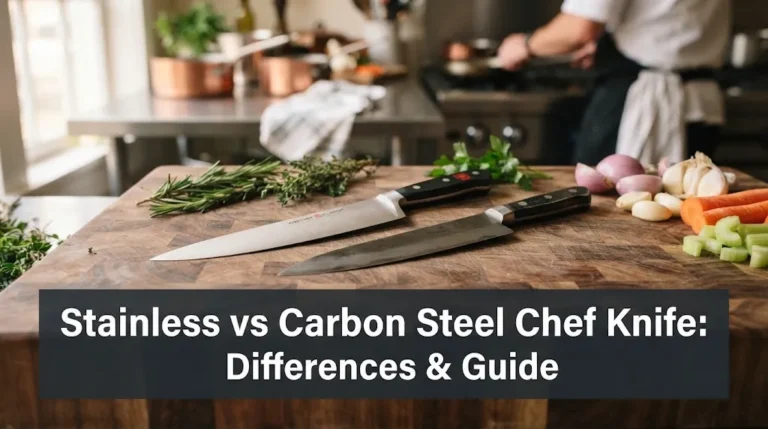
Quick Answer Stainless steel chef knives offer rust resistance, low maintenance, and durability, making them ideal for everyday convenience and…
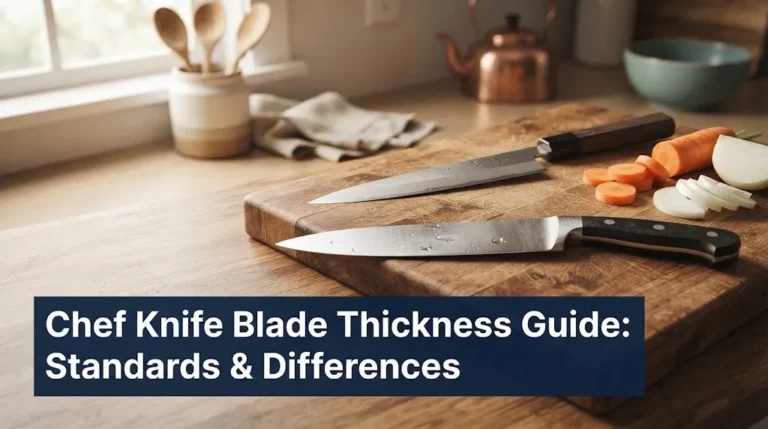
Quick Answer Standard chef knife blade thickness typically ranges from 1.5mm to 4mm at the spine near the handle, tapering…
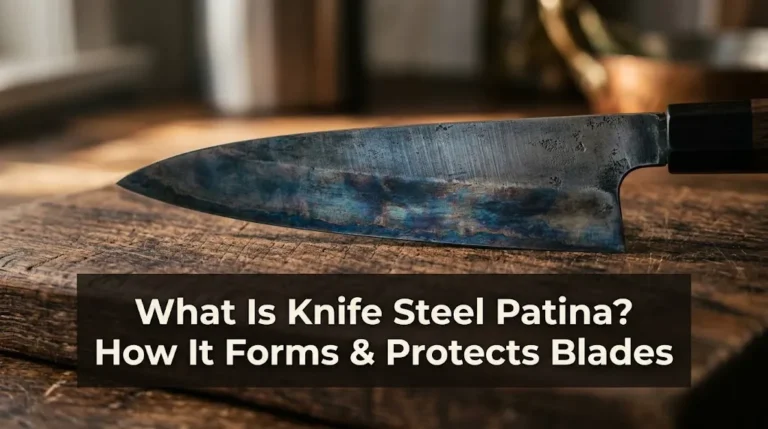
Quick Answer Knife steel patina is a stable, dark oxidation layer that naturally develops on carbon steel blades over time….

Quick Answer Chef knives rust when moisture and oxygen react with the iron content in the blade, creating iron oxide….
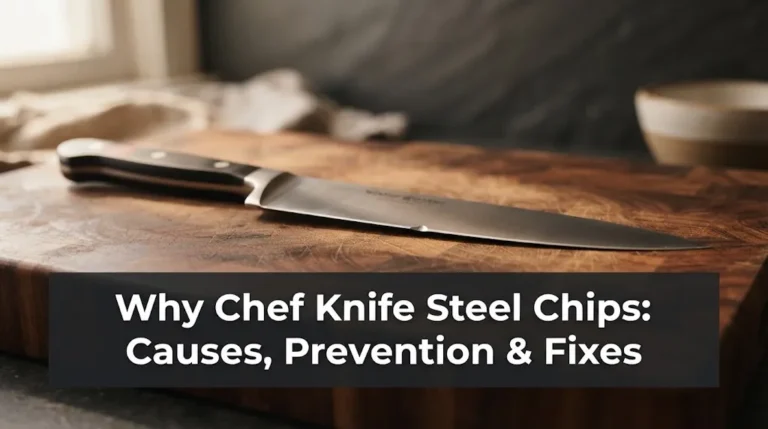
Quick Answer Chef knife steel chips because hard or sudden lateral forces exceed the structural limits of the fine apex….
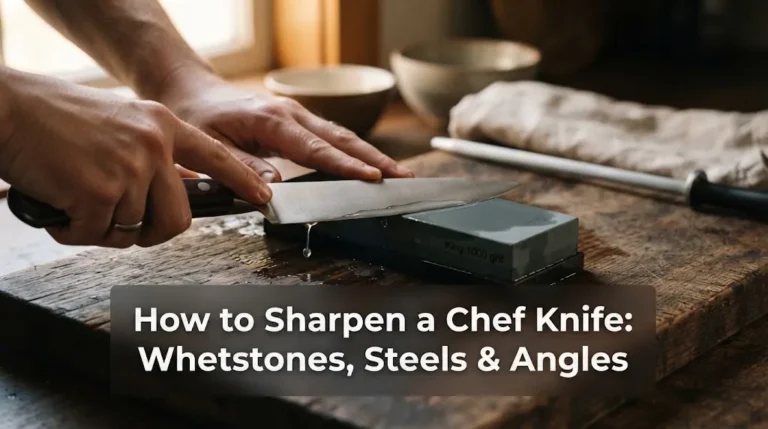
A chef knife is only as good as the steel holding its edge. Different blade alloys react differently to abrasives,…
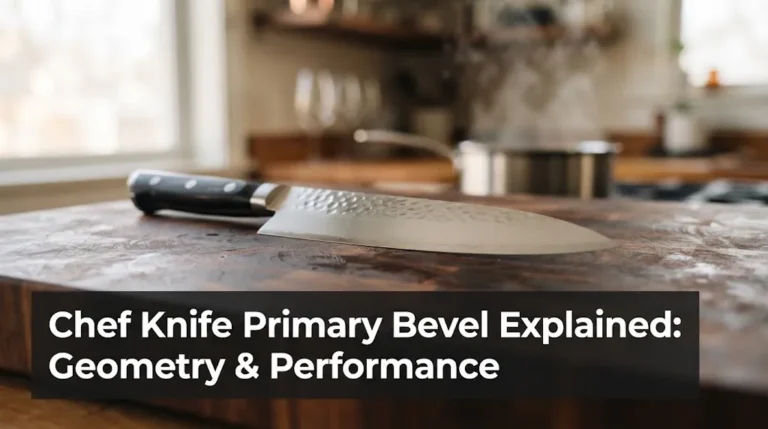
When examining a kitchen knife profile, the blade is composed of several distinct geometric zones. The primary bevel is the…
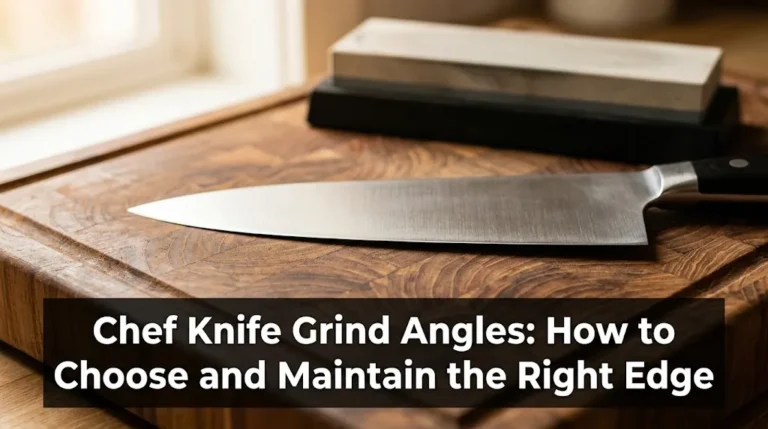
Quick Answer For most Western chef knives, a sharpening angle between 17 and 20 degrees per side provides a strong…
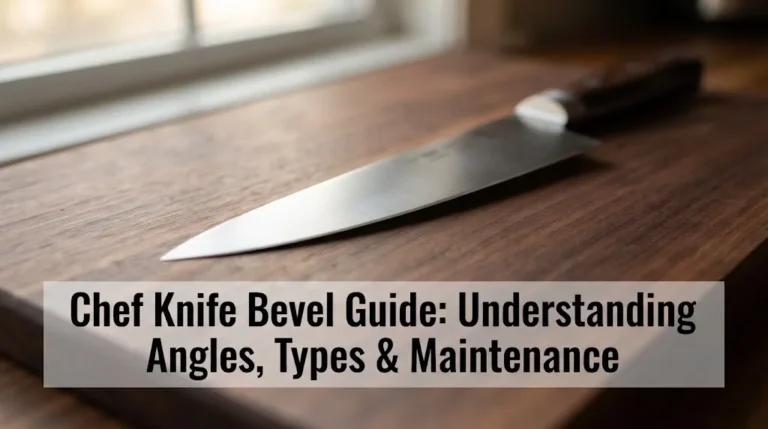
When you look closely at a kitchen knife, the edge is not just a flat sheet of steel tapering into…
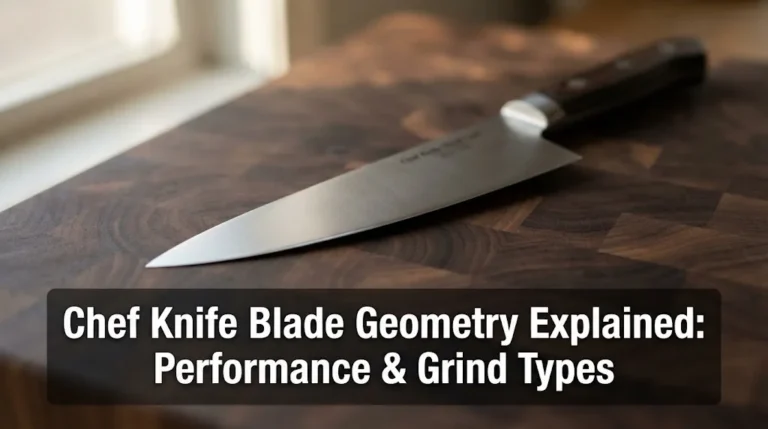
Quick Answer Chef knife blade geometry refers to the cross-sectional shape, taper, and edge grinding style of the blade. It…
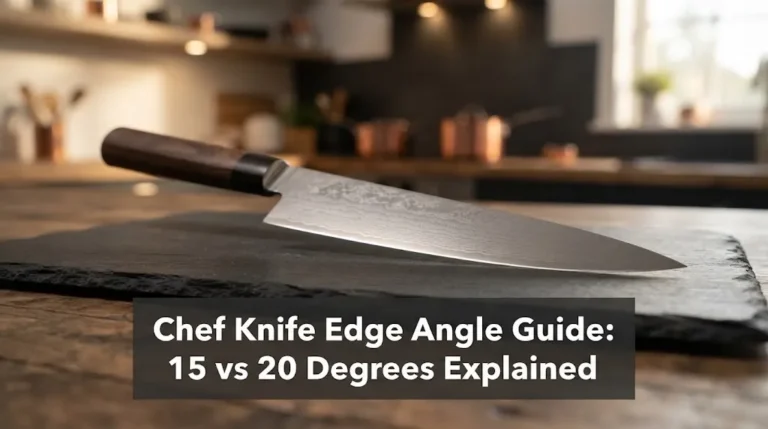
Quick Answer Most Western chef knives feature an edge angle of 20 degrees per side, prioritizing durability and chip resistance….
