
Does Cutting Board Oil Expire? Shelf Life, Storage, and Signs of Spoilage
Quick Answer
Cutting board oil can expire, depending on its ingredients, storage conditions, and manufacturer’s recommendations. Pure food-grade mineral oil, such as Howard Cutting Board Oil, does not become rancid like ordinary vegetable oils, but contamination and improper storage can make it unsuitable for use.
What you should know about cutting board oil expiration:
- Mineral oil: Chemically stable and resistant to rancidity.
- Plant-based oils: May oxidize and develop unpleasant odors over time.
- Oil and wax blends: Shelf life depends on the complete formula.
- Spoilage signs: Unusual smells, discoloration, contamination, or unexpected texture changes.
- Proper storage: Keep the bottle tightly closed in a cool, dry, dark location.
- Expiration dates: Always follow the instructions printed on the original packaging.
Before using an old bottle:
- Inspect its appearance, smell, packaging, and expiration date before applying it to any food-contact surface.
Finding an old bottle of cutting board oil in your kitchen cabinet can leave you wondering whether it’s still safe to use. The answer depends more on the ingredients and storage history than the bottle’s age alone.
In this guide, I’ll explain how different cutting board oils age, what warning signs to look for, and when replacing an old bottle makes sense.
What Is Cutting Board Oil?
Cutting board oil is a conditioning product designed to protect suitable wooden and bamboo cutting surfaces from excessive drying and moisture absorption.
Unlike ordinary cooking oil, a dedicated cutting board oil should be formulated for food-contact surfaces. It penetrates exposed wood fibers and helps maintain the board’s natural appearance.
Common cutting board oil ingredients include:
- Food-grade mineral oil
- Beeswax
- Carnauba wax
- Fractionated coconut oil
- Specially formulated plant-based conditioning oils
- Antioxidants in certain commercial formulations
Understanding the ingredients is important because different formulations have different storage requirements and expiration characteristics.
Does Cutting Board Oil Actually Go Bad?
Yes, some cutting board oils can deteriorate over time. However, pure mineral oil behaves differently from oils made from vegetable fats.
Mineral oil consists primarily of refined hydrocarbons, while many plant-based oils contain fats that react with oxygen. This reaction can produce unpleasant smells and other changes associated with rancidity.
Cutting board oil may become unsuitable for use because of:
- Oxidation of plant-based ingredients.
- Contamination from food particles or dirty applicators.
- Water entering the storage container.
- Prolonged exposure to excessive heat.
- Damage to the bottle or protective seal.
- Storage beyond the manufacturer’s recommended shelf life.
Even chemically stable oil should not be considered usable forever under every storage condition.
How Long Does Cutting Board Oil Last?
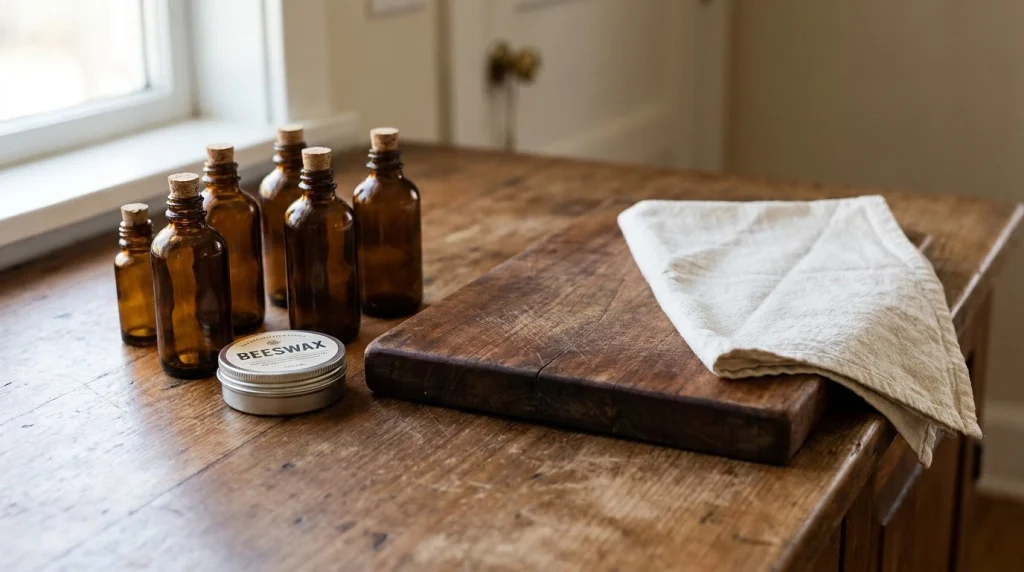
The shelf life of cutting board oil depends on its formulation, packaging, and storage conditions. Pure food-grade mineral oil generally offers better long-term stability than ordinary vegetable oils.
The following comparison explains how common cutting board conditioning products differ.
| Oil Type | Shelf Stability | Rancidity Risk | Board Suitability |
|---|---|---|---|
| Food-grade mineral oil | Long-term stability | Does not become rancid like edible fats | Recommended for suitable wooden boards |
| Mineral oil and beeswax blend | Formula-dependent | Generally low | Suitable when food-contact labeled |
| Fractionated coconut oil | Product-dependent | Relatively low | Suitable when specifically formulated for boards |
| Plant-based board oil | Varies by ingredients | Variable | Follow manufacturer instructions |
| Olive oil | Limited by oxidation | Present | Not recommended |
| Ordinary vegetable oil | Limited by oxidation | Present | Not recommended |
These comparisons describe general chemical stability rather than guaranteed expiration periods. Always use the shelf-life information provided for your specific product.
Does Food-Grade Mineral Oil Expire?
Pure food-grade mineral oil does not become rancid in the same way as olive, sunflower, or other conventional cooking oils. Its chemical composition makes it a stable choice for wooden cutting board maintenance.
Nevertheless, manufacturers may assign expiration dates based on packaging, product quality, storage requirements, or other formulation-specific considerations.
Mineral oil offers several practical advantages:
- Excellent resistance to rancidity.
- Minimal natural odor.
- Easy application to unfinished wooden surfaces.
- Good long-term storage characteristics.
- Compatibility with many food-contact wood conditioners.
- No curing period through chemical hardening.
The federal regulations for white mineral oil establish specifications and conditions for permitted food uses. Choose products specifically labeled for your intended food-contact application.
I recommend keeping a dedicated bottle of food-grade mineral oil rather than using whatever cooking oil happens to be available.
How Can You Tell If Cutting Board Oil Has Gone Bad?
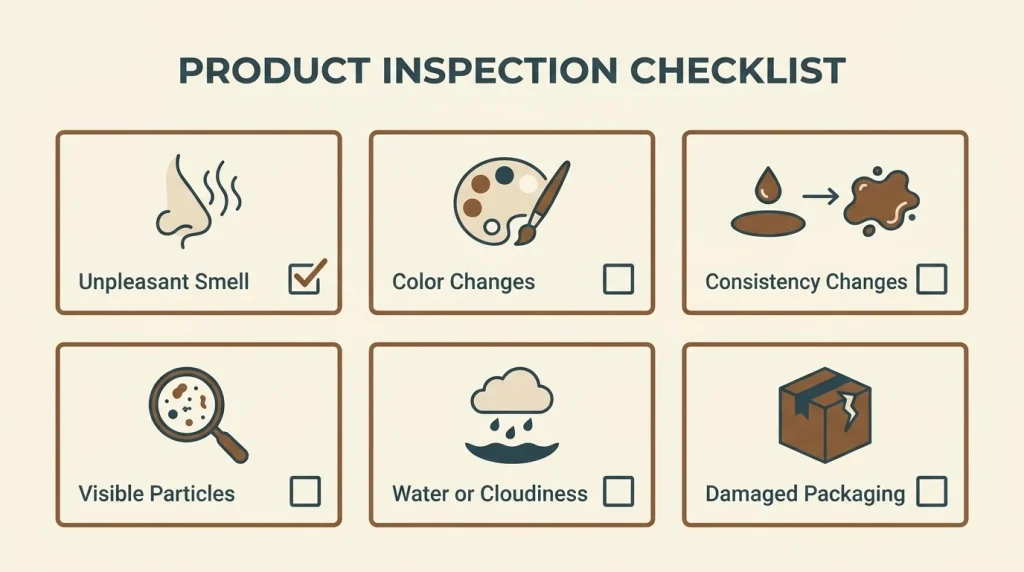
Unpleasant odors, unexplained discoloration, visible contamination, and unexpected consistency changes are reasons to stop using cutting board oil.
Not every change indicates rancidity. However, significant unexplained differences from the product’s original condition deserve attention.
1. Unpleasant or Rancid Smell
A sour, stale, paint-like, or otherwise unusual smell may indicate deterioration in oils containing plant-based ingredients.
Pure mineral oil is normally nearly odorless. A strong unexpected odor may suggest contamination or another product-quality issue.
2. Unusual Color Changes
Fresh pure mineral oil generally has a clear appearance. Unexpected darkening or discoloration may indicate contamination or changes in other ingredients.
Some commercial conditioning blends naturally have a yellow or amber appearance. Compare the oil with the manufacturer’s description rather than judging color alone.
3. Changes in Consistency
Unexpected thickening, gumminess, or sticky deposits can indicate deterioration in certain oils. This is particularly relevant for products containing oxidizable plant oils.
Wax-based conditioners naturally have a thicker texture. They may also become firmer in cold storage without necessarily becoming spoiled.
4. Visible Particles or Foreign Material
Food crumbs, dirt, wood dust, and other foreign material can contaminate a previously clean bottle.
Do not attempt to filter contaminated oil and reuse it on a cutting board. Replacing the product is the more practical choice.
5. Water or Unexpected Cloudiness
Water droplets inside the bottle may indicate improper handling or storage. Unexplained cloudiness also deserves investigation, particularly in a normally clear mineral oil.
Keep moisture away from your cutting board maintenance supplies to reduce contamination risks.
6. Damaged or Leaking Packaging
A broken seal, cracked bottle, or loose cap can compromise the product’s protection against outside contaminants.
If you cannot establish how long the container has remained damaged, replacing the oil is sensible.
Can You Use Expired Cutting Board Oil?
Using cutting board oil beyond its labeled expiration date is not recommended unless the manufacturer confirms that the product remains suitable.
An expired date does not automatically mean pure mineral oil has become rancid. However, appearance and smell alone cannot establish that an old product meets its original quality specifications.
Before deciding whether to keep an old bottle, check the following:
- Identify the exact ingredients.
- Read the expiration or best-before information.
- Check the condition of the original container.
- Review how the oil has been stored.
- Look for unusual odors or visible contamination.
- Contact the manufacturer if the instructions are unclear.
Consider a bottle of pure mineral oil that has remained sealed in a dark cabinet. It presents a different storage situation from an open bottle repeatedly exposed to kitchen debris.
When the storage history is uncertain, I would replace the product instead of applying it to a food preparation surface.
What Happens If You Use Rancid Oil on a Cutting Board?
Rancid oil can leave unpleasant odors, sticky residues, or undesirable flavors on a wooden cutting board. These problems may become difficult to remove once oil penetrates the wood fibers.
Common consequences include:
- Persistent stale or sour odors.
- An unpleasant surface texture.
- Possible transfer of unwanted odors or flavors to food.
- Uneven appearance or discoloration.
- Additional cleaning and restoration work.
Rancidity does not necessarily mean that harmful microorganisms are present. However, deteriorated or contaminated products should not be used for routine food-contact surface maintenance.
If a board remains unpleasant after cleaning, contact its manufacturer for suitable restoration instructions.
What Causes Cutting Board Oil to Expire Faster?
Heat, oxygen, sunlight, and contamination can reduce the useful life of certain cutting board oil formulations. Products containing plant-based fats are particularly sensitive to oxidation.
Exposure to Heat
High temperatures can accelerate chemical deterioration in susceptible ingredients. Avoid storing cutting board oil beside your stove, oven, or other heat-producing appliances.
Direct Sunlight
Light exposure can contribute to oxidation in certain oils. A closed cabinet offers better protection than a sunny kitchen windowsill.
Frequent Air Exposure
Oxygen contributes to the oxidation of many plant-derived oils. Leaving the container open unnecessarily increases exposure.
Improper Handling
Returning unused oil to its original bottle or touching the opening with a dirty applicator can introduce foreign material.
Pour only the amount needed for each maintenance session.
How Should You Store Cutting Board Oil?
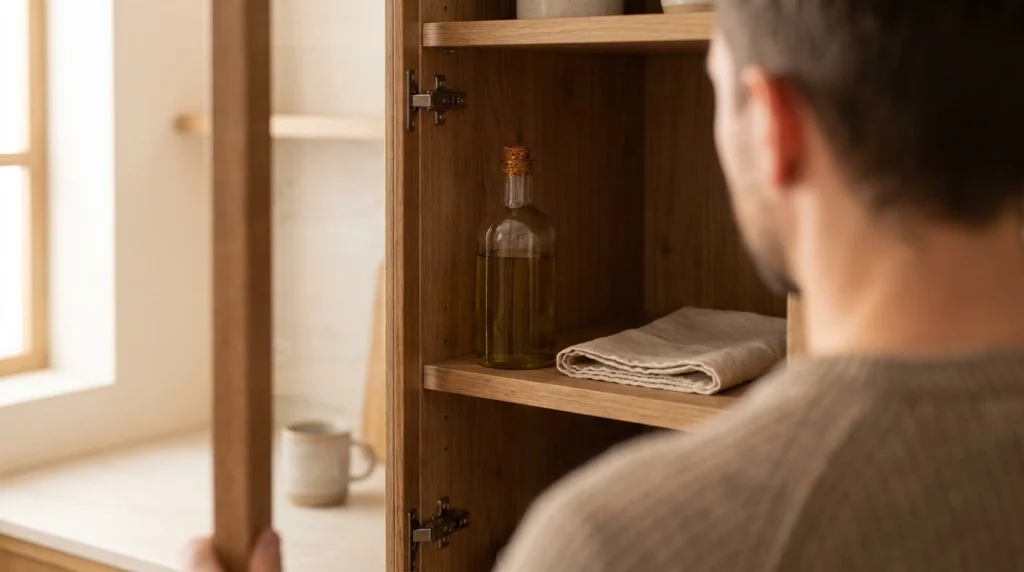
Store cutting board oil in its original, tightly closed container in a cool, dry location away from sunlight and excessive heat.
A dedicated kitchen cupboard away from the stove is usually a practical storage location.
- Keep the original cap tightly secured.
- Retain the original product label.
- Store the bottle upright to prevent leaks.
- Keep the container away from water and cleaning chemicals.
- Use clean, dry applicators.
- Write the opening date on the bottle if useful.
- Follow any product-specific temperature requirements.
A simple habit I recommend is keeping the oil and a clean application cloth together in a designated board-care area. This makes maintenance easier without mixing supplies used for food preparation and household cleaning.
Does Cutting Board Oil Need to Be Refrigerated?
Most pure food-grade mineral oils do not require refrigeration. Normal indoor storage is generally appropriate unless the manufacturer provides different instructions.
Cold temperatures can temporarily change the consistency of conditioners containing wax or certain plant-derived ingredients.
Before refrigerating any board oil, consider these points:
- Check the product’s storage instructions.
- Keep the container sealed to prevent moisture exposure.
- Allow cold, thickened products to return to room temperature before application when permitted.
- Avoid repeatedly heating and cooling the bottle unnecessarily.
Refrigeration cannot restore oil that has already oxidized or become contaminated.
Does Cutting Board Oil Expire After Opening?
Opening cutting board oil does not automatically start a universal expiration countdown. The usable period depends on the formula, packaging, handling, and manufacturer’s instructions.
Opened pure mineral oil generally remains chemically stable when stored correctly. Products containing oxidizable ingredients may have a shorter recommended period after opening.
| Storage Condition | Recommended Action |
|---|---|
| Unopened and properly stored | Follow the labeled shelf life. |
| Opened and clean | Inspect regularly and follow storage instructions. |
| Beyond expiration date | Replace or seek manufacturer confirmation. |
| Visibly contaminated | Discard the product. |
| Unknown ingredients or storage history | Replace with a clearly labeled product. |
Does Cutting Board Oil Expire Once Applied to Wood?
Cutting board oil does not have a fixed expiration date after application. Instead, its protective effect gradually decreases through washing, regular use, and environmental exposure.
Mineral oil remains liquid within the wood rather than curing into a permanent protective coating. Periodic reapplication helps maintain suitable unfinished wooden boards.
Your board may need fresh oil when:
- The wood develops a dry or faded appearance.
- The surface feels unusually rough.
- Water absorbs into the wood more readily.
- The board receives frequent washing and heavy use.
For a complete application method, follow this guide on how to oil a wooden cutting board without leaving excessive surface residue.
How Often Should You Apply Fresh Cutting Board Oil?
Monthly conditioning is a useful starting point for many regularly used wooden cutting boards. The ideal frequency depends on the board material, climate, washing habits, and manufacturer guidance.
The maintenance instructions from John Boos recommend regular monthly oiling, with adjustments based on use and household conditions.
Use these practical guidelines:
- Daily-use boards: Inspect frequently for signs of dryness.
- Occasional-use boards: Condition when the wood begins to look or feel dry.
- New unfinished boards: Follow the manufacturer’s initial seasoning instructions.
- Bamboo boards: Use a conditioner approved for bamboo surfaces.
- Butcher blocks: Follow a consistent maintenance routine based on usage.
Different board materials may require slightly different treatment. For example, this guide on oiling a bamboo cutting board explains suitable preparation and application techniques.
Can You Extend the Life of Cutting Board Oil?
Proper handling can help preserve cutting board oil throughout its recommended shelf life. However, no storage technique can reverse existing oxidation or guarantee indefinite usability.
Here are the habits I recommend:
- Purchase a bottle size appropriate for your maintenance needs.
- Choose a stable food-contact conditioning formula.
- Close the container immediately after dispensing.
- Never mix old and new batches of oil.
- Avoid transferring oil into unidentified containers.
- Inspect older products before each use.
- Keep food, moisture, and dirty tools away from the bottle.
Buying a large container may reduce the cost per ounce. For households with only one cutting board, a smaller bottle can be easier to manage and store.
You can also use suitable conditioning products on other kitchen items by following this guide to using cutting board oil on wooden utensils.
Is Cutting Board Wax More Stable Than Cutting Board Oil?
Cutting board wax can offer good storage stability when its ingredients are resistant to oxidation. However, its shelf life still depends on the complete formulation rather than the presence of wax alone.
Mineral oil penetrates wood, while wax-based conditioners help create a more water-resistant surface layer. These products can complement each other when the board manufacturer recommends their combined use.
A typical maintenance routine involves:
- Cleaning the cutting board thoroughly.
- Allowing the wood to dry completely.
- Applying a suitable mineral oil.
- Allowing sufficient absorption time.
- Removing excess oil.
- Applying and buffing an approved board wax when needed.
Read this detailed guide on how to wax a cutting board if you want to include wax in your maintenance routine.
Which Cutting Board Oil Has the Best Shelf Stability?
Pure food-grade mineral oil remains one of the simplest choices for long-term cutting board maintenance in 2026. Its resistance to rancidity makes it particularly convenient for households that condition their boards occasionally.
Remember that conditioning does not replace cleaning or sanitizing. Follow the USDA Food Safety and Inspection Service recommendations for hygienic food preparation and cutting board care.
If you’re replacing an old bottle, these are three products I would shortlist based on their intended applications and formulation types.
As an Amazon Associate, I earn from qualifying purchases.
🏆 Best for shelf stability
Howard Cutting Board Oil
Pure mineral oil formula
This food-grade mineral oil is designed for wooden cutting boards and butcher blocks. I’d choose it when resistance to rancidity and straightforward maintenance are the main priorities.
💧 Best for butcher block care
John Boos Block Mystery Oil
Dedicated wood maintenance formula
Designed for wooden food preparation surfaces, this product fits a regular butcher block care routine. I’d consider it for larger hardwood boards and compatible wooden countertops.
🛡️ Best for surface conditioning
Howard Butcher Block Conditioner
Mineral oil and wax blend
This conditioner combines mineral oil with beeswax and carnauba wax for food-contact wood maintenance. I’d select it when a wax-enriched surface treatment is preferred.
Frequently Asked Questions
Can I use cutting board oil that is five years old?
Five-year-old cutting board oil may retain its chemical stability if it contains pure mineral oil and has been stored correctly. However, check the manufacturer’s shelf-life instructions, inspect the container, and replace the product if its quality or storage history is uncertain.
Does mineral oil go rancid on a cutting board?
Pure food-grade mineral oil does not undergo the same rancidity process as ordinary vegetable oils because it does not contain the same oxidizable fats. The cutting board itself can still develop unpleasant odors from food residues, contamination, or unsuitable oil mixtures.
Why does my cutting board oil smell bad?
An unusual smell may result from oxidation of plant-based ingredients, contamination, or improper storage. Pure mineral oil normally has little or no odor, so an unexpected strong smell is a good reason to stop using the product and investigate its condition.
Does cutting board oil expire if the bottle is unopened?
Unopened cutting board oil can still reach the manufacturer’s recommended expiration date. Although sealed packaging helps protect the contents, shelf life depends on the formulation, packaging integrity, and storage conditions. Always follow any date printed on the original container.
Can I use olive oil instead of expired cutting board oil?
Olive oil is not a recommended replacement for dedicated cutting board oil because it can oxidize and leave undesirable odors or residues within the wood. Choose fresh food-grade mineral oil or another conditioning product specifically designed for food-contact wooden surfaces.
Final Takeaway
Does cutting board oil expire? Some formulations do deteriorate over time, while pure food-grade mineral oil offers excellent resistance to rancidity and long-term chemical stability.
The important distinction is that resistance to rancidity does not guarantee unlimited shelf life. Contamination, packaging damage, and manufacturer expiration instructions still matter.
My recommendation is to purchase a manageable bottle of food-grade mineral oil, store it correctly, and inspect it before each application. Replace any product that develops suspicious changes or has an uncertain storage history.
Check your cutting board oil today, and establish a regular maintenance routine to keep your wooden kitchen surfaces in good condition for years to come.

