Can You Put a Cutting Board in the Oven? Safety Guide
Quick Answer
No, you should not put a regular cutting board in the oven. Wooden and bamboo boards may dry out, warp, crack, or scorch, while plastic boards can melt or deform. Even glass and stone cutting boards are unsafe unless specifically rated for oven use. Instead, use an oven-safe baking sheet, roasting pan, or cast iron skillet. For food preparation and cleaning guidance, see the USDA Food Safety and Inspection Service.
What to Know Before Heating a Cutting Board
- Wooden boards: Heat can damage wood, weaken glued joints, and create a fire risk.
- Plastic boards: Most are not oven-safe and may melt, warp, or release unwanted substances.
- Bamboo boards: High heat can damage the fibers and adhesives used in construction.
- Glass boards: Ordinary cutting-board glass may crack or shatter under thermal stress.
- Stone boards: Natural stone can crack from uneven heating, especially when moisture is present.
- Safer alternatives: Choose cookware with an explicit oven-safe temperature rating.
Bottom line: Unless the manufacturer specifically approves your cutting board for oven use, keep it out of the oven.
It’s easy to confuse a sturdy cutting board with an oven-safe cooking surface. I’ve seen why the idea appeals to home cooks, especially when transferring pizza, bread, or vegetables into a hot oven.
However, a board designed for chopping isn’t automatically suitable for baking. In this guide, I’ll explain what happens to different materials under heat and which alternatives work better.
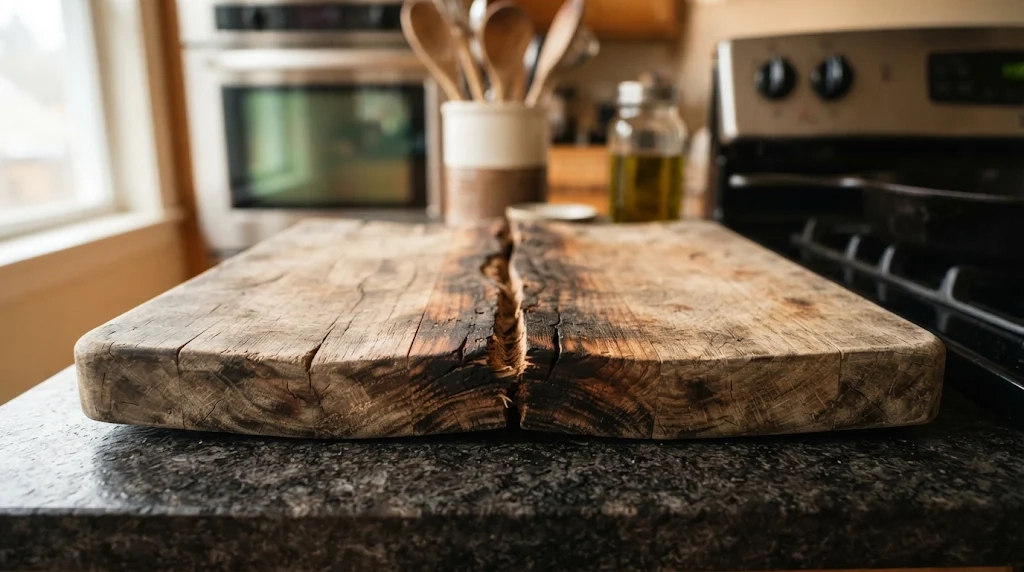
Why Shouldn’t You Put a Cutting Board in the Oven?
 Save
Most cutting boards are designed to provide a stable surface for slicing, chopping, and preparing food. They are not manufactured or tested to withstand the sustained heat of a conventional oven.
An oven typically exposes cookware to temperatures between 250°F and 500°F, depending on the recipe. That heat can create several problems for ordinary cutting boards.
- Structural damage: Materials can warp, crack, split, or lose their original shape.
- Fire hazards: Wood can char and may ignite under sufficiently severe heat exposure.
- Melting: Plastic boards may soften or melt against hot oven surfaces.
- Adhesive failure: Heat may weaken glue holding laminated wood or bamboo together.
- Food contamination: Damaged coatings, melted plastic, or degraded adhesives may contact food.
- Thermal shock: Some glass and stone products can break when temperatures change rapidly.
A cutting board’s thickness doesn’t prove it can tolerate oven temperatures. What matters is its complete construction and the manufacturer’s stated heat limits.
Can You Put a Wooden Cutting Board in the Oven?
No. A regular wooden cutting board should not go into a conventional oven, including at low baking temperatures.
Wood reacts to changes in moisture and temperature. Excessive heating can cause uneven drying, surface damage, and permanent distortion.
What Happens When Wood Is Heated?
Wood contains moisture within its natural fibers. As heat removes that moisture, different areas of the board may shrink at different rates.
- Warping: The board may bend or twist as moisture escapes unevenly.
- Cracking: Drying stresses may create splits along the grain.
- Glue damage: Bonded sections can separate when adhesives are exposed to excessive heat.
- Surface discoloration: Heat can darken the wood or damage its protective finish.
- Fire risk: Sustained high temperatures or contact with heating elements may cause scorching or ignition.
End-grain and edge-grain cutting boards can both suffer heat damage. Neither construction should be considered oven-safe without specific manufacturer approval.
Can You Put a Wooden Cutting Board in the Oven at 200°F?
I wouldn’t recommend it. Even at 200°F, prolonged heating may dry the wood unevenly and damage adhesives or finishes.
Lower oven temperatures don’t guarantee safety. Exposure time, moisture, wood species, and construction all affect the outcome.
Some woodworking techniques use controlled heat to dry unfinished lumber. Those specialized processes don’t make finished kitchen cutting boards suitable for household ovens.
Can You Use an Oven to Dry a Wooden Cutting Board?
Air-drying is the safer everyday method. After washing, wipe the board thoroughly and allow air to circulate around it.
Follow the manufacturer’s care instructions. Many wood-board makers recommend hand washing and drying rather than machine washing or artificial heating.
Can You Put a Plastic Cutting Board in the Oven?
No. A standard plastic cutting board isn’t designed for oven use and can soften, warp, or melt when heated.
Many boards use materials such as polyethylene or polypropylene. Their heat resistance varies by formulation, but ordinary food-preparation boards shouldn’t be treated as bakeware.
What Happens If Plastic Melts in the Oven?
Melting plastic can stick to oven racks, cookware, or heating surfaces. It may also produce irritating fumes and leave residues that require careful removal.
Never assume a board is oven-safe because its packaging says BPA-free, dishwasher-safe, or food-grade. Those descriptions do not establish oven compatibility.
The USDA warns against using ordinary plastic packaging in conventional ovens. Although packaging and cutting boards are different products, the guidance illustrates why heated plastic requires caution.
Are Dishwasher-Safe Plastic Boards Oven-Safe?
No. Dishwasher safety and oven safety are separate manufacturer ratings.
A board may tolerate dishwasher cleaning while remaining unsuitable for baking temperatures. Always look for an explicit oven-safe designation and maximum temperature.
Can You Put a Bamboo Cutting Board in the Oven?
No. Bamboo cutting boards generally shouldn’t be placed in an oven.
Most bamboo boards consist of strips bonded together with adhesives. Sustained heat can damage these joints, dry the fibers, and shorten the board’s useful life.
Why Bamboo Boards React Poorly to High Heat
- Fiber movement: Uneven moisture loss can cause distortion.
- Bonded construction: Excessive heat can affect the adhesive joints.
- Surface damage: Repeated heating can lead to drying and splitting.
- Unknown finishes: Oils and surface treatments may not be formulated for baking.
Bamboo boards work well for ordinary food preparation when properly maintained. Their durability as cutting surfaces doesn’t make them suitable for roasting or baking.
Can Glass, Marble, or Stone Cutting Boards Go in the Oven?
Not unless the manufacturer explicitly rates that particular product for oven use. A heat-resistant material isn’t necessarily a heat-resistant finished cutting board.
Glass boards may break through thermal shock, while stone can develop cracks from temperature differences. Non-slip feet, adhesives, and decorative finishes introduce additional limitations.
What About Tempered Glass?
Tempered glass isn’t automatically oven-safe. Tempering and oven-safe construction involve different performance requirements.
Use only glass bakeware approved for your intended oven temperature and cooking method. Also follow the manufacturer’s instructions about preheating, broiling, and temperature changes.
What About Marble or Granite?
Marble and granite can tolerate some heat, but that doesn’t make a countertop cutting slab suitable for baking. Natural flaws, absorbed moisture, and uneven heating may cause damage.
Stone serving boards also sometimes include rubber feet or adhesives. These components may fail long before the stone itself shows visible damage.
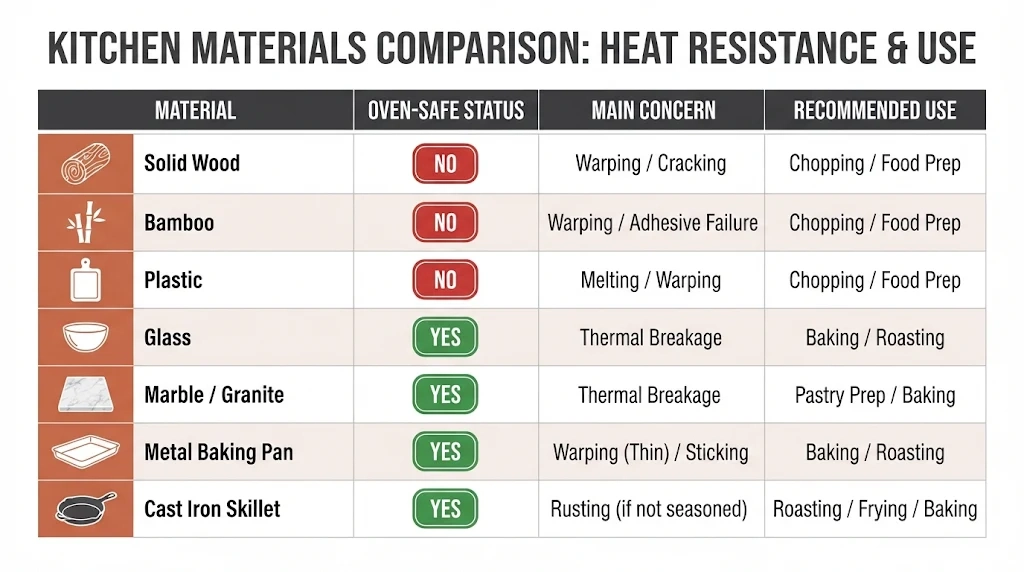
Cutting Board Materials Compared: Which Are Oven-Safe?
 Save
The table below summarizes common cutting-board materials and the risks associated with oven exposure. These are general recommendations, not temperature certifications for individual products.
| Material | Oven-Safe? | Main Concern | Recommended Use |
|---|---|---|---|
| Solid wood | No | Warping, cracking, scorching | Chopping and serving |
| Bamboo | No | Drying and adhesive damage | Food preparation |
| Plastic | No | Melting and deformation | Everyday cutting |
| Glass cutting board | Not unless rated | Thermal breakage | Serving or light preparation |
| Marble or granite | Not unless rated | Cracking and attached components | Pastry preparation and serving |
| Oven-rated metal baking pan | Yes, within rating | Hot surfaces and product-specific limits | Baking and roasting |
| Oven-rated cast iron | Yes, within rating | Extremely hot handles | Roasting, searing, baking |
Important: Product-specific safety instructions always take priority over general material properties. Check every accessory, handle, lid, and coating before heating cookware.
What Can You Use Instead of a Cutting Board in the Oven?
The best alternative depends on what you’re cooking. An oven-safe pan or baking surface lets you heat food without exposing an unsuitable cutting board to damaging temperatures.
1. Metal Baking Sheet
A metal baking sheet is my first recommendation for roasting vegetables, baking cookies, or reheating many foods. It offers a flat cooking surface and generally distributes heat effectively.
Choose a heavy-duty baking sheet with a clearly stated heat rating. Rimmed designs also help contain cooking juices and prevent spills.
2. Cast Iron Skillet
Cast iron is an excellent option for high-heat cooking when the specific pan is approved for oven use. It retains heat and moves comfortably between many stovetops and ovens.
It’s especially useful for skillet bread, roasted meat, and meals requiring stovetop searing before baking. Remember that the handle becomes extremely hot.
3. Oven-Safe Ceramic Baking Dish
Oven-rated ceramic dishes work well for casseroles and baked meals. However, decorative ceramic serving plates shouldn’t be substituted without manufacturer approval.
Check the maximum temperature and avoid sudden temperature changes. Some ceramic bakeware also has restrictions on broilers or direct heat.
4. Oven-Safe Glass Baking Dish
A glass baking dish specifically designed for oven cooking can be suitable for casseroles and similar recipes. An ordinary glass cutting board cannot replace it.
Follow the manufacturer’s thermal-shock precautions carefully. Never assume all glass cookware has the same temperature tolerance.
5. Pizza Stone or Baking Steel
These specialized cooking surfaces are useful for homemade pizza and certain breads. Their design supports oven heating and effective heat transfer.
Follow the manufacturer’s preheating instructions and maximum temperature. A pizza peel or cutting board can help prepare dough, but it shouldn’t remain inside the oven.
Can You Put a Cutting Board in the Oven to Keep Food Warm?
No. Keeping food warm doesn’t justify putting a regular cutting board inside an oven.
Even relatively low settings may damage wood, bamboo, plastic, or attached components over time. Instead, transfer food to an approved baking dish or warming container.
Food safety matters too. The USDA recommends keeping hot food at 140°F or above when holding it for service.
For safe holding practices, consult FoodSafety.gov and use a food thermometer when needed.
Can You Use a Cutting Board for Pizza or Bread?
Yes, a cutting board can be useful when preparing or serving pizza and bread. The important difference is whether it stays outside the oven.
Use a board to shape dough, chop toppings, or slice finished food. Transfer the pizza or bread to a suitable cooking surface before baking.
How to Transfer Pizza Safely
- Prepare the dough on a clean, food-safe work surface.
- Preheat the oven and its approved baking surface according to the product instructions.
- Use a pizza peel or suitable parchment paper to assist with transferring the dough.
- Move the pizza onto the baking stone, steel, or tray without placing the cutting board inside.
- Bake according to your recipe and remove the pizza using suitable heat-resistant equipment.
- Allow the pizza to cool briefly before transferring it to a cutting board for slicing.
Never place a wooden board directly against an oven heating element. Avoid putting hot cookware on a cutting board unless its manufacturer allows that use.
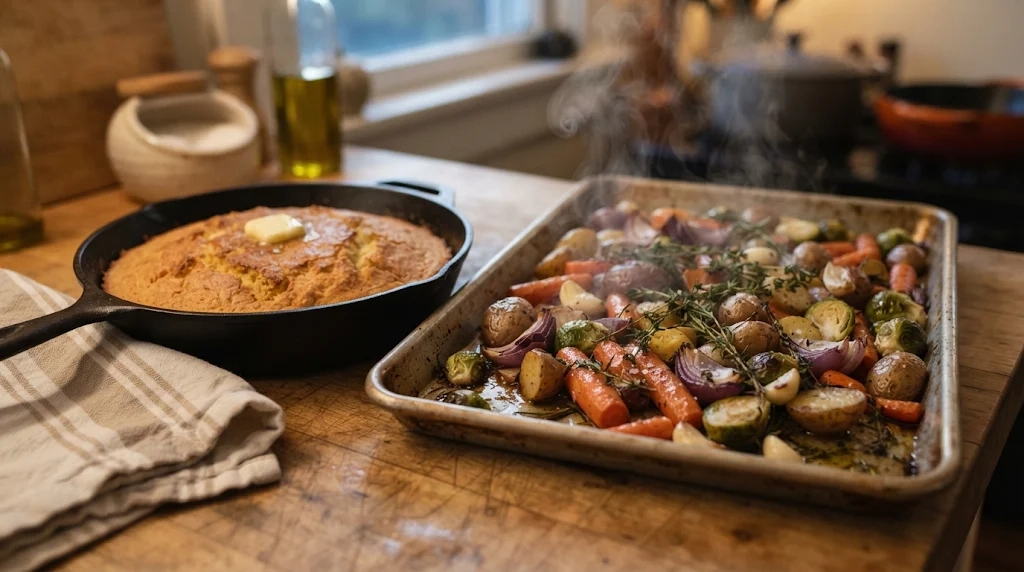
What Should You Do If You Accidentally Put a Cutting Board in the Oven?
 Save
Your response should depend on the board’s material and whether there’s smoke, fire, melting, or visible damage. Safety comes before saving the board.
If the Board Is Hot but Not Burning
- Turn off the oven.
- Keep your hands away from the board and hot surfaces.
- If there’s no smoke or fire, allow the oven and board to cool safely.
- Do not touch melted plastic or unfamiliar residue while hot.
- Inspect the board and oven only after cooling.
If You See Smoke or Flames
Turn off the oven if you can do so safely, and keep the oven door closed if there’s a fire inside. Opening the door may supply oxygen and intensify the flames.
Don’t throw water into an oven fire or attempt to retrieve a burning board. Evacuate and contact emergency services if the fire doesn’t stop immediately or conditions are unsafe.
Follow guidance from the National Fire Protection Association for home cooking and fire prevention.
What If Plastic Has Melted?
Turn off the oven and avoid breathing any fumes. Move away from the affected area and ventilate only when safe to do so.
Don’t run a self-cleaning cycle to burn away plastic residue. Consult the oven manufacturer’s cleaning instructions or a qualified service technician before using the appliance again.
Discard food that has contacted melted plastic or its residue. If anyone experiences breathing problems after exposure, seek medical help promptly.
How Can You Tell If a Cutting Board Is Heat-Safe?
The manufacturer’s written specifications provide the most reliable answer. Labels describing general durability or food safety are not enough.
Before exposing any cooking surface to oven heat, check these details:
- Oven-safe statement: Look for explicit approval for conventional oven use.
- Maximum temperature: Confirm that the stated limit exceeds your cooking temperature.
- Construction: Check handles, coatings, adhesives, feet, and other attached components.
- Cooking restrictions: Determine whether broiling, direct heat, or rapid temperature changes are prohibited.
- Manufacturer instructions: Review the specific model’s care guide.
If the manufacturer doesn’t mention oven compatibility, treat the board as unsuitable. Don’t experiment with progressively hotter temperatures to test it yourself.
How to Clean and Maintain Your Cutting Board Properly
Good cutting-board maintenance doesn’t require oven heating. Cleaning, appropriate sanitizing, and thorough drying help extend the board’s life.
Cleaning a Wooden or Bamboo Cutting Board
- Remove food scraps immediately after preparation.
- Wash the board with warm water and dish soap.
- Scrub both sides and the edges using an appropriate brush or sponge.
- Rinse away detergent and visible residue.
- Dry with a clean towel and allow the board to air-dry thoroughly.
- Condition wooden boards with food-grade board oil when recommended by the manufacturer.
Avoid prolonged soaking unless the manufacturer permits it. Many laminated wood and bamboo boards can suffer damage from excessive moisture.
Cleaning a Plastic Cutting Board
Wash plastic boards thoroughly with soap and water after use. A dishwasher-safe board may also be cleaned in the dishwasher according to its manufacturer’s instructions.
Consider separate cutting boards for raw meat and ready-to-eat foods. The USDA recommends preventing cross-contamination and replacing boards with hard-to-clean grooves.
For more details, the University of Maine Cooperative Extension cutting-board guide explains material selection, cleaning, and sanitizing practices.
When Should You Replace a Cutting Board?
Cutting boards don’t last forever. Even a premium board should be replaced when damage makes it difficult to clean or unsafe to use.
- Deep knife grooves that trap food residue
- Splitting or cracking through the surface
- Separation between laminated sections
- Severe warping that makes the board unstable
- Melted, scorched, or permanently heat-damaged areas
- Loose fragments that could enter food
My Practical Recommendations for Safer Cooking
For an everyday kitchen, I recommend separating food preparation from cooking. A dedicated cutting board handles knife work, while oven-rated cookware handles heat.
For example, when preparing roasted vegetables, chop them on the board and move them to a rimmed baking sheet. That simple approach protects the cutting surface and keeps hot cookware where it belongs.
If you’re choosing equipment for this workflow, the following real products are worth considering. The ratings below are editorial suitability scores based on features and intended use, not verified customer ratings or hands-on test results.
Recommended Cutting and Oven-Safe Cooking Products
🏆 Best Oven-Safe Alternative
Nordic Ware Naturals Baker’s Half Sheet
★★★★★ 5.0/5 Editorial Fit
This uncoated aluminum baking sheet measures approximately 17.9 by 12.9 inches externally. The manufacturer rates it for oven temperatures up to 500°F. I’d choose this type of rimmed tray for everyday roasting instead of risking a cutting board.
🔥 Best for Heat Retention
Lodge 12-Inch Cast Iron Skillet L10SK3
★★★★★ 4.8/5 Editorial Fit
This seasoned cast iron skillet works on stovetops and in ovens. Its heat retention makes it useful for skillet bread, roasting, and finishing seared foods. I’d consider it when a recipe needs both stovetop and oven cooking.
🥗 Best for Food Preparation
OXO Good Grips Carving & Cutting Board
★★★★☆ 4.7/5 Editorial Fit
This polypropylene cutting board measures approximately 21.1 by 14.5 inches and includes a juice groove and non-slip feet. It’s designed for convenient preparation and is dishwasher-safe. I recommend it for chopping and carving, not oven use.
Affiliate disclosure: This article contains affiliate links. Qualifying purchases may earn a commission without changing your purchase price. Always confirm the current product specifications before buying.
Frequently Asked Questions
Can You Put a Cutting Board in the Oven at 170°F?
It’s not recommended unless the board’s manufacturer explicitly approves oven use. Even at 170°F, prolonged heating may affect finishes, moisture content, adhesives, or plastic components. Use suitable cookware or dry a washed board at room temperature instead.
Can You Put a Wooden Cutting Board in the Oven to Kill Bacteria?
No. A household oven isn’t a recommended method for sanitizing ordinary wooden cutting boards. Heating may damage the board without providing a validated sanitation process. Wash with soap and water, then follow appropriate food-contact sanitizing guidance when needed.
Can You Put a Bamboo Cutting Board in the Oven at 200°F?
No. Heating a bamboo cutting board to 200°F can dry its fibers and potentially weaken bonded sections. Bamboo boards are generally intended for food preparation, not baking. Clean and air-dry the board following the manufacturer’s care instructions.
Can You Put a Cutting Board in the Oven for Pizza?
Keep an ordinary cutting board outside the oven. You can use it to prepare dough or toppings, but transfer the pizza onto an approved baking tray, pizza stone, or baking steel. Use a suitable pizza peel for handling hot food.
Can You Put a Cutting Board Under a Hot Baking Pan?
Only if the cutting-board manufacturer confirms it can safely withstand the pan’s contact temperature. Hot cookware may scorch wood, melt plastic, or damage finishes. A heat-resistant trivet designed for hot cookware is the safer choice.
Final Verdict: Should You Ever Put a Cutting Board in the Oven?
For ordinary household cutting boards, the answer is no. Wooden, bamboo, plastic, glass, and stone cutting surfaces can all present problems when exposed to oven heat.
The safest solution is to use each kitchen tool for its intended purpose. Prepare ingredients on your cutting board and cook them on a properly rated baking surface.
A reliable baking sheet or cast iron skillet offers a better option for most oven recipes. You’ll protect your cutting board, reduce avoidable hazards, and make everyday cooking simpler.
Before your next baking session: Check your cookware’s oven-safe rating, keep cutting boards away from heating elements, and use a proper trivet when handling hot pans.

