Micarta Chef Knife Handle: Benefits, Types, and Maintenance
Quick Answer
Micarta chef knife handles are premium custom handles made from layers of cloth, paper, or canvas soaked in resin and compressed under high heat. They are exceptionally durable, moisture-resistant, and provide a secure, slip-resistant grip even when wet, making them a popular choice for high-end kitchen cutlery.
Choosing a kitchen knife involves evaluating blade steel, balance, and edge retention, but the handle dictates how comfortable the tool feels during long prep sessions. Among modern handle materials, Micarta has earned a reputation for reliability among professional chefs and home cooking enthusiasts alike.
What Is Micarta and How Is It Made?
 Save
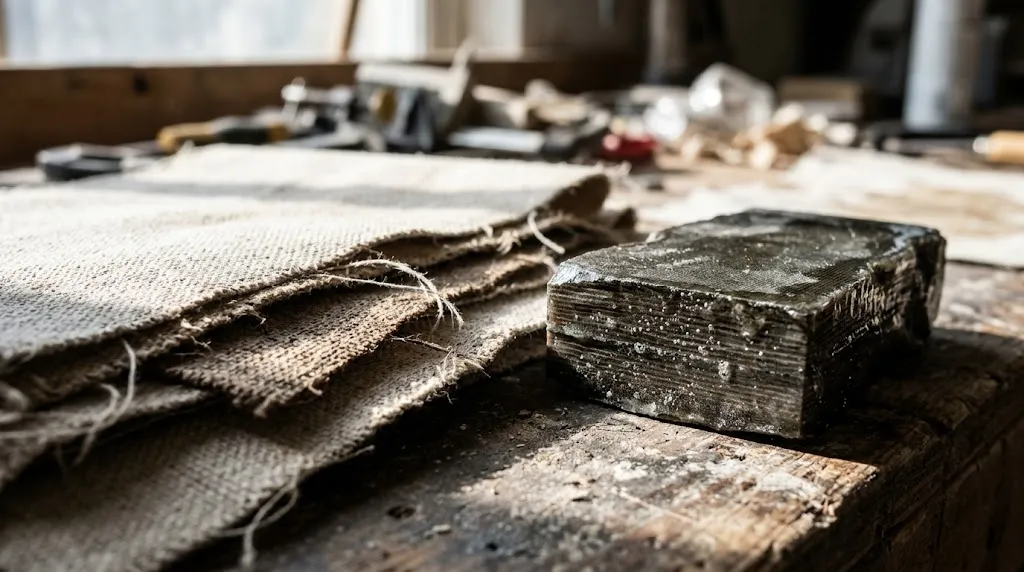
Micarta is a brand name for composite materials made of resin-impregnated fabric layers. Originally developed for industrial electrical insulation in the early 20th century, knifemakers eventually adopted it for its rugged physical properties.
The manufacturing process involves stacking sheets of base material—typically canvas, linen, or paper—and saturating them with a thermosetting resin such as phenolic or epoxy. Manufacturers then apply intense heat and pressure to cure the material into a solid, homogenous block. Once cured, the block can be shaped, ground, and polished into knife scales that reveal unique patterns depending on how the fabric layers intersect.
Key Characteristics of Micarta Knife Handles
Unlike natural wood handles that require regular oiling or cheap plastics that crack under stress, Micarta offers a balanced set of performance traits tailored for demanding kitchen environments.
Moisture Resistance and Dimensional Stability
Wood handles expand and contract with humidity fluctuations, sometimes causing gaps around the knife tang or cracking the scales. Micarta is virtually impervious to water, steam, and oils. It will not warp, swell, or rot when exposed to frequent washing or wet food ingredients.
Grip Security Under Wet Conditions
Kitchen prep often involves slippery substances like water, fat, and juices. Smooth polished wood or polished G10 can become slick during intensive dicing tasks. Micarta—particularly canvas variants—develops a slightly tactile, grippy texture as the fabric fibers are exposed during shaping and minor wear, enhancing hand traction during use.
Impact Resistance
Kitchen knives occasionally get dropped on tile floors or bumped against countertops. Micarta possesses high tensile strength and impact resistance, meaning it absorbs shocks well without chipping or shattering like brittle synthetic materials.
Key Insight
Micarta is not a single material type; the choice of base cloth—such as coarse canvas versus fine linen—drastically alters both the visual texture and tactile grip of the finished chef knife handle.
Comparing Micarta Types: Canvas vs. Linen vs. Paper
Different fabric substrates create distinct aesthetic and functional variations in kitchen knife handles.
| Material Type | Texture & Feel | Visual Appearance | Best Suited For |
|---|---|---|---|
| Canvas Micarta | Grippy, textured, matte | Coarse, organic, fibrous look | Heavy-duty chef knives and outdoor use |
| Linen Micarta | Smooth yet secure, semi-matte | Fine grain, satin sheen, elegant | High-end kitchen cutlery and fine prep |
| Paper Micarta | Very smooth, polished | Uniform, sleek, solid or subtle grain | Collector pieces and sleek utility knives |
Canvas Micarta remains the most popular option for chef knives due to its superior wet grip and rugged durability.
Micarta vs. G10 vs. Wood Handles
When selecting a chef knife, handle material comparison helps clarify why makers choose composites over traditional options.
Traditional wood provides a warm, classic aesthetic, but requires maintenance to prevent cracking and water absorption. G10, another high-performance composite made of fiberglass and resin, is extremely durable and hard, but can feel sterile or abrasive in bare hands during extended cutting sessions. Micarta bridges this gap by offering synthetic resilience combined with a warmer, slightly softer hand-feel that mimics natural fibers.
How to Care for and Maintain Micarta Handles
 Save
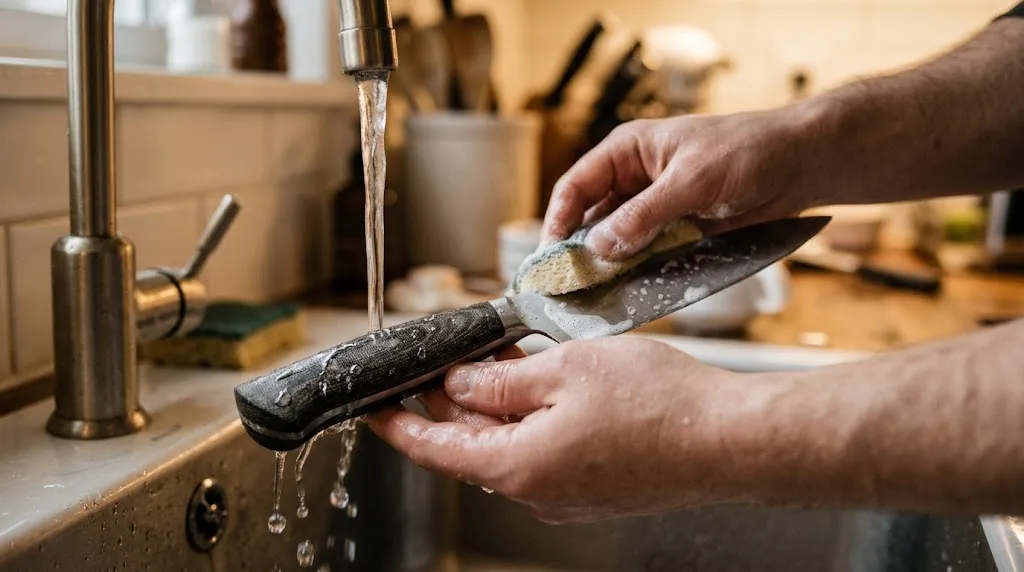
While Micarta is low-maintenance compared to wood, proper cleaning preserves its appearance and tactile feel over years of kitchen use.
Wash the knife by hand using mild dish soap and warm water immediately after use. Avoid soaking wooden or composite-handled knives in standing water for extended periods, and never run them through an automatic dishwasher. The harsh detergents, high heat, and intense drying cycles can degrade resins and dull the finish.
Tip
If a Micarta handle begins to look dry or faded from frequent washing, rub a single drop of food-safe mineral oil into the surface with a clean cloth to restore its rich, deep color.
Potential Drawbacks to Consider
Despite its numerous benefits, Micarta has a few limitations worth noting before purchasing a knife:
- Color Patina: Micarta absorbs oils from hands and food over time, which can slightly darken the handle color in areas of frequent contact.
- Aesthetic Variations: Because it is made from layered cloth, grinding angles during manufacturing can create unique contour lines that some purists find less uniform than stabilized wood.
- initial appearance can look dry until conditioned with oil.
Related Product
Kitchen Knife Maintenance and Sharpening Stones
Keep your high-performance chef knife sharp and well-maintained with quality whetstones and care accessories.
As an Amazon Associate, we earn from qualifying purchases.
Frequently Asked Questions
Is Micarta dishwasher safe?
No. Even though Micarta is moisture-resistant, the extreme heat and harsh caustic detergents in commercial or household dishwashers can degrade the resin binder, cause discoloration, and loosen the handle scales from the knife tang.
Does Micarta absorb food odors?
Micarta is a non-porous composite material, meaning it does not absorb liquids or food odors easily. Regular washing with soap and water keeps the handle sanitary.
Why does my Micarta handle look faded?
Dryness from repeated washing can cause Micarta to look chalky or light. Applying a small amount of mineral oil restores the deep, rich tone instantly.
Can Micarta be repaired if scratched?
Yes. Minor surface scratches can be sanded out using very fine-grit sandpaper followed by buffing and a light application of mineral oil to blend the finish.
Is canvas or linen Micarta better for a chef knife?
Canvas Micarta offers superior grip and a rugged tactile feel, making it ideal for wet kitchen conditions. Linen Micarta provides a smoother, more refined aesthetic suited for lighter precision tasks.
How long do Micarta handles last?
When properly maintained, Micarta handles last a lifetime. They do not rot, crack from dryness, or degrade under normal kitchen operating conditions.
Conclusion
Micarta chef knife handles deliver an ideal combination of durability, moisture resistance, and ergonomic grip. By blending synthetic resilience with a comfortable, fiber-based texture, they solve common issues associated with traditional wood and slick plastics. Whether you are outfitting a professional kitchen or upgrading home prep tools, understanding the nuances of canvas, linen, and paper Micarta ensures you select a handle that performs reliably for years.

