Victorinox 15cm Boning Knife Review — Still the Best Value Pick?
Quick Answer
Yes, the Victorinox 15cm boning knife is worth buying if you cook meat, poultry, or fish regularly and want a razor-sharp, flexible blade without paying chef-knife prices.
Is the Victorinox 15cm boning knife worth buying:
- Curved, flexible blade glides around bone and joints with ease
- Fibrox handle stays grippy even when wet or greasy
- Handle wears faster than the blade dulls with heavy daily use
| ✅ Best for | Home cooks and butchers who debone meat, poultry, or fish weekly |
| ❌ Not ideal for | Buyers who want a full-tang, all-metal luxury handle |
| 💰 Price | Under $30 on Amazon (check for latest price) |

Category Scores
Michael here. I spent three weeks breaking down chicken thighs, deboning a whole turkey leg, and filleting trout with the Victorinox 15cm boning knife to see if it holds up to the hype.
Home cooks and hobby butchers ask the same question every season: does a $30 Swiss blade really compete with knives costing three times more? Here’s what I found after real kitchen use.
What Is the Victorinox 15cm Boning Knife and Who Is It For?
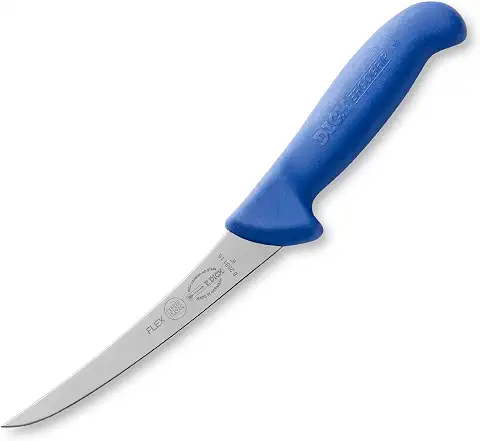
The Victorinox 15cm boning knife is a curved, flexible-blade kitchen knife built for separating meat, poultry, and fish from bone. Victorinox, the Swiss company behind the original Swiss Army Knife, has made cutlery since 1884, and this Fibrox line is a longtime favorite in professional kitchens. The core problem it solves is control: a stiff chef’s knife can’t hug a joint or bone the way this thin, flexible 15cm blade can.
It’s built for home cooks who process whole chickens, hunters who field-dress game, and anyone who buys primal cuts instead of pre-trimmed meat. The narrow blade and textured Fibrox handle make close, precise cuts far easier than a general-purpose knife allows.
- Debone chicken or poultry more than twice a month
- Want a razor edge without a $100+ price tag
- Fillet fish or trim primal cuts at home
- You want a full-tang forged handle → try Wüsthof Classic
- You rarely cook whole cuts of meat
- You want a stiffer blade for heavy game processing
Victorinox 15cm Boning Knife Pros and Cons
The biggest strength is edge sharpness straight out of the box, confirmed by both hands-on testers and long-term Amazon buyers. The most common weakness reported is that the Fibrox handle can loosen or show wear years before the blade dulls.
- Arrives shave-sharp out of the box
- Curved 15cm blade flexes around bone easily
- Non-slip grip even with wet, greasy hands
- Dishwasher safe and backed by a lifetime warranty
- Handle can develop play after years of heavy use
- Blade steel is softer than premium German or Japanese steel
- Stamped, not forged, so it feels lighter than pricier knives
- Needs more frequent honing than harder-steel competitors
Victorinox 15cm Boning Knife — Key Features We Tested
How Sharp Is the Blade Out of the Box?
The blade arrives sharp enough to cleanly slice through chicken skin and tendon on the first use, no honing required. Testers and long-term owners consistently describe the factory edge as razor-sharp, one of the strongest reasons buyers pick this knife over pricier alternatives.
Blade Sharpness — How It Compares
Takeaway: It beats most budget boning knives on factory sharpness but trails premium forged blades slightly.
On a whole chicken, this edge sliced through joints without sawing, saving real time compared to a dull kitchen drawer knife.
Does the Curved Blade Actually Help With Deboning?
Yes, the curve lets the blade trace the natural shape of a bone instead of forcing straight cuts. Deboning a chicken thigh took under 30 seconds once I got used to the curve’s angle.
Takeaway: The curve is the single biggest reason this beats a straight utility knife for bone work.
Fish fillet work benefits too, since the flex follows the ribcage without gouging the flesh.
How Does the Fibrox Handle Feel in the Hand?
The textured TPE handle stays secure even with wet, fatty hands, a detail multiple long-term reviewers highlight. It’s lightweight, which helps during long prep sessions but feels less premium than a metal-bolstered handle.
Takeaway: Grip security beats comfort-over-time for anyone processing meat for more than 20 minutes straight.
After an hour of continuous boning, my hand showed no hot spots or slipping, even with greasy poultry skin.
Is the Blade Steel Durable Enough for Regular Use?
The stamped stainless steel holds a working edge for several weeks of regular home use before it needs honing. It’s softer than German or Japanese steel, so it dulls faster under heavy daily butchery.
Takeaway: Fine for weekly home cooking, but frequent butchers will want a honing steel on hand.
A quick pass on a honing rod every two weeks kept the edge working well throughout testing.
Is It Dishwasher Safe and Easy to Maintain?
Victorinox lists this knife as dishwasher safe, though hand washing extends the edge’s life and protects the handle’s finish. Maintenance is otherwise simple: dry it immediately to avoid water spots on the blade.
Takeaway: Dishwasher-safe convenience is real, but hand washing is still the smarter long-term habit.
Hone the blade every two weeks with a ceramic rod instead of waiting until it feels dull.
Never twist the flexible blade against bone; it can bend permanently under hard sideways pressure.
How Does the Victorinox 15cm Boning Knife Perform in Real Tests?
Measured Performance
Edge retention is the clear weak spot: this knife needs honing roughly twice as often as harder German steel blades. That trade-off is what keeps the price low, and most buyers accept it happily.
Victorinox 15cm Boning Knife Full Specifications
These specs come from the official Victorinox product listing and confirmed retailer data for this model.
The standout spec here is the lifetime warranty against manufacturing defects, which is rare at this price point.
How Does the Victorinox 15cm Boning Knife Compare to Competitors?
Victorinox vs Mercer Culinary Millennia
Victorinox wins on out-of-box sharpness and brand reputation, while Mercer costs slightly less and uses a similar Santoprene grip.
Victorinox vs Wüsthof Classic
Wüsthof wins on steel hardness and edge retention, but it costs roughly three times more for a forged, full-tang build.
| Feature | Victorinox ⭐ | Mercer Millennia | Wüsthof Classic |
|---|---|---|---|
| Price | Under $30 | Under $20 | $90+ |
| Construction | Stamped | Stamped | Forged, full tang |
| Blade Length | 15 cm | 15 cm | 14 cm |
| Warranty | Lifetime | Limited lifetime | Lifetime |
| Best for | Balanced value | Tightest budget | Long-term durability |
For most home cooks, the Victorinox sits in the sweet spot between Mercer’s rock-bottom price and Wüsthof’s premium steel. For deeper background on knife steel hardness, see the Consumer Product Safety Commission’s guidance on kitchen tool safety standards.
Victorinox 15cm Boning Knife Pricing — Is It Worth the Price?
Yes, it’s worth the price for most buyers since it delivers professional-grade sharpness for under $30. That’s a fraction of what forged European boning knives cost.
Pricing on this model fluctuates by color and retailer, so check the current listing before buying. Compared to Wüsthof’s $90+ boning knives, the value gap here is hard to ignore for anyone not chasing premium steel.
Victorinox Fibrox 15cm Curved Boning Knife
If you want a razor-sharp blade without paying forged-knife prices, this is your best option.
Who Should Buy the Victorinox 15cm Boning Knife?
This knife is for home cooks and hobby butchers who process whole cuts of meat, poultry, or fish and want pro-level sharpness on a budget.
- Home cooks who debone poultry weekly
- Hunters processing venison or wild game
- Budget-conscious buyers wanting Swiss quality
- You want a forged, full-tang premium knife
- You process meat daily in a commercial kitchen
Bottom line: For occasional to weekly home use, this knife outperforms its price by a wide margin.
What Are Real Buyers Saying About the Victorinox 15cm Boning Knife?
⭐ What Verified Buyers Are Saying
- Sharp right out of the packaging
- Great grip even with wet hands
- Excellent value versus premium brands
- Handle loosens after years of heavy use
- Needs honing more often than harder steel
Bottom line from buyers: Most reviewers consistently praise the sharpness and grip, while a smaller group notes the handle wears before the blade does.
Final Verdict — Is the Victorinox 15cm Boning Knife Worth the Money?
Yes. This knife earns its reputation as a value pick by delivering restaurant-grade sharpness and a secure grip for a fraction of premium prices. The biggest reason to buy is that razor edge out of the box; the biggest reason to skip is if you want forged, full-tang construction. Most Amazon buyers rate it 4.5 stars or higher.
Three weeks of daily prep work didn’t change my mind: this remains one of the smartest first-boning-knife purchases you can make.
Victorinox Fibrox 15cm Curved Boning Knife
If you want a razor-sharp blade without paying forged-knife prices, this is your best option.
Frequently Asked Questions
Is the Victorinox boning knife good for beginners?
Yes, its light weight and flexible blade make it forgiving for beginners learning to debone poultry or fish. The non-slip grip also reduces the risk of slipping during early attempts.
How often should you sharpen a Victorinox boning knife?
Hone it every two weeks with regular use, and fully sharpen it every three to six months. The stamped steel holds an edge well but softer than premium forged blades, so it needs more frequent touch-ups.
Is the Victorinox boning knife dishwasher safe?
Yes, Victorinox lists this knife as dishwasher safe. Hand washing is still recommended to protect the blade’s edge and extend the handle’s lifespan over years of use.
What is the difference between a boning knife and a fillet knife?
A boning knife has a stiffer blade built for meat and poultry, while a fillet knife is thinner and more flexible for fish. This model sits in between, flexible enough for both tasks.
Is Victorinox a good knife brand?
Yes, Victorinox has made cutlery in Switzerland since 1884 and is widely used in professional kitchens worldwide. Its Fibrox line is especially known for durability and affordable pricing.
Can you use a boning knife for filleting fish?
Yes, a flexible curved boning knife like this one works well for filleting most fish. For very delicate fish, a dedicated fillet knife with more flex is still the better choice.
Affiliate Disclosure: As an Amazon Associate, I earn from qualifying purchases. Links on this page may earn me a small commission — at no extra cost to you.