Winco 6 Inch Boning Knife Review: Is It Worth It?
The Winco 6″ White Plastic Boning Knife with Handle is a commercial-style curved boning knife built for removing meat from…
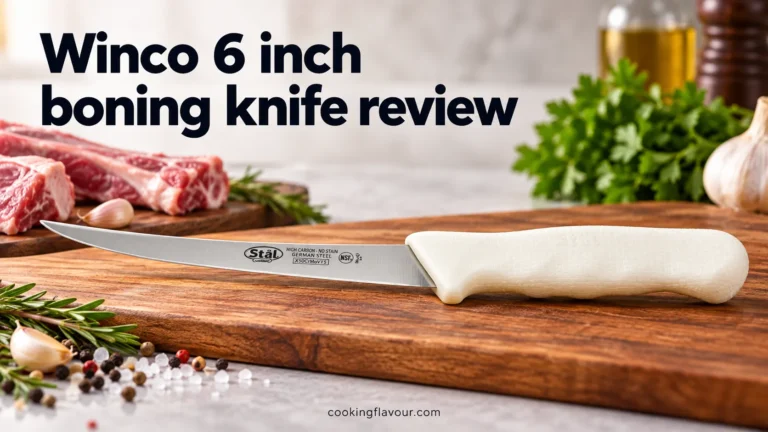
The Winco 6″ White Plastic Boning Knife with Handle is a commercial-style curved boning knife built for removing meat from…
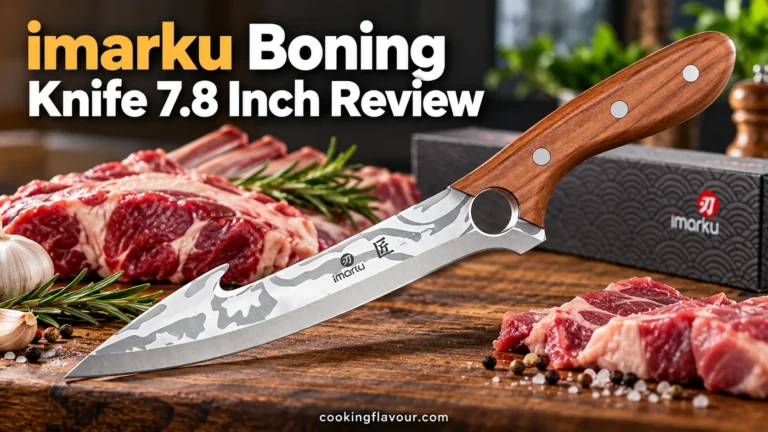
The imarku Boning Knife 7.8 Inch is a high-carbon stainless-steel meat-prep knife designed for deboning, trimming fat, separating joints, and…
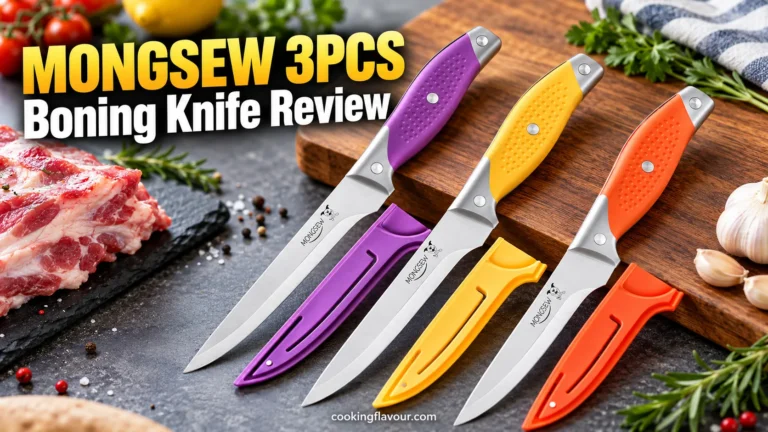
The MONGSEW 3PCS Boning Knife set is a three-knife kit built around 6-inch curved blades for deboning, trimming, skinning, and…
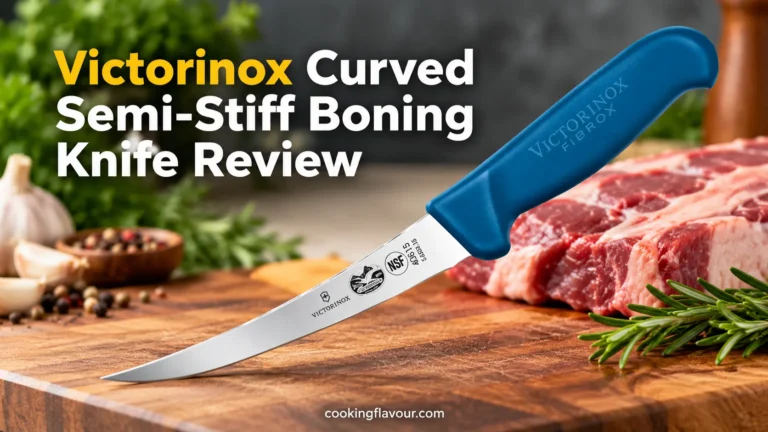
The Victorinox Boning Curved Semi-Stiff Blade Fibrox Pro Handle is a 6-inch professional-style boning knife designed for trimming meat and…
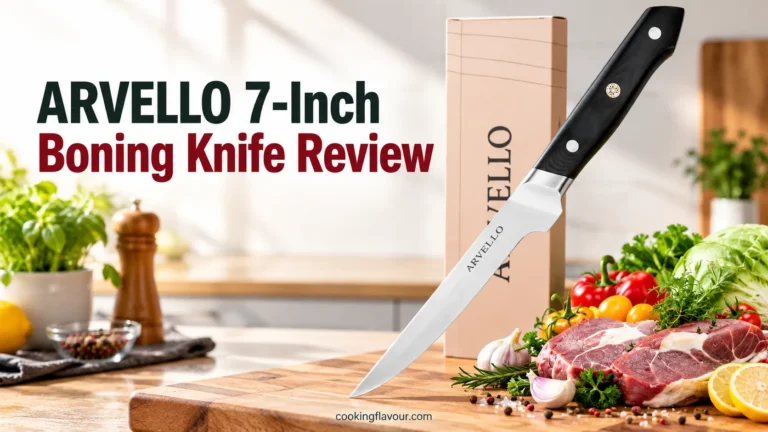
The ARVELLO Boning Knife is a 7-inch deboning and meat-trimming knife built around a narrow stainless-steel blade, full-tang construction, and…
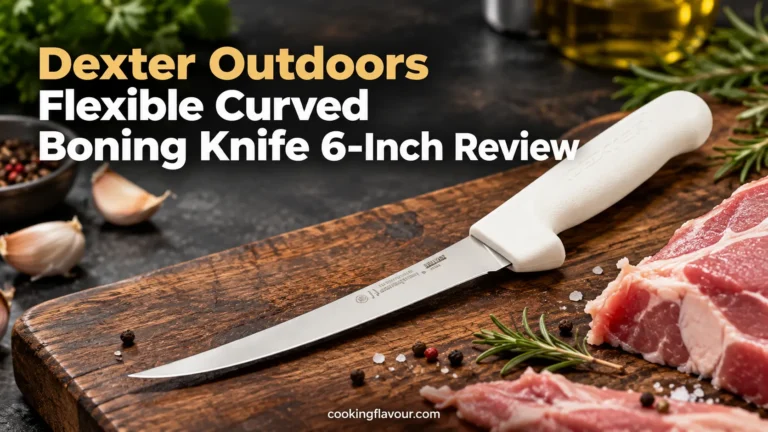
The Dexter Outdoors Flexible Curved Boning Knife, 6-Inch is a narrow, flexible meat-processing knife built for working close to bone,…
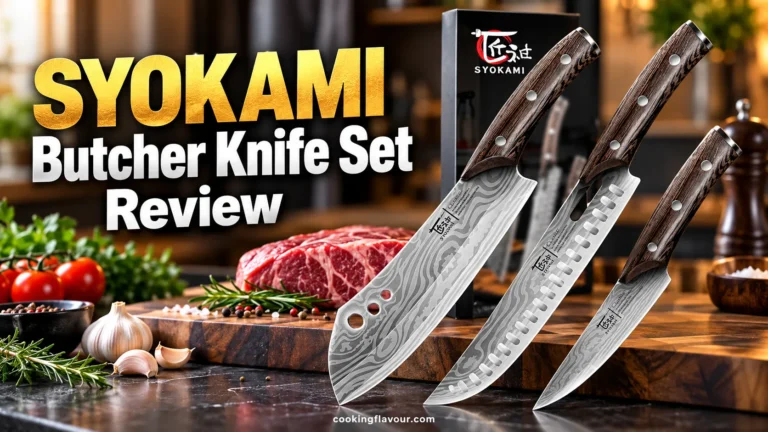
The SYOKAMI Butcher Knife Set is a three-piece meat-processing and BBQ knife set built around three specialized jobs: heavier cutting,…
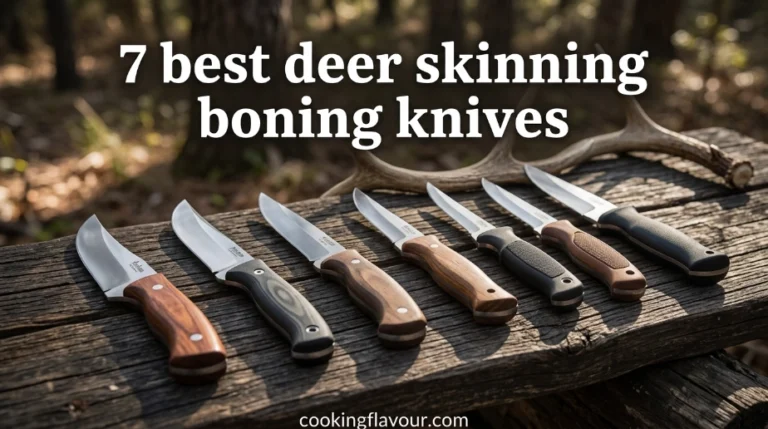
Choosing a deer knife is harder than it looks because skinning, gutting, boning, and meat cleanup reward different blade shapes….
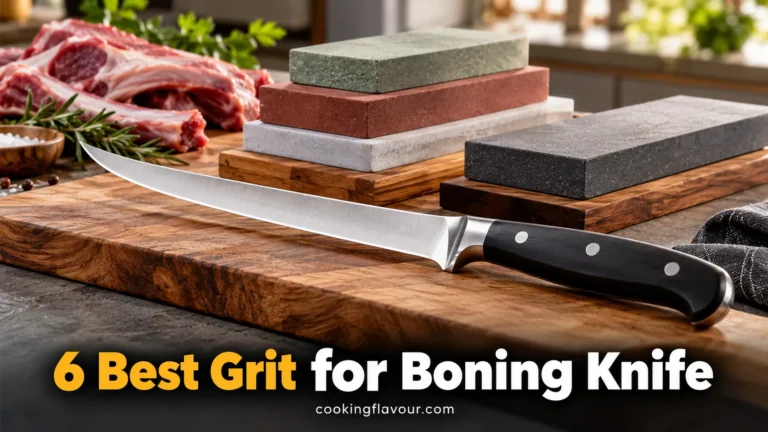
A boning knife’s thin, curved blade demands a sharper edge than a chef’s knife — and the grit you choose…
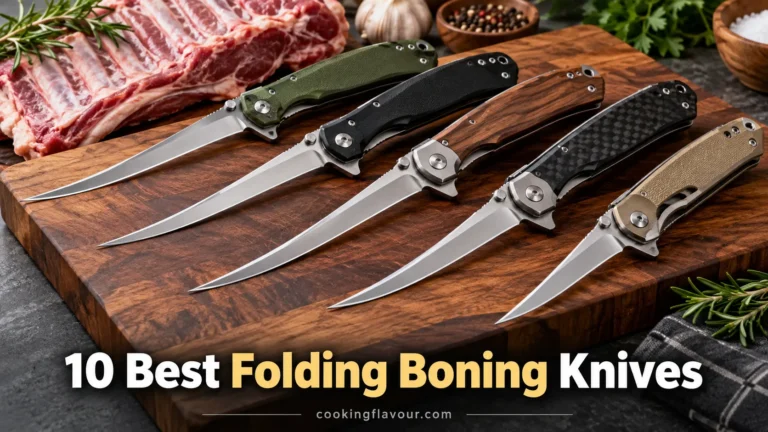
You have a deer down, a fish on the line, or a bulk meat order on the counter, and your…
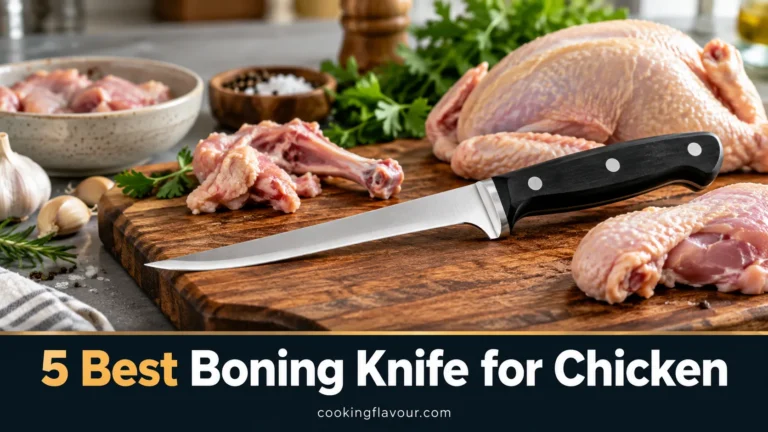
Breaking down a whole chicken becomes frustrating when a wide chef’s knife cannot follow the breastbone, joints, and rib cage…
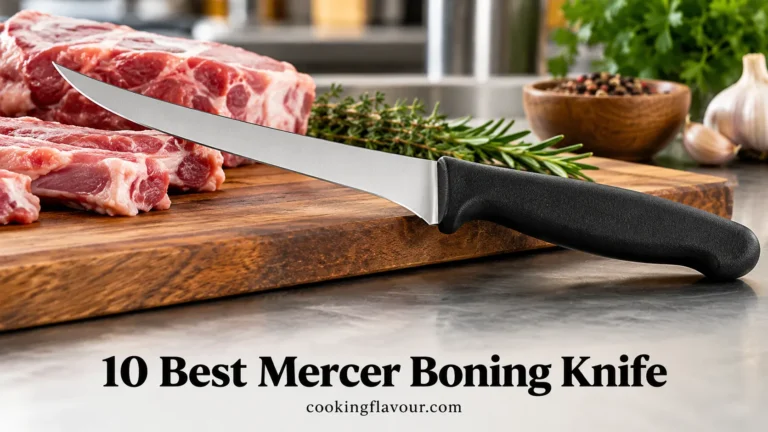
Picking the wrong boning knife means fighting the bone instead of gliding around it — a stiff blade in your…
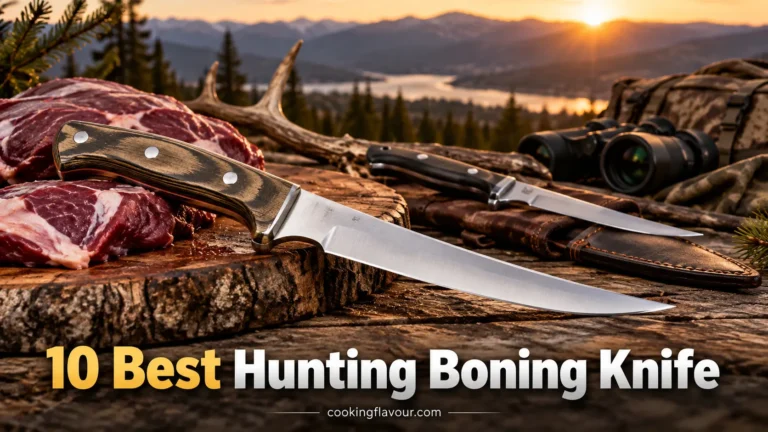
A hunting boning knife that feels right on day one can fail you mid-butcher when its edge folds against a…
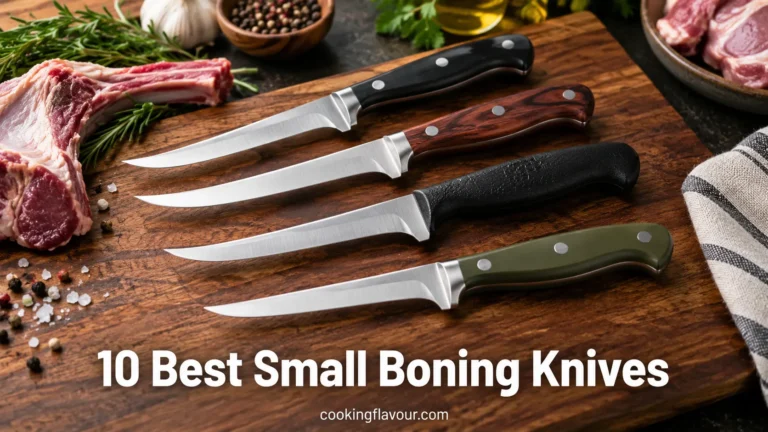
You’re staring at a whole chicken or a pork shoulder, wondering why your chef’s knife keeps fighting you around every…
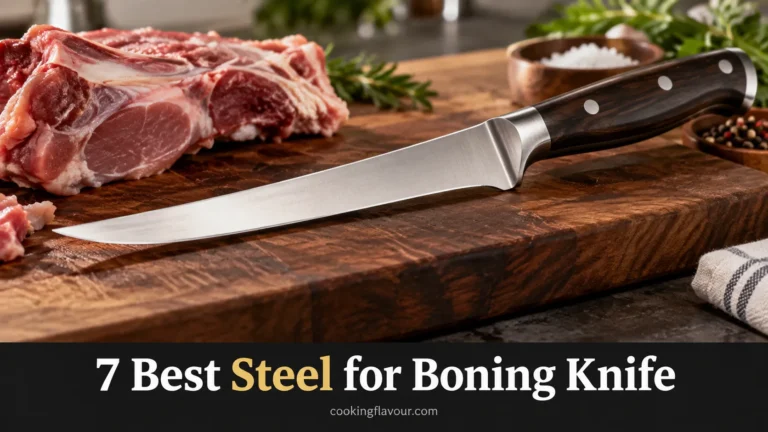
Picking a boning knife is really about picking a steel — the wrong one dulls after one chicken and the…
