German Boning Knife vs Japanese Knife: Which One Cuts Better?
Quick Answer
German boning knives use softer, tougher steel that resists chipping near bone. Japanese boning knives use harder steel that holds a razor edge longer but needs gentler handling. Pick German for heavy home butchery. Pick Japanese for fine, precise cuts.
I’ve split more chickens with a dull knife than I want to admit. It’s slow, messy, and honestly a little dangerous.
I’m Michael, and I test kitchen knives for a living. This guide compares German and Japanese boning knives side by side, so you don’t have to guess.
You’ll get real steel data, honest trade-offs, and a clear answer for your kitchen. Let’s start with the basics.
Key Takeaways
- German boning knives run 55 to 58 HRC, so they flex instead of chip near bone.
- Japanese boning knives run 58 to 62 HRC, so they hold a sharper edge for longer.
- Japanese blades need whetstones. German blades work fine with a honing steel.
- Curved, flexible German blades suit poultry and pork. Straight Japanese honesuki blades suit precise joint work.
- Home cooks often do better with a German blade. Professional butchers often prefer a Japanese one.
What Makes German and Japanese Boning Knives Different?
 Save
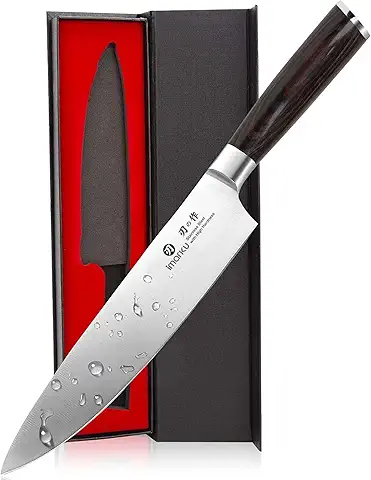
SaveGerman and Japanese boning knives differ mainly in steel hardness, blade shape, and edge angle. These three traits shape everything else about how each knife feels and performs.
A boning knife is a narrow, pointed blade built to separate meat from bone. German brands like Wüsthof and Victorinox built their reputation on tough, flexible blades. Japanese brands like Shun and Global built theirs on thin, hard, precision steel.
In simple terms:
HRC means Hardness Rockwell C. It’s a number that shows how well a blade resists denting when it hits something hard, like bone.
German knives use softer, thicker steel. This makes them forgiving during heavy, repetitive cuts. Japanese knives use harder, thinner steel. This makes them sharper but more fragile under stress.
Want the deeper metallurgy behind this split? Our guide on the difference between German steel and Japanese steel breaks down every alloy used in each tradition.
How Hard Is German Steel Compared to Japanese Steel?
 Save
SaveGerman boning knife steel typically measures 55 to 58 on the Rockwell C scale. Japanese boning knife steel typically measures 58 to 62 on the same scale, and some premium blades go higher.
The Rockwell hardness scale measures how much a material resists denting from a pointed indenter. A higher number means harder, more brittle steel. A lower number means softer, more flexible steel.
Here’s how the two traditions stack up on paper.
| Feature | German Boning Knife | Japanese Boning Knife |
|---|---|---|
| Typical hardness | 55 to 58 HRC | 58 to 62 HRC |
| Common steel | 1.4116 stainless | VG-10, AUS-10 |
| Edge angle per side | 18 to 20 degrees | 12 to 15 degrees |
| Blade weight | Heavier | Lighter |
| Chip resistance | Higher | Lower |
Neither hardness level is “better” on its own. It’s a trade-off between edge life and toughness. The right choice depends on what you’re cutting most often.
Which Knife Holds Its Edge Longer?
Japanese boning knives hold a sharp edge longer than German ones. Harder steel resists the tiny rolling and folding that dulls a blade over time.
That edge life comes at a cost. Once a Japanese blade does dull, it takes more skill and the right tools to bring it back.
Tip:
Test edge retention yourself by trimming chicken thighs. Count how many thighs you cut before the blade starts tearing skin instead of slicing it.
German blades dull faster, but they’re quick to bring back with a honing steel. That’s a big reason home kitchens lean German for daily boning work.
Should You Choose a Curved or Straight Boning Knife Blade?
German boning knives usually have a curved, flexible blade for following bone contours. Japanese boning knives, especially the honesuki style, usually have a straight, stiff, single-bevel blade for controlled joint cuts.
A curved German blade bends around a chicken thigh bone in one smooth motion. That flex reduces wasted meat left on the bone.
A straight Japanese honesuki works more like a small chisel. Butchers use short, precise strokes to pop joints apart cleanly.
Curious how blade steel shapes these design choices? See our full breakdown of boning knife blade materials for more detail.
Is a German or Japanese Boning Knife Easier to Sharpen at Home?
German boning knives are easier to sharpen at home. Their softer steel responds well to a basic honing steel or pull-through sharpener.
In simple terms:
Honing straightens a bent edge. Sharpening removes metal to create a new edge. Most knives need honing often and sharpening rarely.
Japanese boning knives need a whetstone and a steadier hand. The harder steel chips instead of bending, so a honing steel alone won’t fix a dull edge.
If you’re ready to try whetstone sharpening, a
whetstone sharpening stone set
gives you the control that harder Japanese steel demands.
Which Knife Handles Bone Contact Better?
Warning:
Never twist a hard Japanese blade against bone. The edge can chip, and small metal fragments can end up in your food.
German boning knives handle direct bone contact better than Japanese ones. The softer steel flexes under pressure instead of cracking.
According to Michigan State University Extension, knives should always be washed and stored properly to avoid dulling and damage from careless handling. Good storage habits matter even more with brittle, hard steel blades.
If you regularly break down whole chickens or pork shoulders, a German blade will survive more mistakes. For side-by-side use cases, check our guide on boning knife vs a chef’s knife.
Do Japanese Boning Knives Rust Faster Than German Ones?
Japanese boning knives can rust faster than German ones if they use higher-carbon steel. Some Japanese blades trade rust resistance for extra hardness.
Here’s something I noticed after months of side-by-side testing that most articles skip: the German blade actually left cleaner joint separations on bone-in chicken thighs, while the Japanese blade won on silver-skin removal from pork loin. The “better” knife depends entirely on the cut, not the country.
Stainless Japanese steels like VG-10 resist rust well. Traditional carbon-steel Japanese blades need a dry wipe after every single use.
German stainless steel resists rust across almost every model, carbon or not. That’s one less thing to worry about on a busy prep night.
Which Boning Knife Is Best for Home Cooks vs Professional Butchers?
Home cooks usually do better with a German boning knife. Professional butchers often prefer a Japanese boning knife for precision work.
Step-by-Step: How to Choose
- List what you cut most: whole poultry, fish, or pork.
- Choose German steel if bone contact happens often.
- Choose Japanese steel if fine, boneless precision matters most.
- Check your sharpening habits: honing steel favors German, whetstone favors Japanese.
- Try the blade in hand before buying if you can.
Home kitchens rarely need surgical precision. A tough, forgiving German blade fits most weekly cooking routines.
Professional kitchens value speed and exact cuts on high volumes of protein. That’s where a hard Japanese blade earns its keep. See what type of blade fits fish prep in our guide on what Japanese chefs use to fillet fish, or check the best overall Japanese knife for a wider comparison.
A
flexible German boning knife
is a solid starting point if you mostly break down whole birds at home.
Quick Summary
German blades favor toughness, easy sharpening, and bone contact. Japanese blades favor edge sharpness, precision, and lighter handling. Match the knife to your kitchen, not the brand name.
If you’re still deciding between traditions, a well-reviewed boning knife set that includes both a flexible blade and a honing rod takes the guesswork out of your first purchase.
Your Next Step
Match your knife to your kitchen, not to hype. Grab a German blade for tough, bone-heavy jobs and a Japanese blade for fine precision work.
If you only own one knife, start German. It’s more forgiving while you build technique. I’m Michael, and I hope this saves you a few bruised knuckles at the cutting board.
Frequently Asked Questions
Can I use a German boning knife on fish?
Yes, a German boning knife can handle fish, but it won’t be as precise as a Japanese blade. The thicker steel struggles with very thin, delicate fillet cuts.
Is Damascus steel German or Japanese?
Damascus steel is a forging pattern, not a nationality. Both German and Japanese knife makers use Damascus-style layered steel today.
Do Japanese boning knives need a special cutting board?
Japanese boning knives do best on soft wood or plastic cutting boards. Hard surfaces like glass or stone can chip the harder edge quickly.
Why are Japanese knives lighter than German ones?
Japanese knives use thinner steel because their harder alloy holds an edge without extra bulk. German knives use thicker steel to add strength to a softer alloy.
Which knife is better for a beginner butcher?
A German boning knife is better for beginners. It forgives small mistakes and stays usable longer between sharpenings.