Boning Knife vs Fish Knife: Which One Do You Actually Need?
Quick Answer A boning knife is stiffer and built for meat and poultry joints. A fish knife (fillet knife) is…
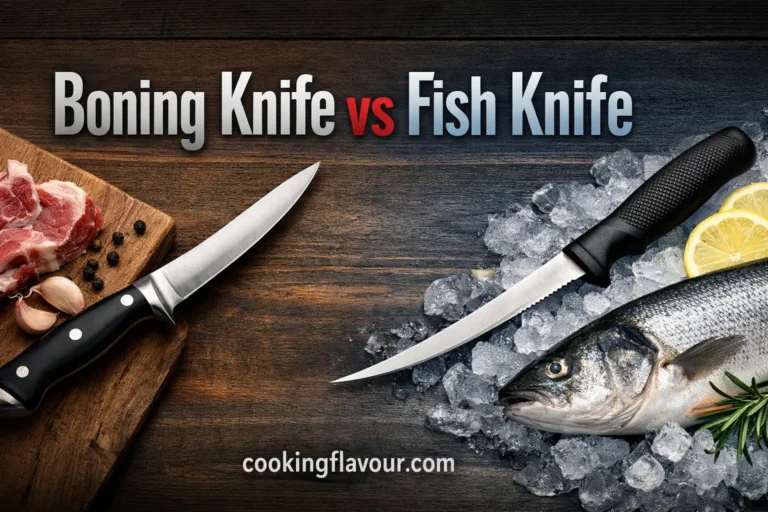
Quick Answer A boning knife is stiffer and built for meat and poultry joints. A fish knife (fillet knife) is…
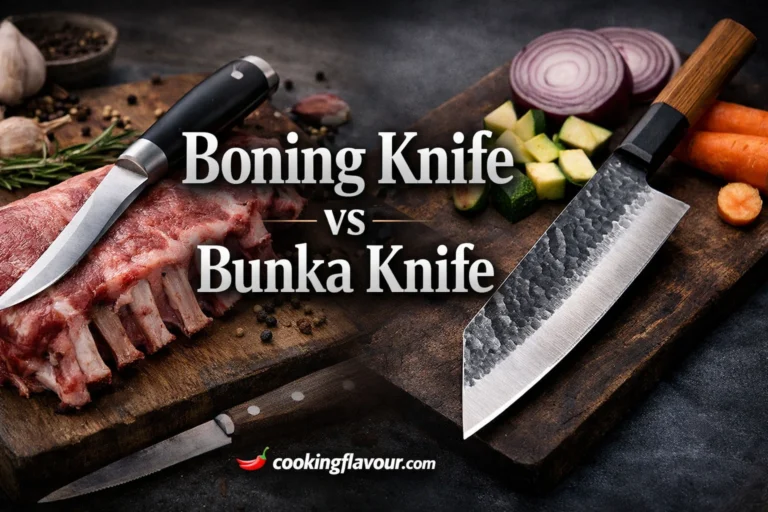
Quick Answer A boning knife has a narrow, pointed blade built to separate meat from bone. A bunka knife has…
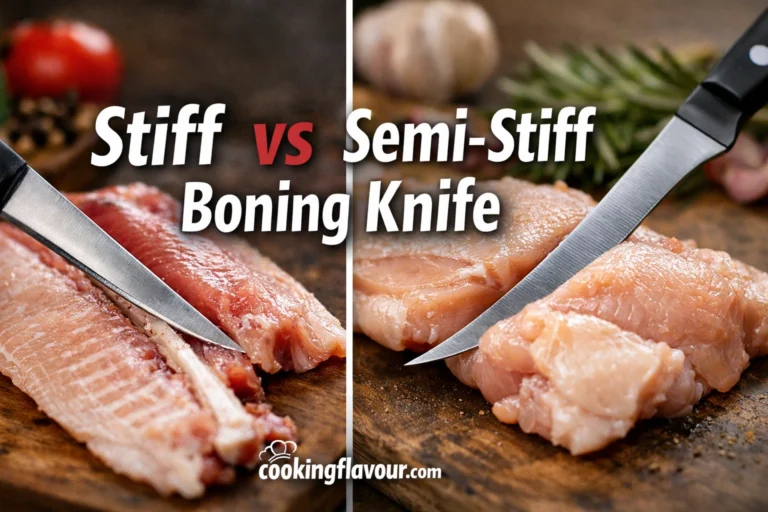
Quick Answer A stiff boning knife pushes through tough beef, pork, and lamb joints with control. A semi-stiff blade bends…
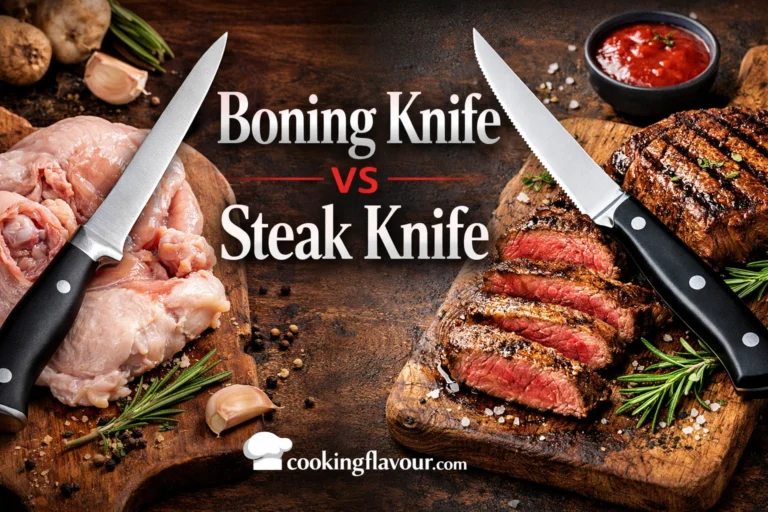
Quick Answer A boning knife has a thin, flexible blade built to separate raw meat from bone. A steak knife…
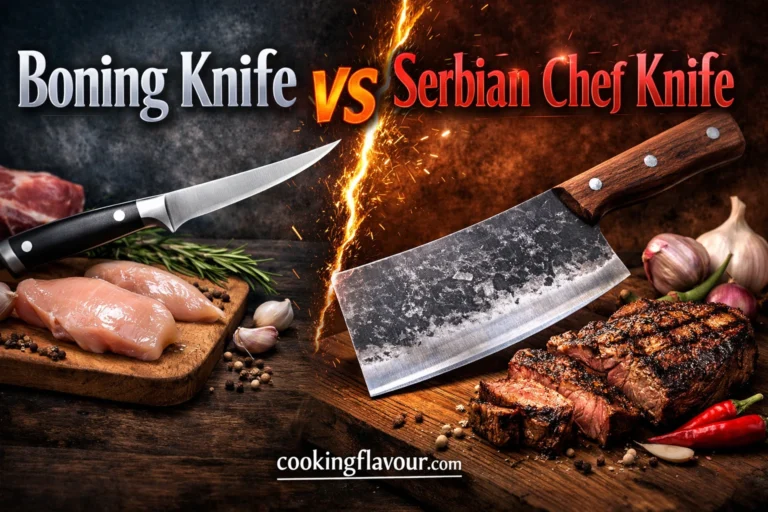
Quick Answer A boning knife is thin and precise, built to separate meat from bone. A Serbian chef knife is…
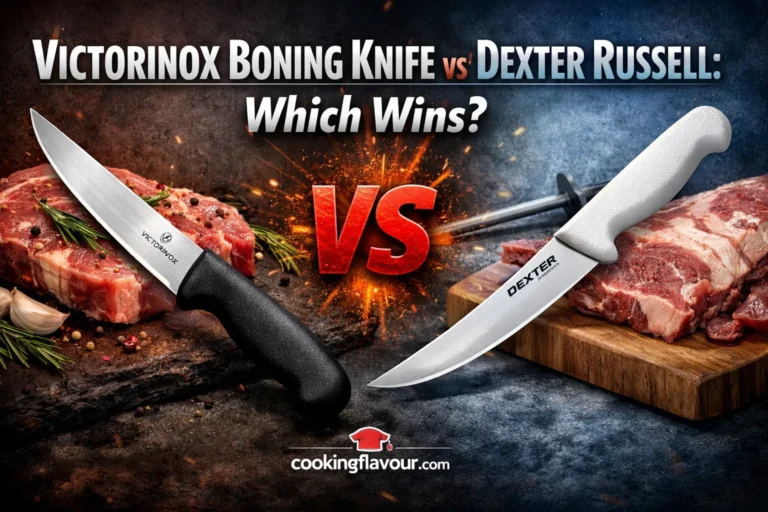
Quick Answer The Victorinox Fibrox boning knife wins for home cooks and light professional use — it’s sharper out of…
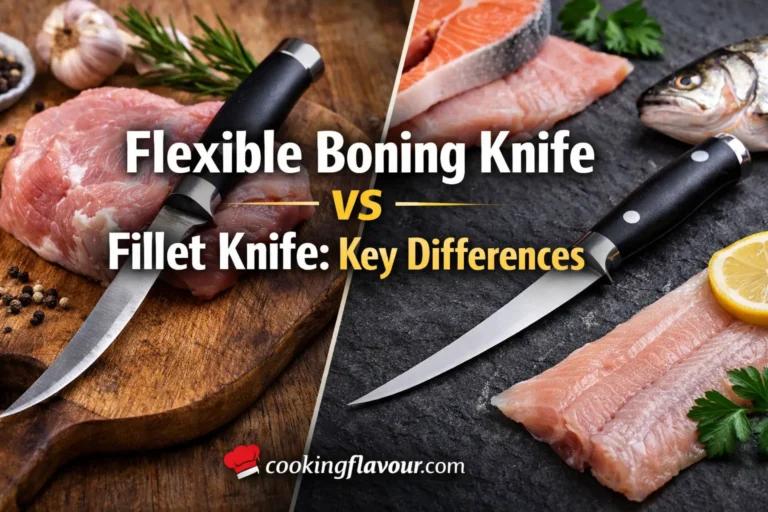
Quick Answer A flexible boning knife is built for meat and poultry — it bends slightly to navigate around bones…
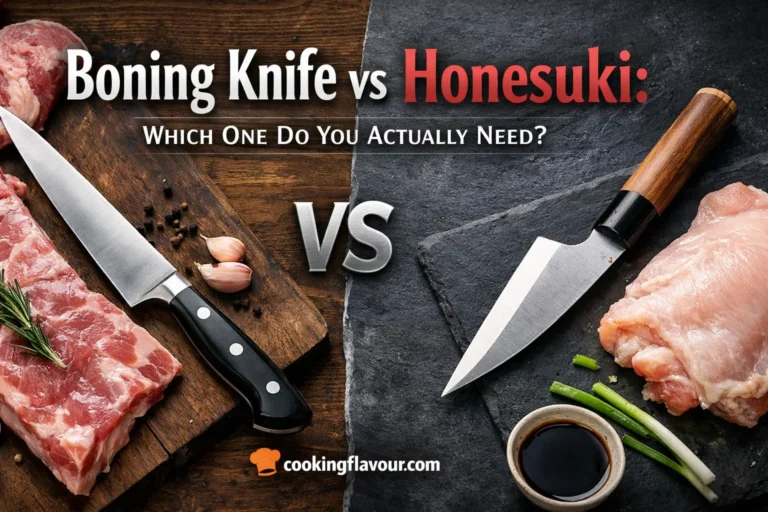
Quick Answer A boning knife is a flexible, curved Western blade designed for beef, pork, and fish. A honesuki is…
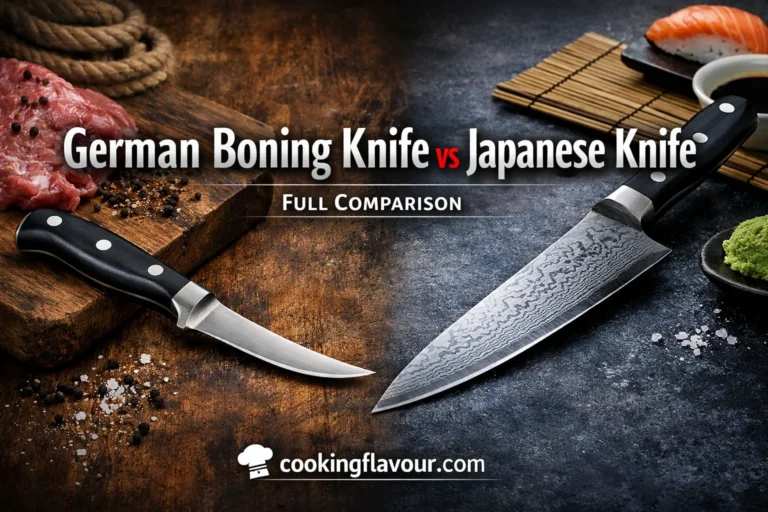
Quick Answer German boning knives use softer, tougher steel that resists chipping near bone. Japanese boning knives use harder steel…
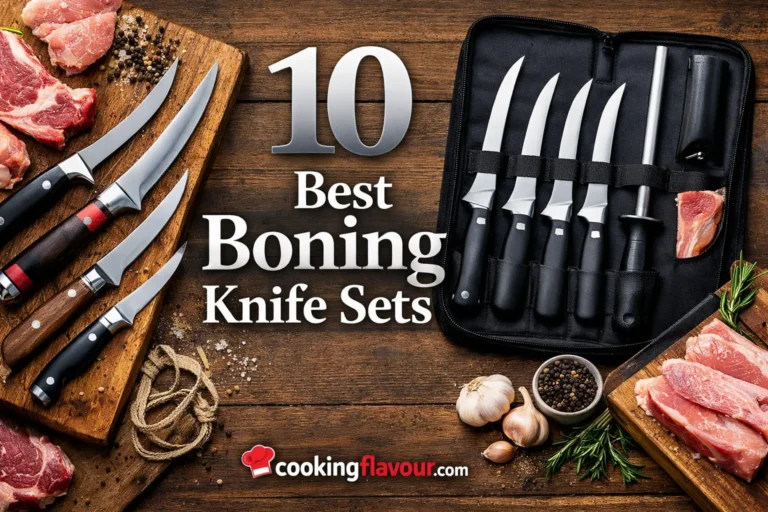
Choosing the right boning knife set can make the difference between a frustrating chore and a genuinely enjoyable kitchen experience. Whether you’re breaking…
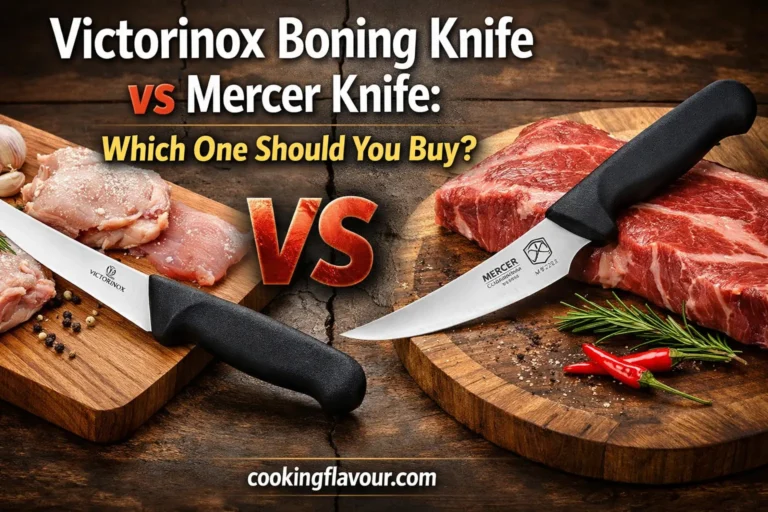
Quick Answer The Victorinox boning knife wins on flex, grip, and price. The Mercer knife wins on stiffness and steel…
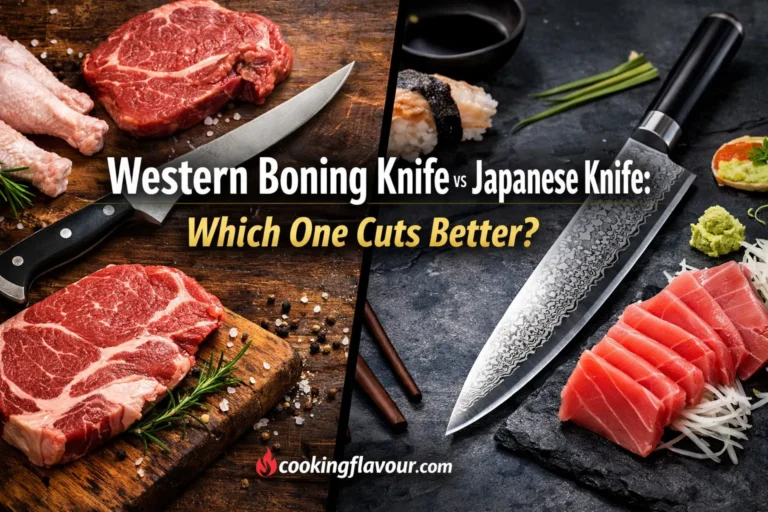
Quick Answer A Western boning knife uses tougher, flexible steel built for speed and daily abuse. A Japanese knife, like…
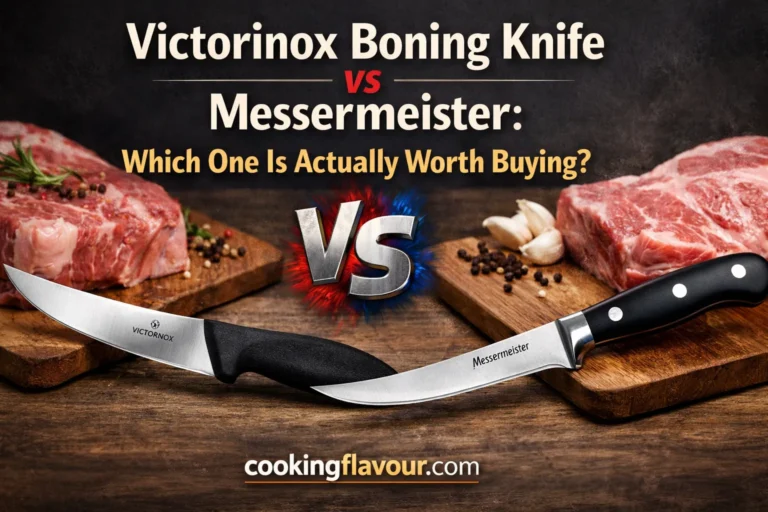
Quick Answer The Victorinox Fibrox boning knife wins on value and is the top pick for home cooks and restaurant…
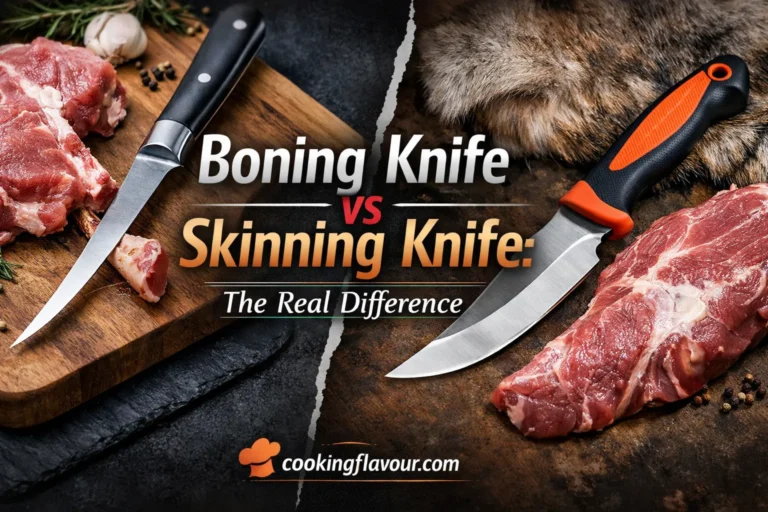
Quick Answer A boning knife has a thin, narrow, flexible blade built to separate meat from bone with precision. A…
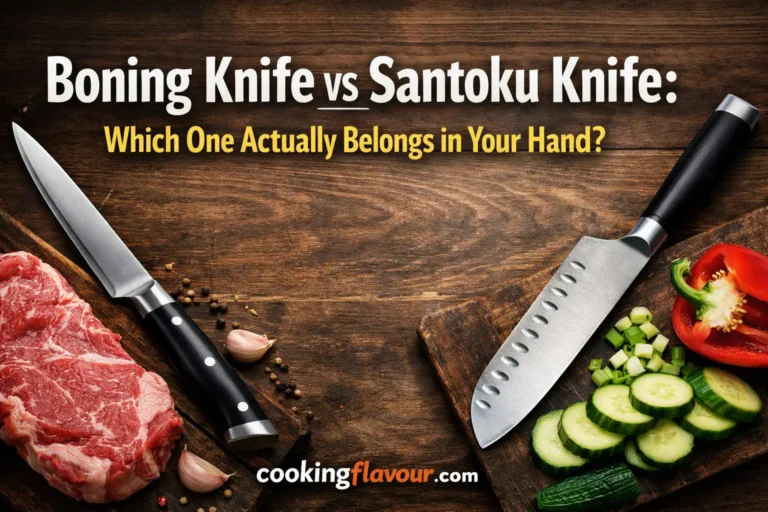
Quick Answer A boning knife is thin, narrow, and often flexible, built to separate meat from bone. A santoku is…
