When Should You Use a Flexible Boning Knife?
⚡ Quick Answer Use a flexible boning knife when working with fish, poultry, or any protein where the blade needs…

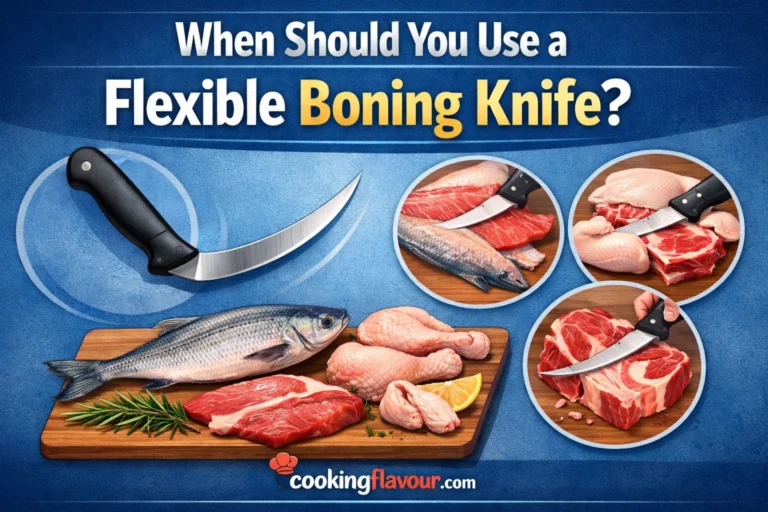
⚡ Quick Answer Use a flexible boning knife when working with fish, poultry, or any protein where the blade needs…
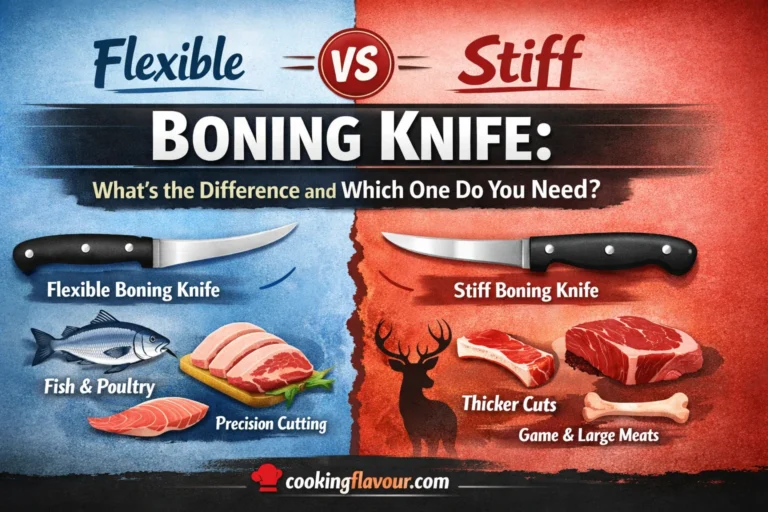
⚡ Quick Answer A flexible boning knife has a thin blade that bends under pressure, making it ideal for poultry,…
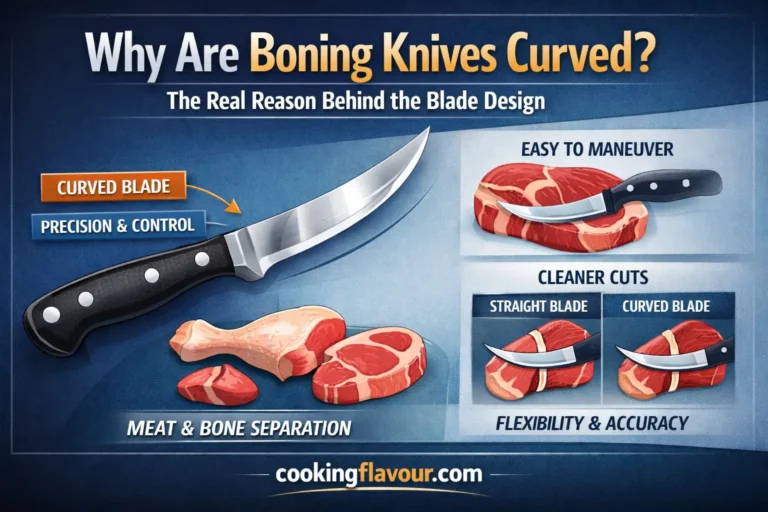
⚡ Quick Answer Boning knives are curved because the arc lets the blade follow the natural contour of bones…
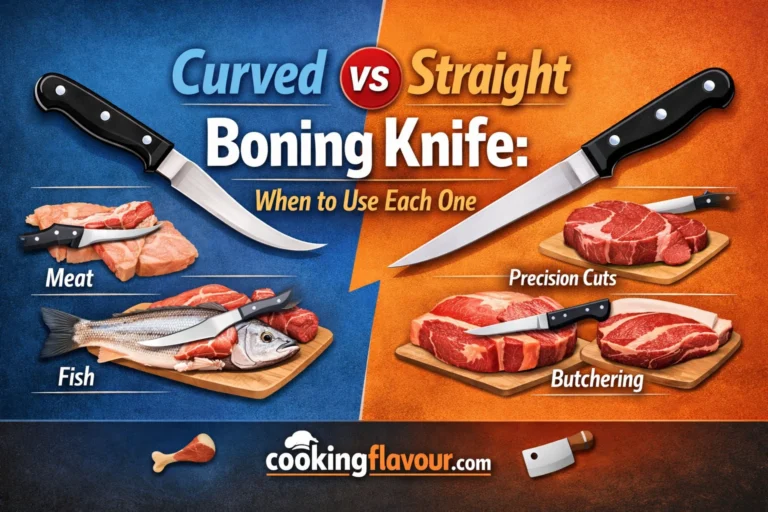
⚡ Quick Answer Use a curved boning knife when working around bones, joints, and cartilage — especially on poultry…
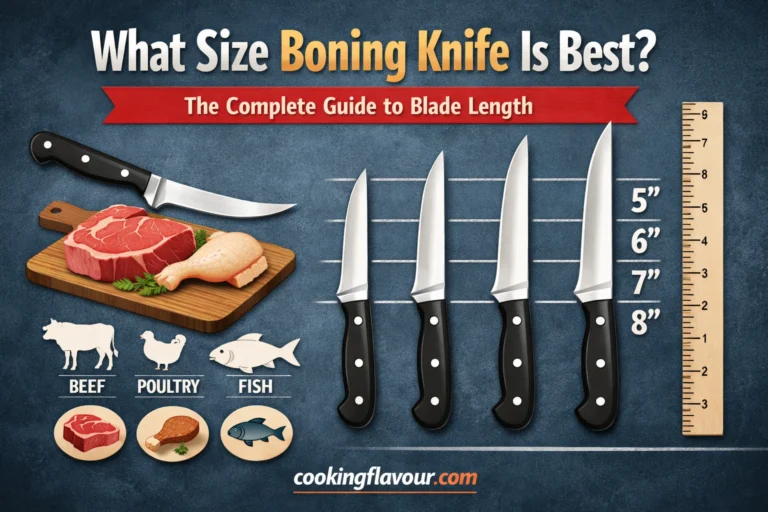
⚡ Quick Answer A 6-inch boning knife is the best all-around size for most cooks. It handles chicken, pork, and…
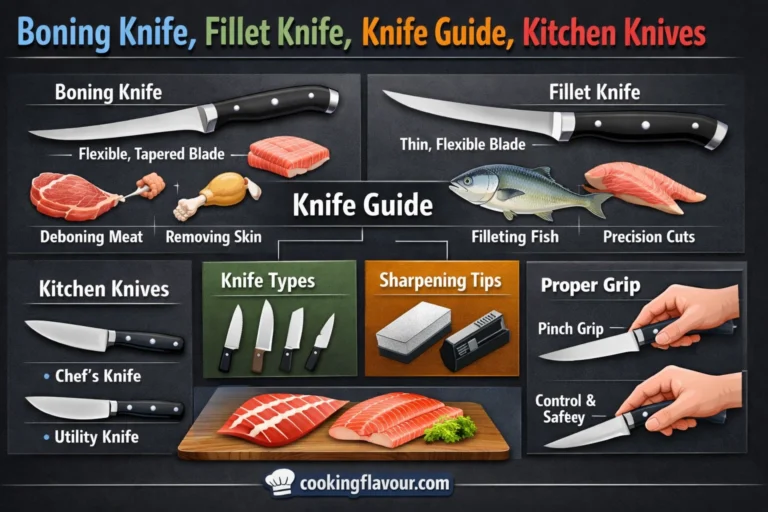
⚡ Quick Answer Yes, you can use a fillet knife as a boning knife in a pinch — but only…
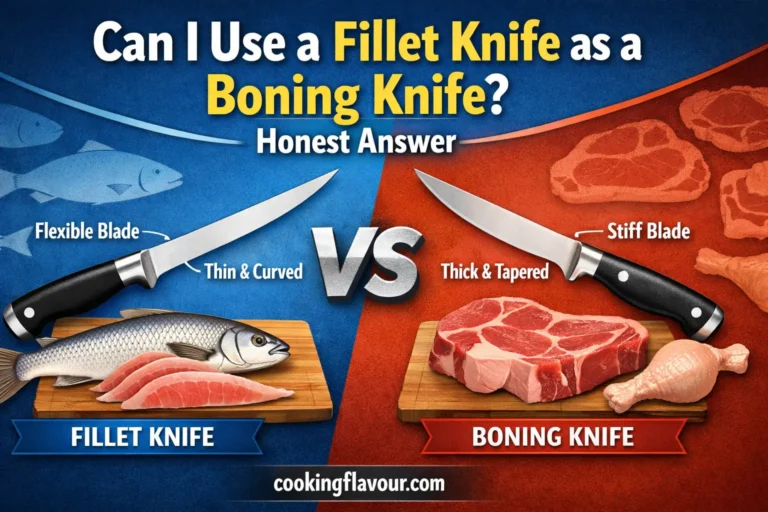
⚡ Quick Answer Yes, you can use a fillet knife as a boning knife in a pinch — but it…
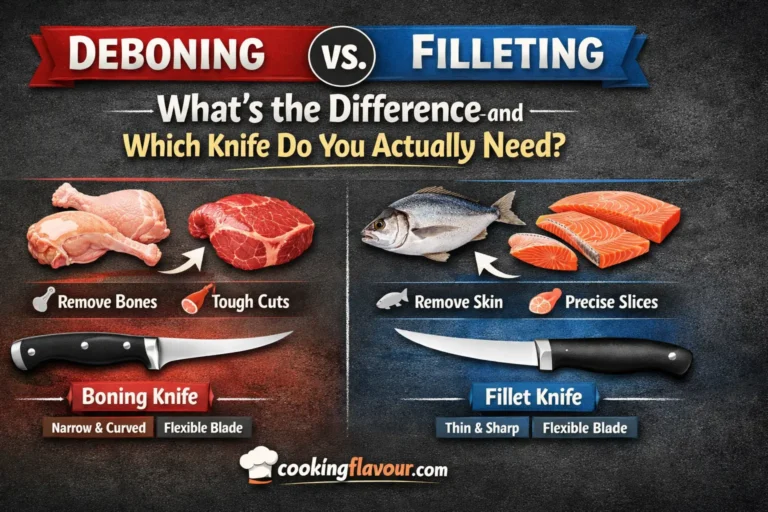
⚡ Quick Answer Deboning means removing bones from meat like chicken or beef — it needs a stiff, precise blade….
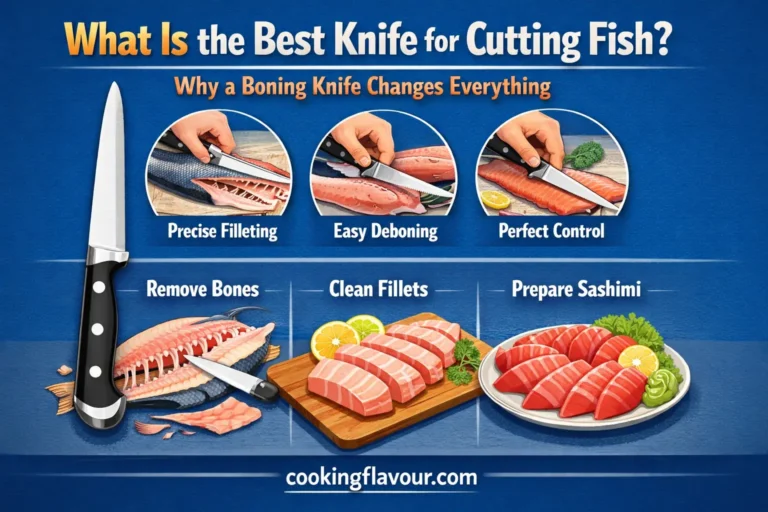
⚡ Quick Answer A flexible boning knife is the best knife for cutting fish. Its thin, narrow blade bends with…
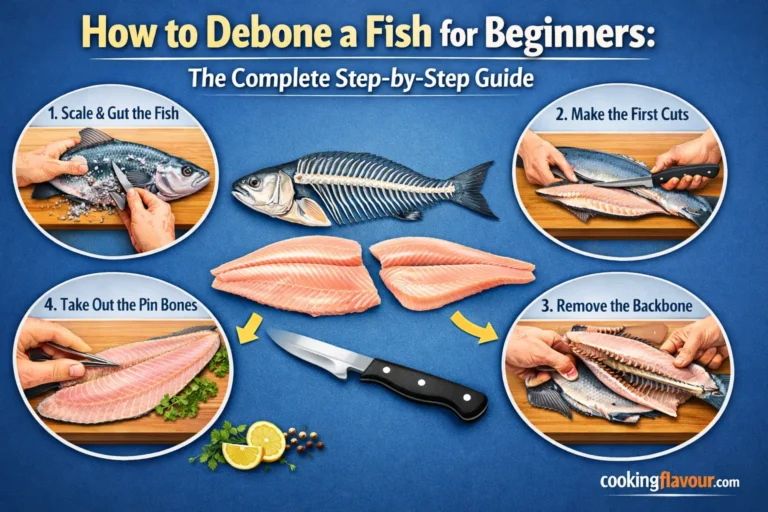
⚡ Quick Answer To debone a fish, rinse and dry it, cut behind the gills down to the spine, then…
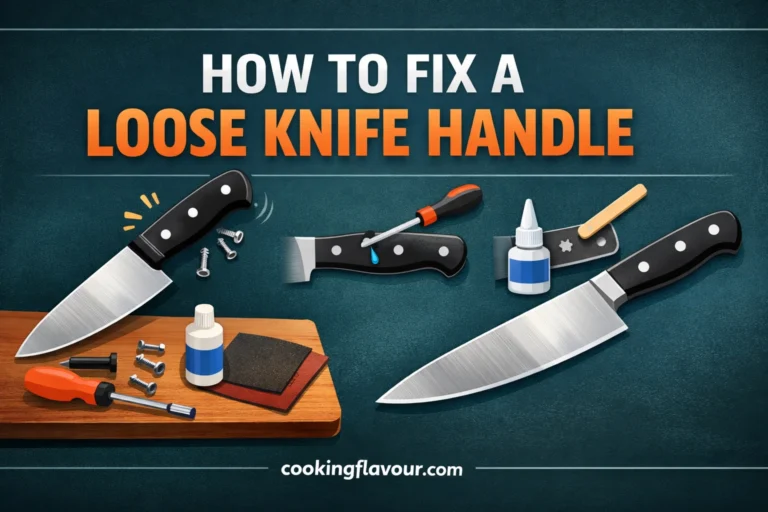
To fix a loose knife handle, first identify how it’s attached — rivets, screws, or glue. Tighten any loose screws….
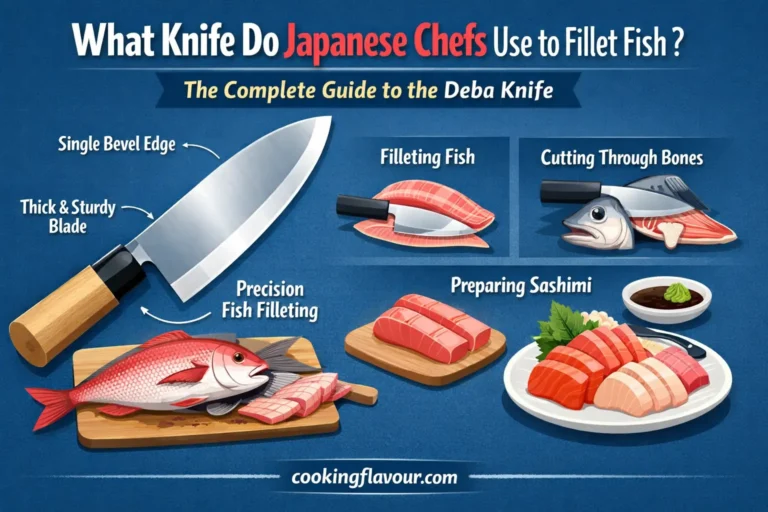
⚡ Quick Answer Japanese chefs use a Deba knife to fillet fish. It has a thick spine, a single-bevel edge,…
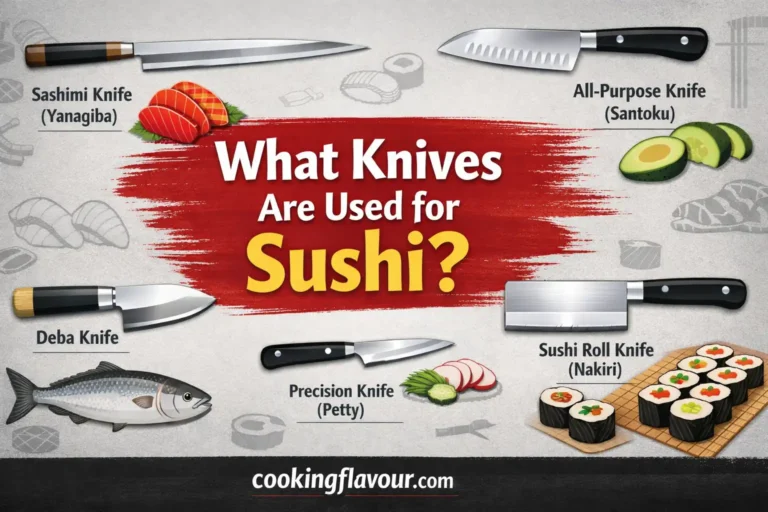
The main knives used for sushi are the yanagiba (for slicing raw fish), the deba (for filleting whole fish), and…
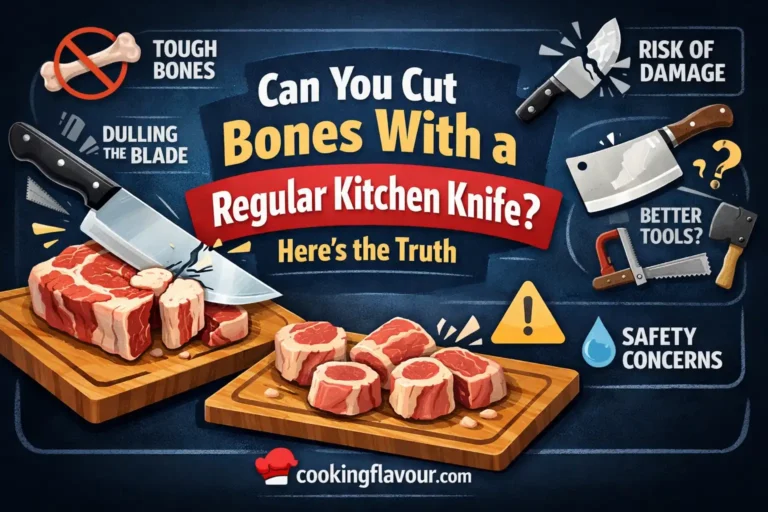
Can you cut bones with a regular kitchen knife? No — and you shouldn’t try. A standard chef’s knife or…
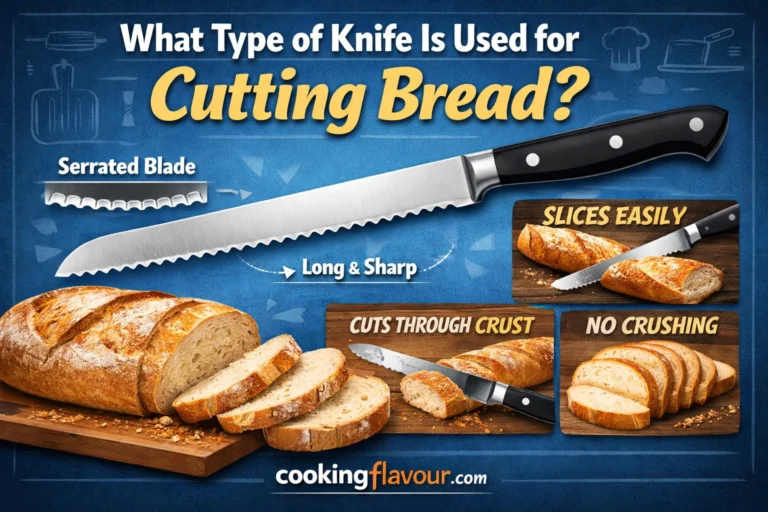
A serrated knife — also called a bread knife — is the right knife for cutting bread. Its saw-like, wavy…
