Fish Fillet Knife vs Boning Knife: Key Differences Explained
A fillet knife has a thin, flexible blade built to glide along fish skin and bones. A boning knife has a stiffer, narrower blade built to separate meat from bone in poultry, beef, and pork. Use a fillet knife for fish. Use a boning knife for everything else with bones.
You grab the wrong knife, and your fish fillet ends up shredded instead of smooth. That’s the moment most home cooks realize these two knives aren’t the same tool.
I’m Michael, and I’ve spent years testing kitchen knives on everything from whole salmon to pork shoulder. The confusion between a boning knife and a fillet knife is one of the most common mistakes I see in home kitchens.
Here’s what that means in plain English: pick the wrong blade, and you’ll waste good meat. Let’s fix that right now.
- Fillet knives are thinner and more flexible than boning knives.
- Boning knives handle bone contact better than fillet knives.
- Blade flexibility matters more than blade length for fish work.
- Some semi-flex boning knives can do light fillet work in a pinch.
- Using the wrong knife wastes meat and increases injury risk.
What Is a Fish Fillet Knife?
 Save
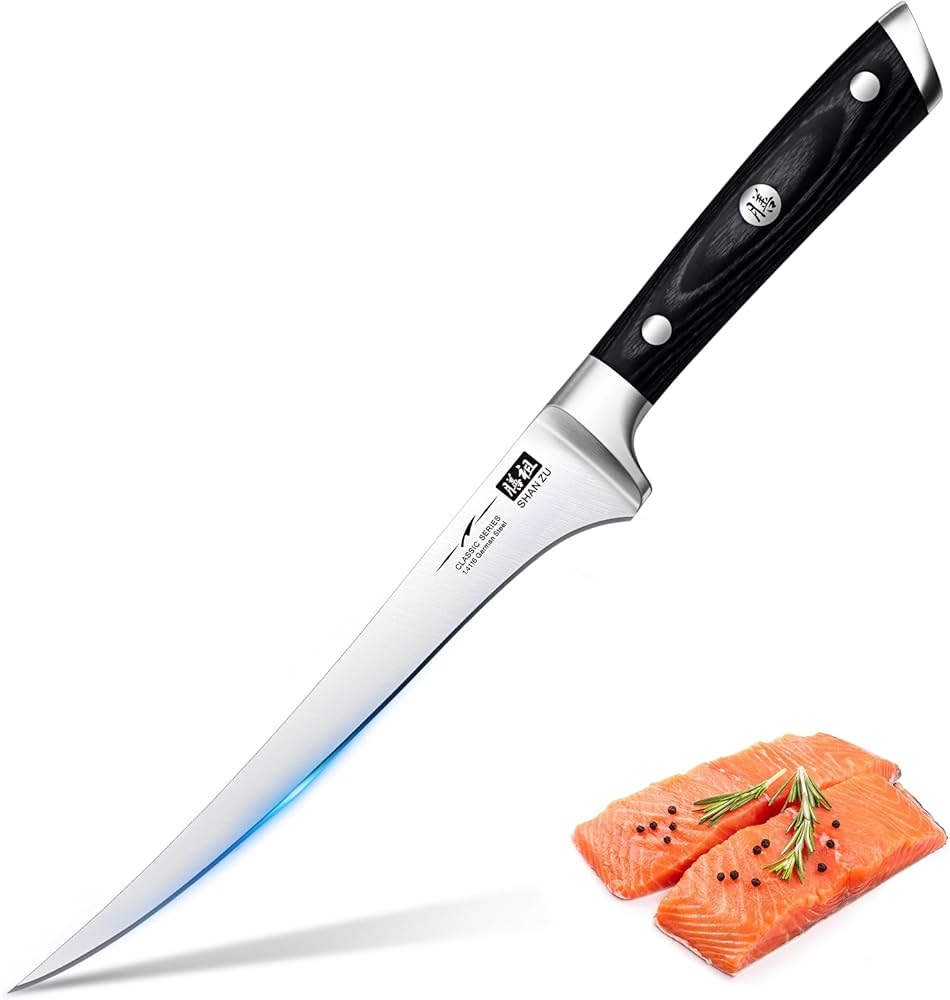
SaveA fish fillet knife is a long, narrow, highly flexible blade designed to separate fish flesh from skin and bone. The blade bends easily, letting it follow the natural curve of a fish’s spine and ribs.
Most fillet knives run 6 to 9 inches long. The thin spine keeps the blade light in your hand, which matters when you’re making dozens of long, gliding cuts.
Blade flex means how much the blade bows when you press it sideways. A high-flex blade curves easily and hugs bone contours.
Anglers and home cooks use fillet knives for trout, bass, salmon, and other whole fish. The flexible tip is what lets you skim meat off the rib cage without wasting flesh.
What Is a Boning Knife?
 Save
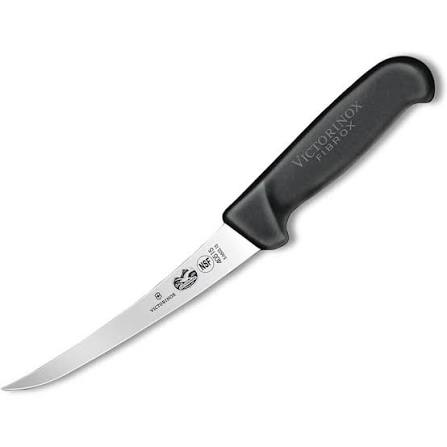
SaveA boning knife has a narrow blade too, but it’s stiffer and often shorter than a fillet knife. It’s built to work around joints and dense bone in chicken, beef, pork, and lamb.
Boning knives typically range from 5 to 6.5 inches. That shorter length gives you more control when you’re working close to a joint or cutting through tendon.
You’ll find three main types: stiff, semi-flex, and flexible. A stiff boning knife pushes through dense meat and tight joints. A flexible boning knife works better on poultry, where the bones are smaller and the meat is more delicate.
Fish Fillet Knife vs Boning Knife: The Core Differences
The biggest difference comes down to flexibility and purpose. A fillet knife bends more and targets fish. A boning knife stays stiffer and targets land-animal meat with bone. This ties directly into the broader difference between deboning and filleting as techniques, since each task calls for its own blade behavior.
| Feature | Fillet Knife | Boning Knife |
|---|---|---|
| Blade Flexibility | High flex | Stiff to semi-flex |
| Typical Length | 6 to 9 inches | 5 to 6.5 inches |
| Best Use | Fish, thin skin, small bones | Poultry, beef, pork, lamb joints |
| Bone Contact | Light, avoids dense bone | Frequent, built for joints |
| Blade Width | Narrow, tapered | Narrow, slightly wider spine |
According to Michigan State University Extension, matching the right knife to the right food keeps prep work both safer and more efficient. That principle applies directly here.
Flex the blade gently against your thumb in the store. If it springs back fast and feels stiff, it’s built for boning, not filleting.
Why Does Blade Flexibility Matter So Much?
Blade flexibility controls how closely the knife follows a curved bone structure. A fish’s rib cage curves sharply, so the blade needs to bend with it.
Bend a stiff boning knife against fish ribs, and it cuts straight through meat you wanted to keep. That’s the single biggest reason fillet knives exist as their own category.
Boning knives skip that flex because dense bone from beef or pork would bend a soft blade out of shape. Stiffness protects the edge when you’re prying meat away from thick joints. For a closer look at how much bend actually helps, check our guide on flexible versus stiff boning knives for fish.
Can You Use a Boning Knife to Fillet Fish?
A semi-flex boning knife can fillet small, thin fish in a pinch, but it won’t match a true fillet knife’s precision. The blade is usually too stiff to hug a fish’s curved spine cleanly.
You’ll notice more wasted meat left on the bone when you swap in a boning knife. The cuts also take more effort, since you’re fighting the blade’s natural stiffness the whole time.
Forcing a stiff boning knife through fish ribs increases slip risk. The blade can jump unexpectedly when it hits unyielding bone.
If fish is only an occasional task for you, a good semi-flex boning knife can cover both jobs reasonably well. If you fillet fish often, a dedicated fillet knife pays for itself in saved meat alone. The reverse question comes up often too — see our full breakdown on whether a fillet knife can replace a boning knife for red meat and poultry work.
Which One Should You Buy First?
Buy based on what you cook most, not what looks more versatile on a shelf. That single question solves most of the confusion.
- List the proteins you prepare most in a typical month.
- If fish appears weekly, prioritize a dedicated fillet knife.
- If poultry or red meat dominates, start with a boning knife.
- If you do both often, plan to own one of each eventually.
Most home cooks who fillet fish only a few times a year do fine with a quality semi-flex boning knife. Anglers who fillet fresh catch regularly should invest in a true fillet knife instead. A
flexible fish fillet knife
handles thin skin and curved bones far better than a general-purpose blade.
What Steel and Handle Features Matter Most?
Steel choice affects edge retention and rust resistance more than it affects the flex-versus-stiff debate. German steel tends to run slightly thicker and tougher. Japanese steel often holds a sharper edge longer but chips more easily against bone.
Handle grip matters just as much as steel when your hands are wet from fish or raw poultry. Look for a textured, non-slip handle on either knife type.
A knife you can’t grip safely is a knife you shouldn’t be using near bone or fish skin, no matter how sharp the edge is.
University of Illinois Extension notes that choosing the correct blade for the task, paired with a stable non-slip cutting surface, reduces the risk of kitchen cuts significantly.
How Do You Keep Either Knife Working Well?
Hone both knife types before each use with a honing rod to keep the edge aligned. Sharpen every few weeks depending on how often you cook.
Hand wash and dry both knives immediately after contact with raw fish or meat. Fish oils and proteins can dull an edge faster than you’d expect if left to sit.
Fillet knives need gentle handling since their thin blades bend under pressure. Boning knives tolerate more force but still dull quickly against dense bone.
According to the U.S. Food and Drug Administration, raw seafood should be handled with clean tools and washed hands to prevent cross-contamination. That guidance applies directly to whichever knife touches your fish first.
What Mistakes Do Beginners Make With These Knives?
Beginners often force a stiff blade through fish bones instead of switching knives. That single habit wastes more meat than any other filleting mistake.
Another common error is using a flexible fillet knife on tough poultry joints. The thin blade can bend, slip, or even snap under that kind of resistance.
Never twist a flexible fillet knife to pry apart a joint. That motion is what snaps thin blades near the bolster.
Here’s the thing: matching blade stiffness to bone density isn’t about brand preference. It’s basic physics, and it’s the fastest way to protect both your fingers and your food. If you’re just starting out, our step-by-step guide on how to debone a fish for beginners walks through the full process slowly.
A well-organized
boning and fillet knife set
solves this problem outright by giving you both blade types in one purchase.
Do Brand and Origin Actually Change the Flex?
Brand origin does shape how a blade feels, even within the same knife category. Victorinox, a Swiss brand known for kitchen and pocket knives, makes both a dedicated fillet knife and a boning knife on nearly identical handles, so the flex difference between the two comes down almost entirely to blade grind.
Wusthof and other German-style brands tend to build boning knives on the stiffer end of the spectrum, matching their thicker overall blade geometry. That stiffness suits the heavier joint work German-style kitchens are known for.
Blade grind means the cross-section shape of the blade, from spine to edge. A thinner grind flexes more than a thick one, even at the same length.
Japanese-style fillet knives, sometimes labeled deba or sujihiki depending on the exact shape, often use harder steel that holds an edge longer but flexes less than a Western-style fillet knife. That trade-off matters if you fillet delicate fish like flounder, where a thinner Western blade can flex more precisely along the spine.
Neither origin is objectively better for every cook. Your hand size, cutting style, and the fish or meat you prepare most often should guide the choice more than brand reputation alone.
Fillet Knife vs Boning Knife: A Real Kitchen Test
I ran both knives side by side on a whole trout and a bone-in chicken thigh. The fillet knife glided through the trout’s ribs with barely any resistance, leaving almost no meat behind on the carcass.
The boning knife struggled on the same trout, catching on the ribs twice and tearing the flesh. On the chicken thigh, the result flipped completely. The boning knife separated the joint cleanly, while the fillet knife’s blade flexed too much to apply steady pressure.
That single test confirms what the specs suggest: blade flex isn’t a preference, it’s a functional requirement tied to the bone structure you’re working against.
Your Next Step
Pick your knife based on what’s in your fridge more often, fish or bone-in meat. A dedicated fillet knife saves fish meat that a boning knife would waste, and a boning knife handles poultry joints a fillet knife can’t manage safely.
Start with one quality knife that matches your most common task, then add the second when your cooking habits call for it. That’s exactly how I built out my own kitchen drawer, and it’s saved me from ruined meat more times than I can count.
If you’re ready to add the right blade to your kitchen, a dedicated fish fillet knife with a flexible, tapered blade makes fresh-caught fish far easier to prep cleanly.
Frequently Asked Questions
Is a fillet knife the same as a boning knife?
No, they’re built for different jobs. A fillet knife has a thinner, more flexible blade for fish, while a boning knife is stiffer and made for poultry, beef, and pork.
Can I use a fillet knife on chicken?
You can, but it’s not ideal for cutting through joints or cartilage. The thin blade may flex or slip when it meets denser resistance than fish provides.
What length fillet knife is best for beginners?
A 6-inch fillet knife works well for most home cooks handling small to medium fish. Longer blades, around 7 to 9 inches, suit larger fish like salmon.
Do I need both a boning knife and a fillet knife?
If you regularly prepare both fish and bone-in meat, owning both is worth it. Each blade performs noticeably better on its intended food than a shared, compromise blade.
Why does my fillet knife bend so easily?
That flex is intentional, not a defect. It lets the blade follow a fish’s curved spine and rib cage for cleaner, more complete cuts.
Written by Michael, a home cooking enthusiast who has spent years testing kitchen knives across fish, poultry, and red meat prep.