10 Best Boning Knife ATK: Top Picks for Precision Cutting
A boning knife helps us separate meat from bones, trim fat, and remove skin with control. Its narrow, sharp blade can reach tight spaces that a chef’s knife may miss. For cooks who prepare poultry, fish, or large cuts of meat, the right boning knife can make trimming faster and reduce waste.
When choosing a boning knife, we pay close attention to blade shape, flexibility, sharpness, handle comfort, and ease of cleaning. A stiff blade suits larger cuts and joints, while a flexible blade works well for fish and delicate trimming. The best boning knife should match the foods you prepare most and feel secure in your hand. We tested and researched boning knives to find the options that offer the best balance of control, durability, and value.
Best Boning Knives
We reviewed boning knives for blade flexibility, sharpness, handle comfort, and overall control. Below, we list our top picks for trimming meat, poultry, and fish.
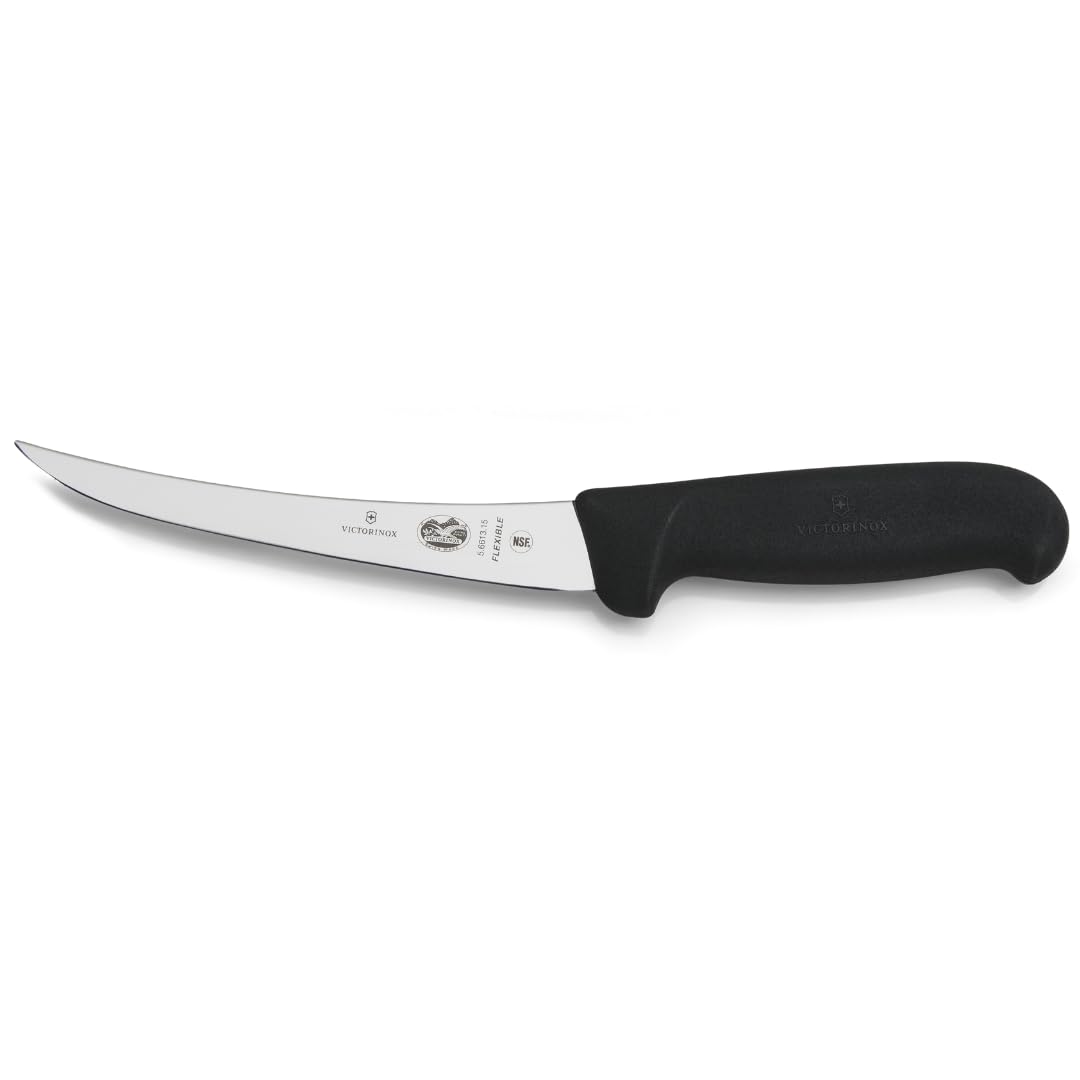
Victorinox Fibrox Pro Boning Knife
 Save
SaveWe recommend this knife for cooks who want a sharp, flexible blade that makes trimming meat and fish easier.
Key Pros
- Flexible curved blade gives us good control around joints and bones
- Textured handle stays secure with wet or greasy hands
- Lightweight design reduces hand and wrist strain
Key Cons
- No storage sheath comes with the knife
- Flexible blade may feel less suitable for heavy cutting
- Dishwasher cleaning can dull the edge over time
When we used this knife on chicken, the curved blade followed the bones smoothly and helped remove meat with little waste. Its narrow shape also worked well for fish and other delicate cuts.
The Fibrox handle felt comfortable during longer prep sessions. Its textured surface gave us a steady grip, even when our hands were damp or greasy, while the low weight made the knife easy to guide.
The blade arrived very sharp and held its edge through repeated trimming. We still recommend hand-washing and regular sharpening to protect its performance. A sheath or blade guard would also make storage safer.
This Victorinox offers strong value for home cooks who want a dependable boning knife without a heavy handle or stiff blade.
Mercer Culinary Ultimate White 6-Inch Curved Boning Knife
 Save
SaveWe recommend this knife for buyers who want an affordable, sharp tool for trimming meat, separating poultry, and working around bones.
Key Pros
- Curved blade gives us a useful angle near bones
- Sharp edge handles trimming and deboning smoothly
- Textured handle feels secure during wet work
Key Cons
- White handle can show stains from spices and meat juices
- Six-inch blade may feel long for smaller tasks
- Hand washing takes more care than dishwasher cleaning
The blade felt light and responsive when we trimmed fat and sinew. Its curve helped us follow the shape of chicken joints and brisket bones without forcing the knife into awkward positions.
We also liked the handle during longer cutting sessions. The textured grip stayed steady with damp hands, though the white polypropylene surface picked up color from seasoning and food residue.
This knife arrived sharp and held its edge well through routine prep. We would still wash and dry it by hand after each use, since dishwasher heat and moisture can shorten its useful life.
The six-inch length offers good reach, but cooks who prefer tight control may want a shorter boning knife. Overall, the Mercer Culinary model gives us strong cutting performance at a reasonable price.
Victorinox Fibrox Pro Boning Knife
 Save
SaveWe recommend this knife for cooks who want a sharp, lightweight tool for trimming meat, poultry, and game.
Key Pros
- Curved blade follows bones with good control
- Fibrox handle stays secure in wet hands
- Sharp edge is easy to maintain
Key Cons
- Thin blade may dull during heavy fish processing
- Dishwasher cleaning can reduce long-term sharpness
- Narrow design suits trimming more than general chopping
We found the six-inch curved blade easy to guide around joints and through tough connective tissue. Its light weight helped us work through larger cuts without much hand strain.
The handle gave us a steady grip, even when our hands became wet or greasy. The blade arrived sharp and handled silver skin and small areas of fat with little pressure.
We would choose this knife for regular home butchering, poultry preparation, and game processing. It is less suited to cutting through hard bones or handling heavy tasks that need a thicker blade.
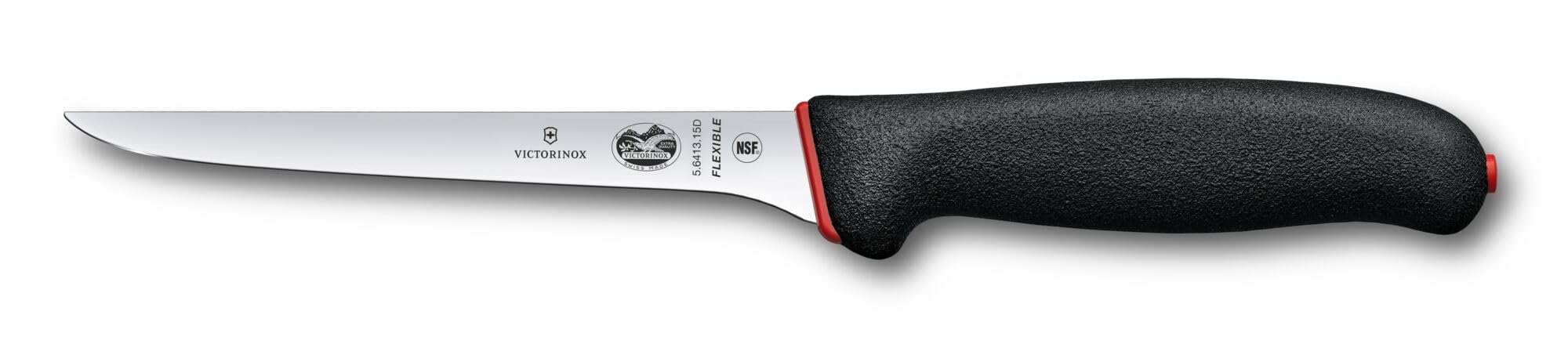
Victorinox Fibrox 6-Inch Boning Knife
 Save
SaveWe recommend this knife for home cooks and hunters who want a sharp, easy-to-control blade for trimming meat, poultry, and fish.
Key Pros
- Secure, comfortable grip
- Sharp blade with good control
- Easy to sharpen and handle
Key Cons
- The edge may need regular touch-ups
- Hand washing works best
- The handle does not show how far the blade extends inside
We found the narrow, curved blade easy to guide around bones and joints. Its 6-inch length gave us enough reach for larger cuts without feeling awkward on smaller pieces.
The Fibrox handle stayed secure when our hands were wet or greasy. Its light weight also reduced hand strain during longer trimming sessions, while the straight edge handled clean cuts through meat and connective tissue.
The knife arrived very sharp and sharpened easily after use. We would wash it by hand and dry it promptly to help maintain the edge. For the price, this Swiss-made knife offers reliable performance for regular kitchen or butchering work.
HOSHANHO 7-Inch Fillet Knife
 Save
SaveWe recommend this knife for home cooks who want a sharp, lightweight tool for filleting fish and trimming meat.
Key Pros
- Sharp edge made clean cuts during testing
- Slim, flexible blade offered good control
- Pakkawood handle felt comfortable and secure
Key Cons
- The handle may need careful hand washing
- The blade felt less rigid than a standard boning knife
- The 7-inch length may feel short for large fish
We found the blade easy to guide around bones and through soft flesh. Its narrow shape helped us remove skin and trim meat without wasting much food. The edge arrived sharp and handled fish and meat with little pressure.
The handle gave us a steady grip during longer prep sessions. The knife also felt light and balanced, which made detailed work less tiring.
This model works best for fish, poultry, and smaller cuts of meat. We would wash and dry it by hand after use, since moisture can affect the wood handle over time.
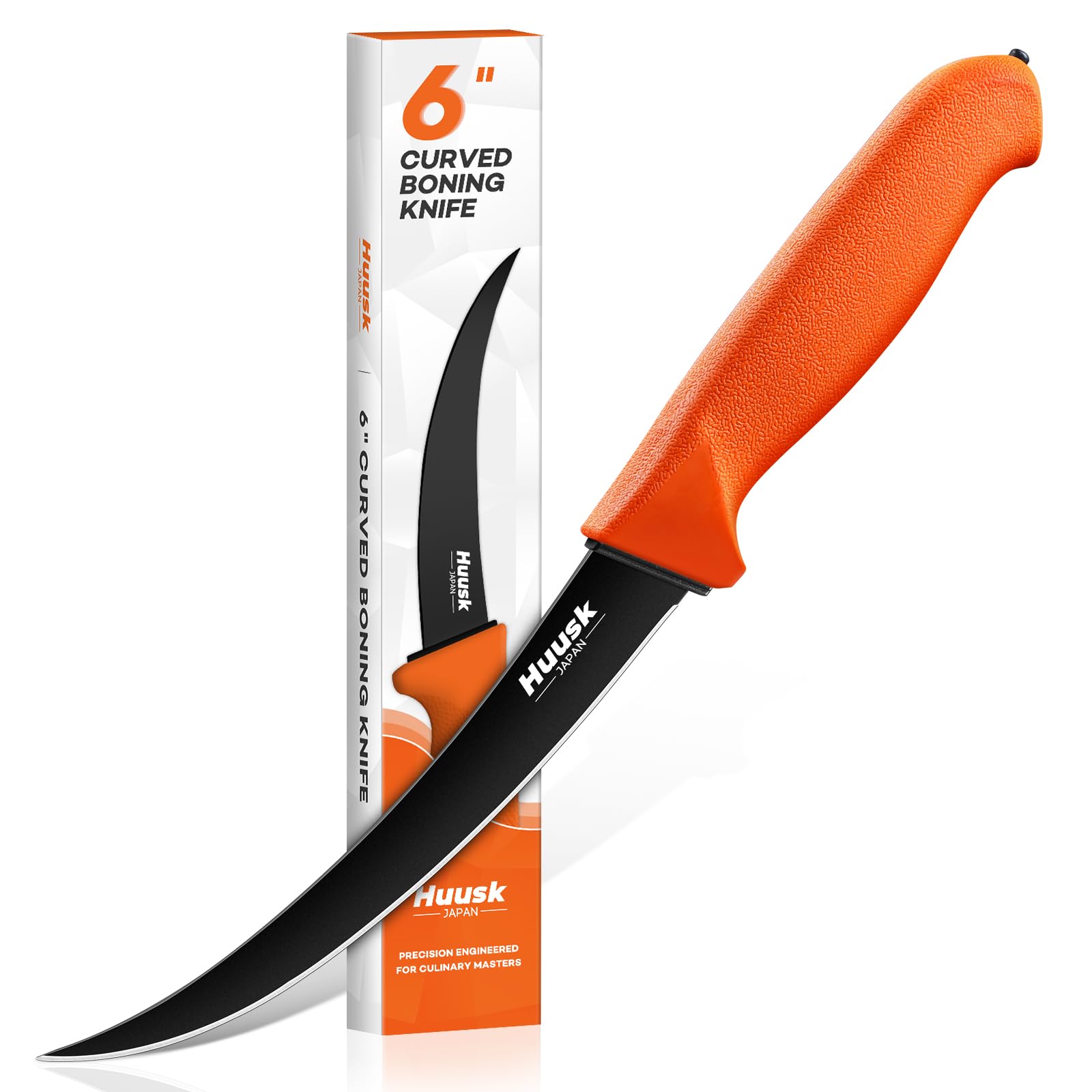
Huusk Curved Boning Knife
 Save
SaveWe recommend this knife for trimming meat, removing silver skin, and deboning smaller cuts with good control.
Key Pros
- Sharp curved blade makes trimming easier
- Bright handle stands out in a busy kitchen
- Textured grip feels secure with wet hands
Key Cons
- No protective cover comes with the knife
- Curved shape may take time to master
- Plastic handle feels less premium than metal
We found the blade very sharp out of the package. Its curved shape worked well when we followed the contours of meat and removed connective tissue without taking too much usable meat.
The orange handle made the knife easy to find, while the textured surface helped us keep a steady grip during slippery tasks. Its 6.5-inch blade gave us enough reach for common kitchen and game-processing work without feeling unwieldy.
The main drawback is the lack of a blade cover for storage. We also needed a short adjustment period because the pronounced curve handles differently from a straight boning knife. Overall, its strong customer rating and practical design make it a useful choice for home cooks and hunters.
Victorinox Wood 6-Inch Boning Knife
 Save
SaveWe recommend this knife for precise trimming and deboning because its curved, semi-stiff blade feels controlled in hand and cuts cleanly around meat and bone.
Key Pros
- Very sharp for trimming sinew, fat, and poultry
- Curved blade provides good control in tight areas
- Wooden handle feels comfortable and balanced
Key Cons
- Wooden handle needs careful hand washing and drying
- Blade is too light for cutting through bones
- Narrow design may feel limited for larger cuts
During use, we found the 6-inch blade easy to guide around joints and connective tissue. Its narrow shape helped us make clean cuts without removing too much meat.
The semi-stiff blade offered enough support for trimming larger pieces while still handling delicate work. We would not use it to split bones, but it performed well when separating meat from them.
The wooden handle gave the knife a warm, secure feel and balanced the light blade nicely. We would wash it by hand, dry it right away, and store it safely to protect the handle and edge.
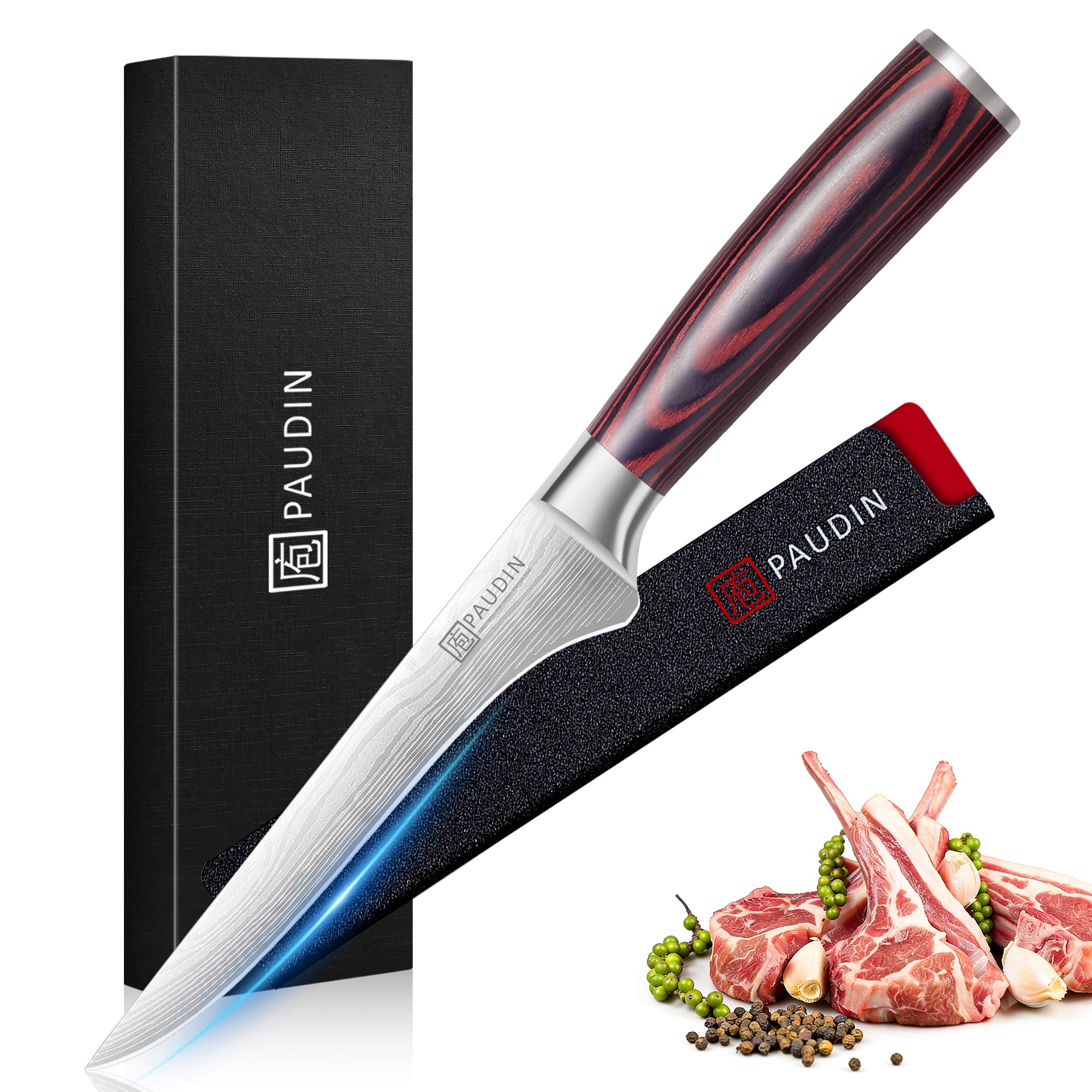
PAUDIN 6-Inch Boning Knife
 Save
SaveWe recommend this knife for home cooks who want a well-balanced boning tool with a comfortable handle and a sharp, narrow blade.
Key Pros
- Comfortable pakkawood handle offers a secure grip.
- Balanced design makes trimming and deboning easier.
- Useful for meat, poultry, fish, and jerky preparation.
Key Cons
- Blade sharpness may vary between individual knives.
- The flexible blade may feel too light for heavy cutting.
- It needs careful cleaning and drying to prevent wear.
We found the 6.1-inch blade easy to control around joints, skin, and connective tissue. Its narrow shape helped us make clean trimming cuts without removing too much meat.
The handle felt comfortable during longer prep sessions, and the balance between the handle and blade supported steady movements. The knife also worked well for slicing meat into smaller portions.
Some users report excellent sharpness, while others found the edge less impressive than expected. We would check the blade before use and plan to hone it regularly to maintain smooth cutting.
The patterned blade gives the knife a distinctive look, but it is stainless steel rather than true Damascus steel. For the price, this PAUDIN offers useful performance for everyday home cooking, though professional users may prefer a more specialized knife.
Winco 6-Inch Red Boning Knife
 Save
SaveWe recommend this knife for home cooks and hunters who want a light, sharp tool for trimming meat, poultry, and fish.
Key Pros
- Sharp blade handles trimming and deboning well
- Textured handle gives us a secure grip
- Light, low-cost design suits regular kitchen use
Key Cons
- Edge may need frequent touch-ups with heavy use
- Sharpening can take some effort
- Plastic handle feels less refined than premium options
The 6-inch blade gave us good control around joints and tight areas. Its slight curve worked especially well when we trimmed fat from brisket and separated meat from bones.
We also liked the red handle because it was easy to spot on a busy work surface. The finger grooves and textured finish helped us keep a firm grip, even during longer prep sessions.
This knife feels light and simple rather than heavy or highly refined. It held its edge well during moderate use, though frequent meat processing may require regular sharpening. For home kitchens, occasional hunters, and cooks on a budget, the Winco 6-Inch Red Boning Knife offers useful performance at a reasonable price.
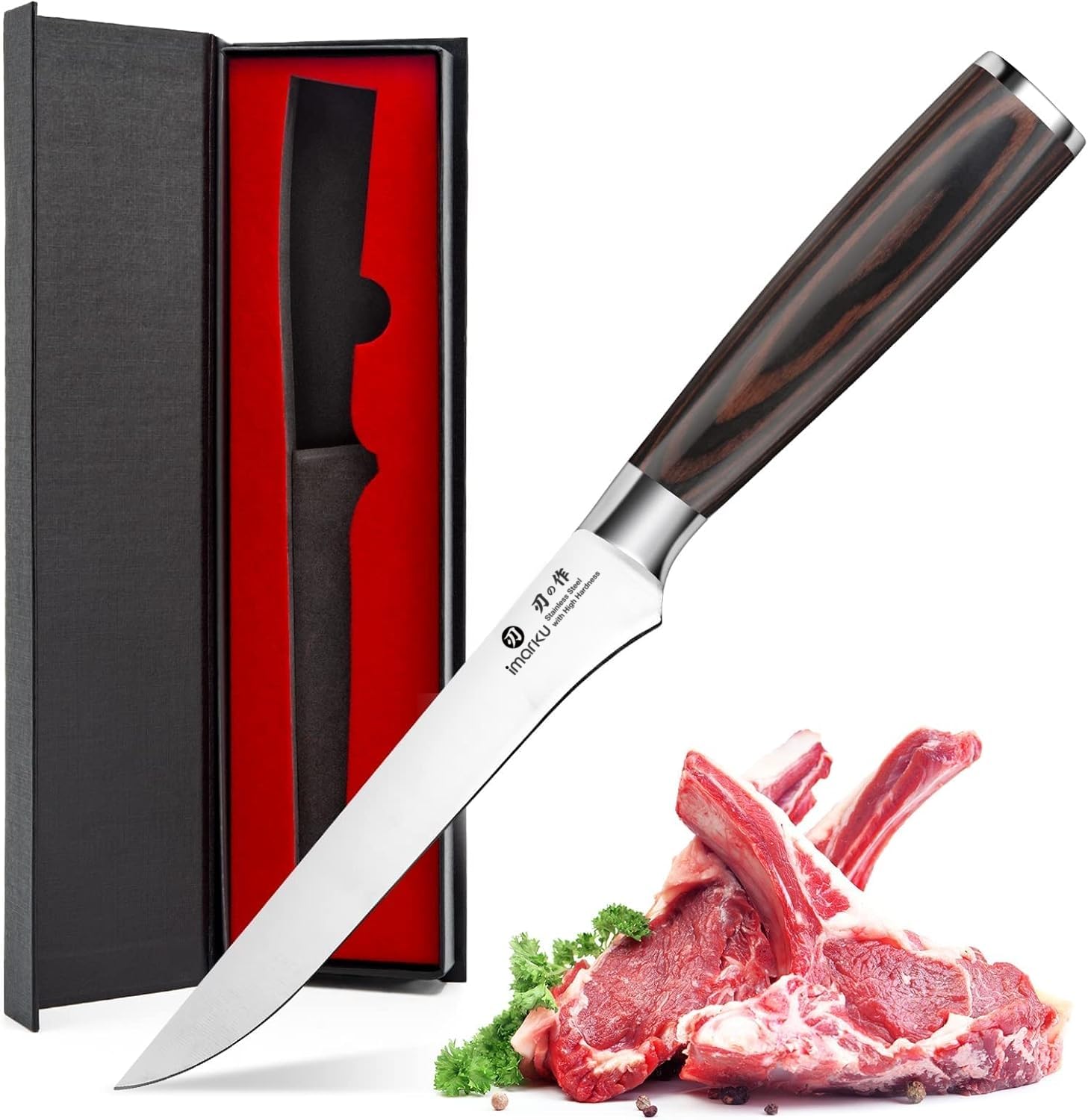
imarku Fillet Knife
 Save
SaveWe recommend this knife for buyers who want a sharp, balanced blade for trimming meat, filleting fish, and other detailed kitchen work.
Key Pros
- Sharp blade supports clean, controlled cuts
- Comfortable handle offers a secure grip
- Light feel reduces hand strain during prep
Key Cons
- Hand washing takes extra care
- The narrow blade needs careful handling
- It may require regular honing for best results
We found the 6-inch blade easy to guide around bones and through smaller cuts of meat. Its balance gave us good control without making the knife feel heavy, while the narrow shape helped with trimming and filleting.
The Pakkawood handle felt comfortable and stayed steady in our hand. The knife arrived well protected in its gift box, which also makes it suitable for gifting.
We would wash it by hand and dry it immediately to protect the edge and handle. Buyers who want a low-maintenance dishwasher-safe knife should choose another model, but this imarku offers strong performance for its price.
Buying Guide
We should choose a boning knife based on the cuts we make most often. A flexible blade suits poultry and fish, while a stiffer blade gives us better control when working around joints and dense meat.
| Feature | What to look for |
|---|---|
| Blade length | Choose a length that gives us control without feeling awkward. |
| Flexibility | Select flexible steel for close trimming or stiff steel for firm cuts. |
| Blade shape | A narrow, curved blade helps us follow bones and remove meat cleanly. |
| Handle | Look for a comfortable, secure grip that stays stable when wet. |
| Steel | Consider corrosion resistance, edge retention, and ease of sharpening. |
| Construction | A full-tang design can provide better balance and strength. |
We should inspect the knife’s balance before buying. The blade should feel controlled rather than heavy, and the handle should allow a firm grip without forcing our hand into an awkward position.
Safety features also matter. We should look for a finger guard, a textured handle, and a sheath or other safe storage option. A knife that is easy to clean helps us maintain good kitchen hygiene.
We should also check care requirements. Some knives need hand washing and regular sharpening, while others may resist rust more effectively. Choosing a knife that matches our cleaning and maintenance habits makes regular use easier.
Editor’s Choice
We chose the Victorinox Fibrox Pro 6-Inch Boning Knife as our editor’s pick. Its narrow, curved blade gives us good control when trimming meat, removing silver skin, and working around bones.
The flexible blade follows natural curves without requiring much force. Its Fibrox handle offers a secure grip, even when our hands become wet or greasy.
| Feature | Details |
|---|---|
| Blade length | 6 inches |
| Blade style | Curved and flexible |
| Handle | Textured Fibrox |
| Best for | Meat trimming and general kitchen use |
We also value its practical design. The stainless steel blade resists rust and sharpens easily with standard kitchen tools. Its moderate length works well for both small cuts and larger portions.
This knife may not suit users who prefer a stiff blade for heavy-duty cutting. For most home cooks, however, we find its balance of control, comfort, and price makes it a strong choice.
Conclusion
We should choose a boning knife based on the cuts we prepare most often. A flexible blade suits fish and poultry, while a stiff blade offers better control when working around joints and dense meat.
Comfort matters as much as blade design. We should look for a secure handle, balanced weight, and a sharp edge that stays easy to maintain. A protective sheath also helps with safe storage.
| Feature | Best use |
|---|---|
| Flexible blade | Fish and poultry |
| Stiff blade | Beef and game |
| Narrow blade | Precise trimming |
| Textured handle | Secure grip |
The best boning knife for our kitchen combines the right blade stiffness, comfortable handling, and dependable edge retention. We can then work more accurately, reduce waste, and prepare meat with better control.
FAQs
What is the best boning knife?
We look for a sharp, narrow blade that bends slightly and feels secure in the hand. The best choice depends on the cuts we prepare and whether we prefer a flexible or stiff blade.
Should we choose a flexible or stiff boning knife?
A flexible blade helps us follow curves around joints and bones. A stiff blade gives us more control when cutting through firm meat or working with larger cuts.
What blade length works best?
Most cooks find a blade between 5 and 7 inches useful. A shorter blade offers precise control, while a longer blade covers more surface area.
What handle features matter?
We should choose a handle that feels balanced and remains secure when wet. Textured synthetic handles often provide reliable grip and require less care than wood.
Can we use a boning knife for other tasks?
We can use it to trim fat, remove skin, and separate meat from bones. We should not use it for chopping bones or cutting frozen food, since those tasks can damage the edge.
How should we maintain the knife?
We recommend hand-washing and drying the knife after each use. Regular honing helps maintain the edge, while professional or careful manual sharpening restores a dull blade.